Top 10 Bicycle Packaging Manufacturer & Suppliers

Global Guide: Structurally Engineered, High-Strength Corrugated & Sustainable B2B Packaging Solutions

18,000㎡
Modern Production Plant
200+
Skilled Technical Personnel
100%
FSC & ISO Compliant Materials
BC-Flute
Heavy-Duty Compression Standard

Why Specialized Bicycle Packaging Matters: Engineering for Heavy and Sensitive Freight

The global shipping landscape for bicycles and electric bikes (E-bikes) presents a unique set of engineering challenges. Unlike general consumer goods, a bicycle is a heavy, metallic, and highly asymmetric product. It features sensitive components like derailleurs, hydraulic disc brakes, carbon fiber frames, and delicate lithium-ion batteries that are highly vulnerable to impact, vibration, and structural load during transoceanic shipping.

Traditional single-walled boxes fail to support the physical weight (frequently exceeding 25kg for E-bikes) and fail to survive the distribution chain. Sourcing from premium bicycle packaging manufacturers ensures the implementation of structurally reinforced, double-walled (BC-flute) or triple-walled corrugated boards capable of withstanding the Edge Crush Test (ECT) and Mullen burst test requirements designated by the International Safe Transit Association (ISTA).

Pro Tip for Procurement Directors: When evaluating a bicycle packaging supplier, verify their structural testing capacity. An elite supplier must perform standard drop tests, vertical compression tests, and transit vibration simulations (ISTA 3B or 3E) to confirm that the package can survive multi-tier stack environments in containers without buckling.

Key Engineering Metrics for Premium Bicycle Box Sourcing

To optimize your supply chain and reduce product return rates caused by shipping damages, it is imperative to align packaging requirements with scientific metrics:

  • Material Strength: Double-wall BC-Flute corrugated board with a basis weight of at least 450 GSM (Grams per Square Meter).
  • Bursting Strength (Mullen Test): Minimum 250 to 350 PSI for standard road/mountain bikes, and upwards of 400 PSI for E-bikes.
  • Edge Crush Test (ECT): Minimum 48 ECT to 80 ECT to ensure top-to-bottom stack load stability in warehousing.
  • Moisture Resistance: Water-resistant outer liner treatments or PE/clay coatings to prevent box deformation in high-humidity sea freight environments.
  • Protective Inserts: Die-cut cardboard spacers, molded fiber pulp blocks, or custom corrugated cradles that keep the wheel hubs, forks, and rear stays suspended in place.

Shenzhen Vault Box Co., Ltd. – Leading B2B Packaging Innovator

Founded in 2008, Shenzhen Vault Box Co., Ltd. is a high-tech, modern packaging and printing enterprise specializing in premium customized packaging solutions. Operating from an expansive 18,000-square-meter facility with a dedicated workforce of over 200 skilled specialists, Vault Box has established itself as an authoritative leader in B2B packaging manufacturing.

Equipped with a full suite of automated machinery, Shenzhen Vault Box manages a comprehensive production pipeline: from structural design and creative blueprinting to precision printing, high-speed lamination, and final molding. By integrating strict quality control checks at every stage, the enterprise maintains stable tolerances and guarantees structural integrity for both national and international shipments.

Comprehensive Structural Design and Logistics Optimization

The engineering mission of Shenzhen Vault Box Co., Ltd. is focused on value enhancement through design optimization. By utilizing advanced structural modeling software, Vault Box engineers custom protective shapes that reduce raw material consumption while increasing resistance to high-vibration logistics environments. They assist brands in reducing their dimensional weight (DIM weight) to achieve substantial savings on global freight forwarding expenses.

Strategic Advantages of Chinese Manufacturing for Global Brands

Partnering with a Chinese manufacturer for bicycle and high-load packaging provides critical B2B supply chain advantages:

  1. Integrated Raw Material Chains: Access to cost-effective kraft paper, recycled fibers, and eco-friendly pulp sources allows factories to scale up production rapidly while keeping prices competitive.
  2. Advanced Industrial Machinery: High-end, multi-color flexographic and offset presses (such as Heidelberg and Roland) provide pristine branding, spot UV finishes, and heavy-duty die-cutting in a single pass.
  3. Rapid Design Iterations: Experienced prototyping teams can turn digital CAD files into physical structural samples in under 72 hours, shortening time-to-market.
  4. Global Compliance: Reputable manufacturers provide documentation showing FSC (Forest Stewardship Council) certification and ISO 9001:2015 quality compliance, guaranteeing access to highly regulated European and North American markets.
B2B Sourcing Specs

  • Common Materials Kraft Paper, BC-Flute
  • Min. Order (MOQ) 1,000 Units
  • Printing Tech Flexographic / Offset
  • Certifications FSC, ISO9001, RoHS
  • Testing Method ISTA 3B / Drop Tested
  • Sample Lead Time 3 - 5 Days

Advanced Manufacturing Infrastructure

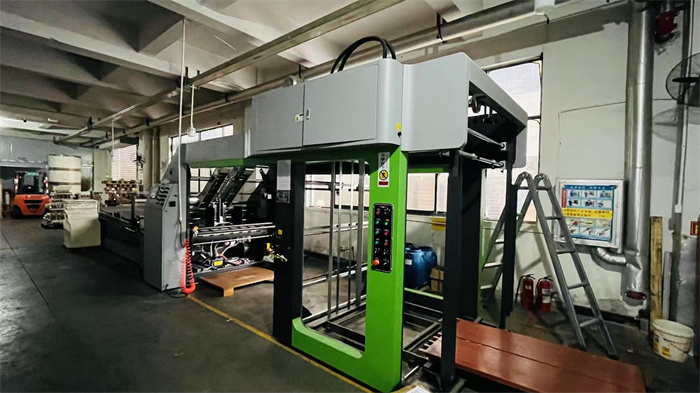
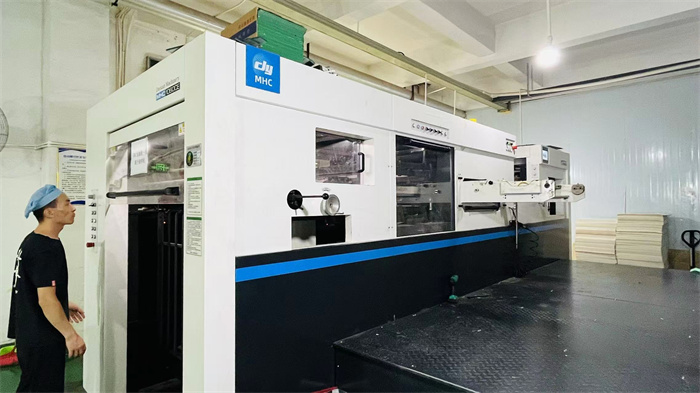
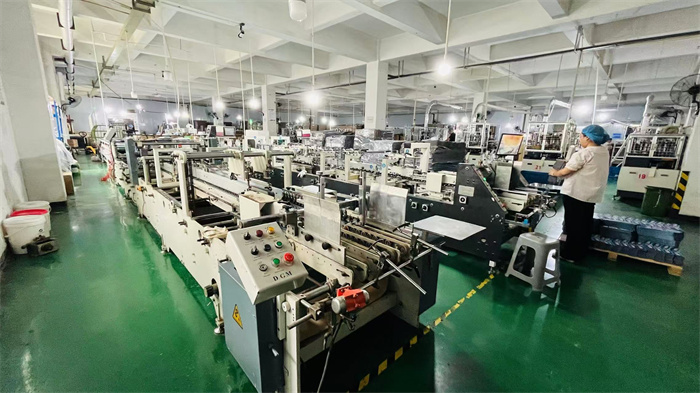
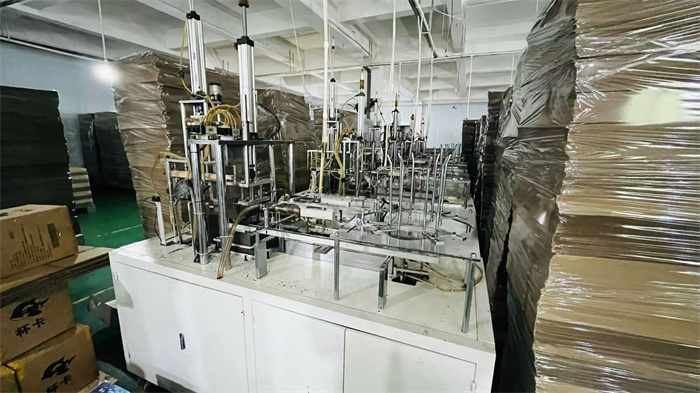
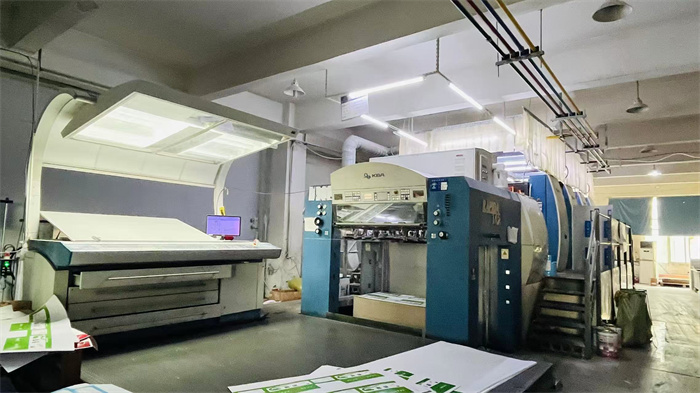
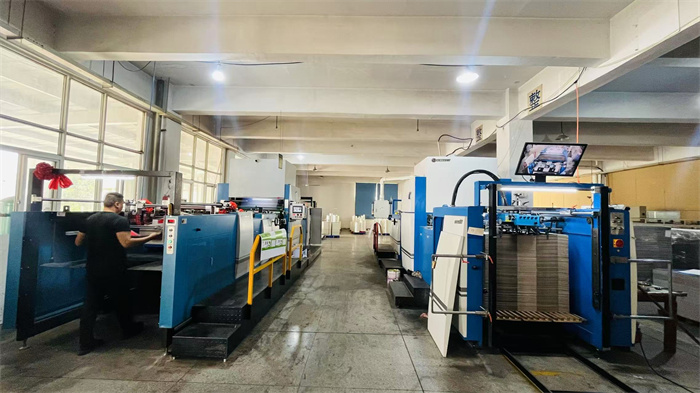
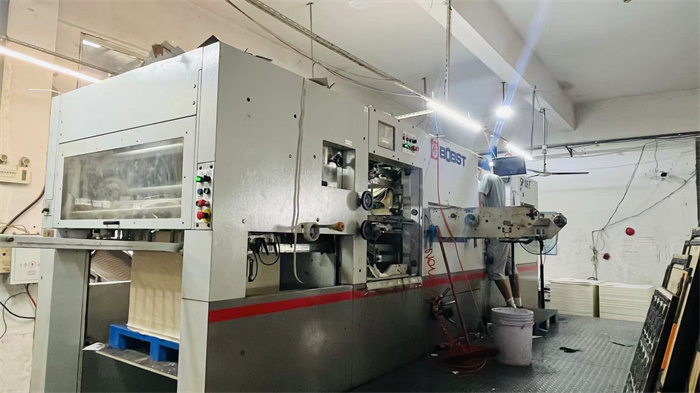
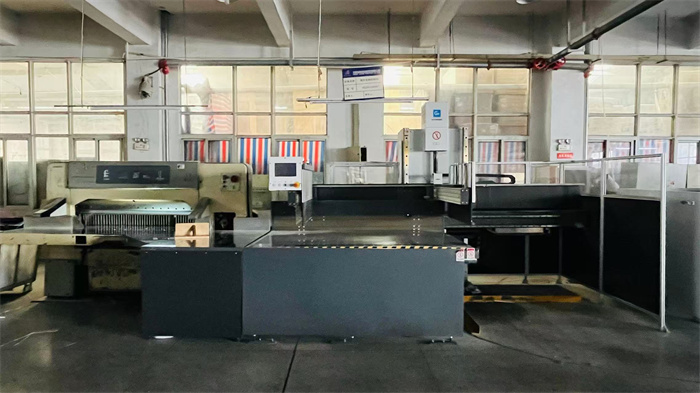
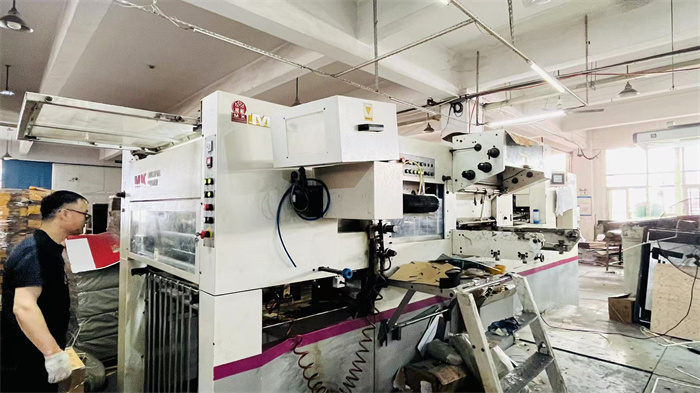
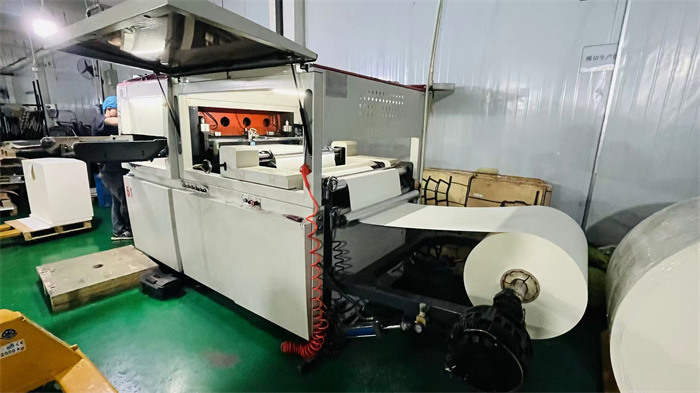
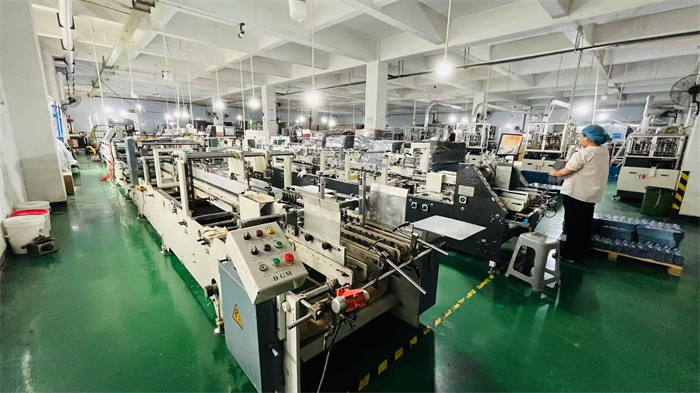
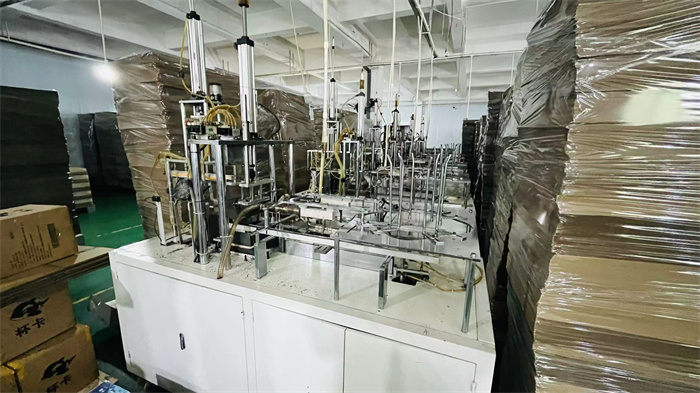
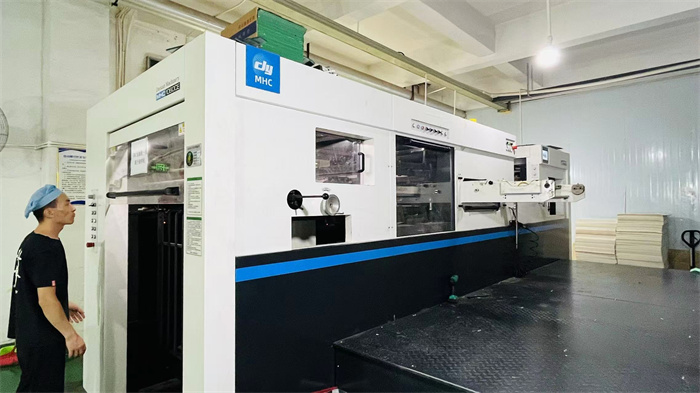
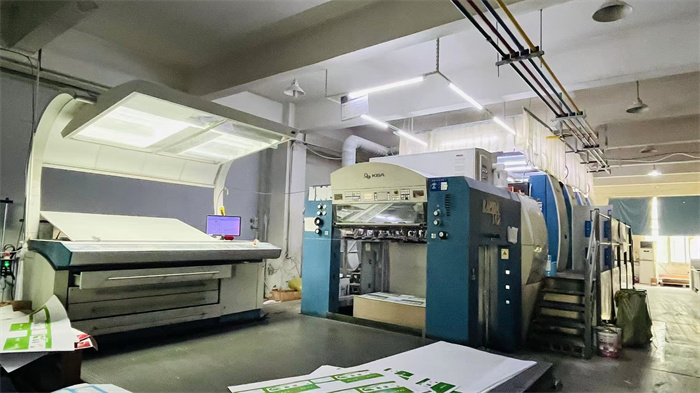
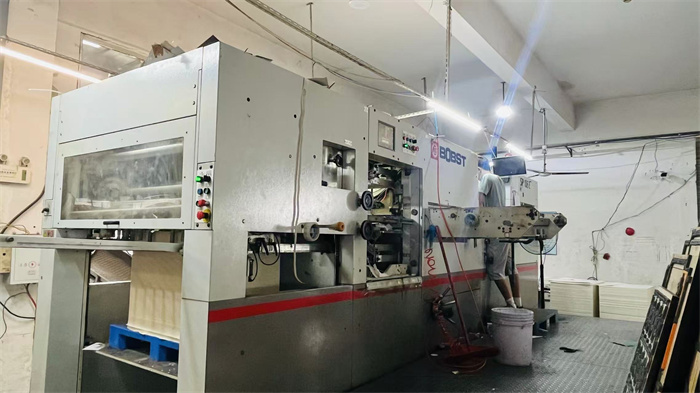
A tour of Shenzhen Vault Box Co., Ltd.'s automated facility showcasing multi-color printing, automated cutting, high-speed lamination, and heavy-duty molding processes.

Six-color Printing
Six-color Printing Machine
Cutting Process
Precision Die Cutting
Lamination
Surface Lamination
Cutting Machine
Automated Slitting & Cutting
Molding Stage
Corrugated Board Molding
Secondary Molding
Structural Box Assembly
Printing Line 1
Heavy Offset Press
Printing Line 2
High-Speed Flexographic Press
Heavy Cutting Press
Industrial Die Cutter
Precision Cutter
CNC Plate Cutting
Golding Press
Metallic Hot Foil Press
Automatic Die-Cutting
Integrated Die-Cutter Unit
Molding Machine A
Automatic Folder Gluer
Molding Machine B
High-Speed Gluer System
Cutting Station
Raw Material Board Slitter

Global Trends: The Evolution of Circular Bicycle Packaging

The global bicycle manufacturing industry is moving rapidly toward net-zero supply chains. In regions like the European Union and North America, strict extended producer responsibility (EPR) laws are forcing companies to rethink their packaging. Several key trends are shaping the future of this sector:

1. Complete Transition from Plastic Foams to Molded Fiber Pulp

Traditionally, manufacturers relied on Expanded Polystyrene (EPS) and Expanded Polyethylene (EPE) foam blocks to keep the heavy frame components suspended in the center of the box. However, these materials are non-biodegradable and highly problematic to recycle. Current industry practices favor molded fiber pulp inserts—made from 100% recycled paper—custom-molded to fit the frame's specific curves.

2. E-Bike Lithium Battery Compliance (UN 3480/3481)

Electric bikes are classified as dangerous goods under Class 9 due to their large-capacity lithium-ion batteries. Packaging suppliers must engineer shipping cartons that meet UN certifications. These boxes must feature specialized fire-retardant outer liners and inner layers designed to control thermal runaway hazards, satisfying standard international cargo shipping rules.

3. E-Commerce Optimized DTC Packaging

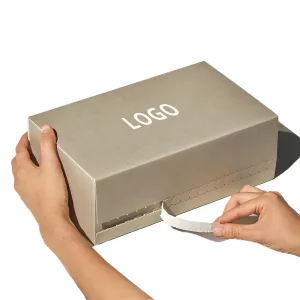
Direct-to-Consumer (DTC) bicycle brands require packaging designs that allow the bike to arrive 95% assembled. This shifts the assembly burden from the consumer to the packaging design. The box must feature fold-out ramps, heavy-duty handle holes, and easy-open tear strips, providing a clean unboxing experience while maintaining heavy-duty protective integrity.

Technical Sourcing FAQ

What cardboard strength is required for heavy E-bikes?
For E-bikes that weigh between 25kg and 40kg, we recommend double-wall corrugated boards consisting of combined B and C flutes (BC-Flute). The box outer liner should have a minimum weight of 440 GSM, and the entire assembly should provide a minimum Mullen test bursting strength of 350-400 PSI and a minimum rating of 51 ECT.
How do you prevent fork and axle damage during transport?
The most common damages happen when the fork ends drop through the bottom of the box. To prevent this, we design custom plastic or high-density molded pulp fork spacers. These inserts keep the front fork suspended above the bottom of the box, redistributing drop energy across the broader surface of the box walls.
Are custom boxes FSC certified?
Yes, top manufacturers, including Shenzhen Vault Box Co., Ltd., provide FSC (Forest Stewardship Council) certified paper products. This certification guarantees that the raw paper fibers are obtained from responsibly managed forests and recycled materials.
Can you print complex branding and graphic designs on heavy corrugated boxes?
Absolutely. We use high-precision flexographic printing for high-volume runs (ideal for cost efficiency) and high-quality offset litho-lamination for high-end graphic packaging. This allows you to apply rich colors, spot UV, and matte finishes to protect the box from external moisture.
How does a packaging redesign save shipping costs?
By redesigning the internal spacing layout, we can often reduce the dimensional footprint (volume) of the outer carton by 10% to 15%. Because shipping companies charge based on volume weight, reducing these dimensions can significantly cut down on ocean and air freight costs.