Primary Korean Market Packaging Selections
Direct factory configurations specifically engineered to comply with Korean eco-regulations and upscale distribution standards.
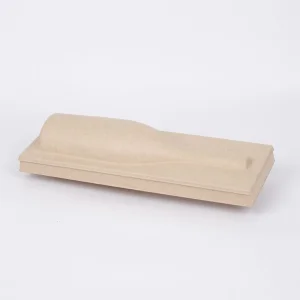
Custom Biodegradable Wine Bottle Wet Press Moulded Paper Pulp Protection Tray Packaging for Korea
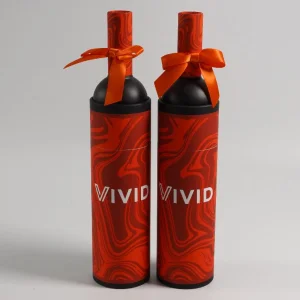
Wholesale Custom Tea Cans Red Wine Paper Tubes Kraft Paper Tubes Insulated Cups Cylindrical Packaging for Korea
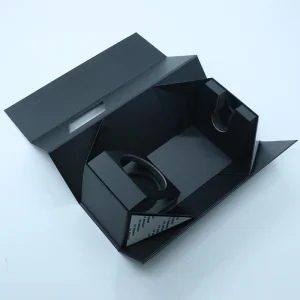
Custom Luxury Red Wine Gift Bag Bottom Tote Kraft Paper Bag Add Logo Thickened Packaging Wine Bags Gravure Printing Beverage for Korea
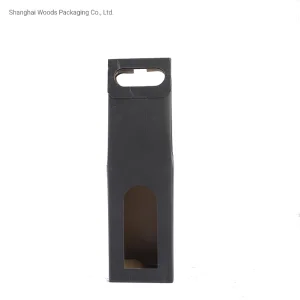
Recycled Cardboard Material One Bottle Carrier Packaging for Wine with Handle for Korea
The Dynamics of South Korea’s Premium Wine and Spirits Sector
South Korea’s wine market is experiencing a profound transition toward premiumization. Once limited to seasonal department store gift packs, wine and spirits have evolved into daily consumer staples, driven in large part by the "Home-술" (drinking at home) culture and the influential MZ generation. This shift has placed unprecedented emphasis on wine packaging solutions that command visual distinction on the shelf while offering superior transit safety.
For global brands and local distributors in Seoul, Incheon, and Busan, sourcing high-end rigid paper boxes, corrugated carriers, and molded pulp trays has become a vital strategic focus. Local Korean wineries (such as those in Yeongdong County) and premium imported wine distributors are seeking packaging partnerships that satisfy both rigorous consumer expectations and strict local environmental dictates.
Engineered Rigid & Flexible Wine Containers
Combining structural durability with bespoke finishes to withstand automated sorting centers and international shipping corridors.
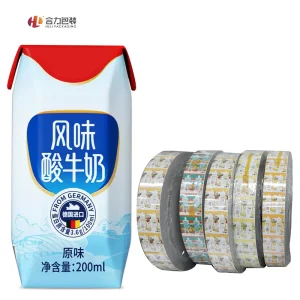
Heli 250ml Liquid Packaging for Beverage Milk Juice Wine Tea Drink for Korea
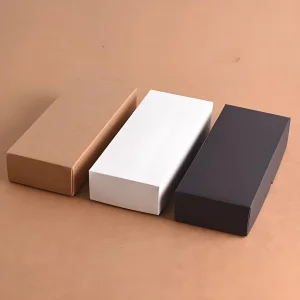
Elegant Custom Wine Box Packaging Solutions Retail Distribution Custom Foam Packaging for Korea
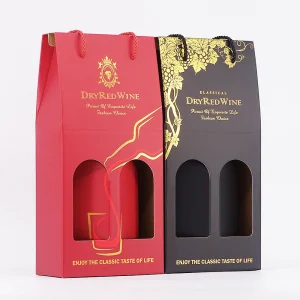
Custom Double and Single Red Wine Corrugated Paper Golden Hot Stamping Luxury Cardboard Paper Magnetic Liquor Gift Packaging Box for Korea
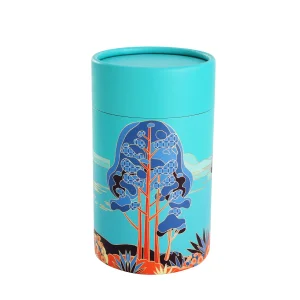
Recycled Custom Round Cylinder Box Paper Tube Packaging for Tea Wine Coffee Bean for Korea
Shenzhen Vault Box Co., Ltd. - Corporate Infrastructure
Shenzhen Vault Box Co., Ltd. was established in 2008 and is a modern, high-tech packaging and printing enterprise specializing in premium customized packaging solutions. The company is equipped with a full set of advanced automated production systems, enabling integrated manufacturing capabilities from structural design and creative development to precision printing, post-processing, quality inspection, and final delivery.
With a workforce of over 200 skilled employees and a production facility spanning approximately 18,000 square meters, Shenzhen Vault Box Co., Ltd. has built a strong foundation for large-scale, high-quality, and efficient manufacturing. Over the years, the company has developed mature production management systems and strict quality control standards, ensuring consistency, stability, and excellence in every project delivered. The company supports both domestic and international markets and is capable of undertaking a wide range of legally compliant printed and packaging products.
Core Mission & Long-Term Strategy
Our mission is to help customers enhance the value of their products through innovative, functional, and visually compelling packaging. We provide fully customized, one-stop services including packaging consulting, structural engineering, creative design, prototyping, mass production, quality control, and global logistics support. By closely working with clients at every stage, we ensure that each packaging solution aligns with brand positioning and market needs. We continuously invest in eco-friendly materials, smart packaging technologies, and automated production upgrades to meet evolving global market demands. Innovation and sustainability are at the core of our long-term development strategy.
High-Capacity Automation
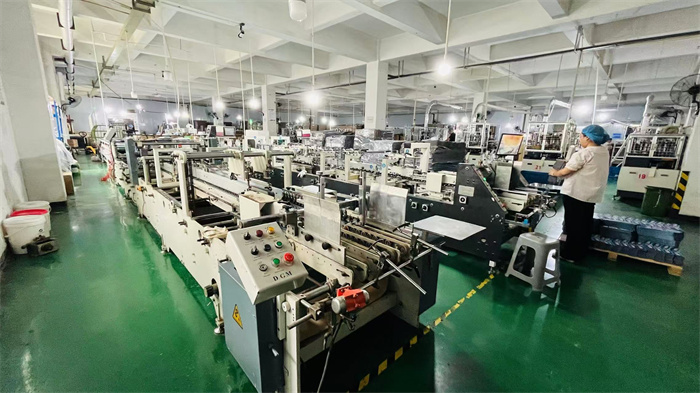
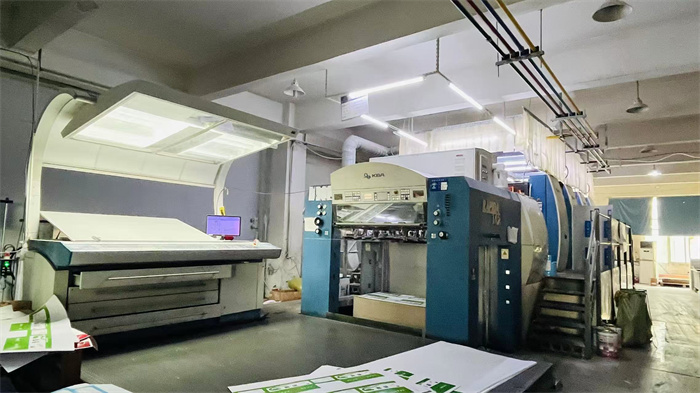
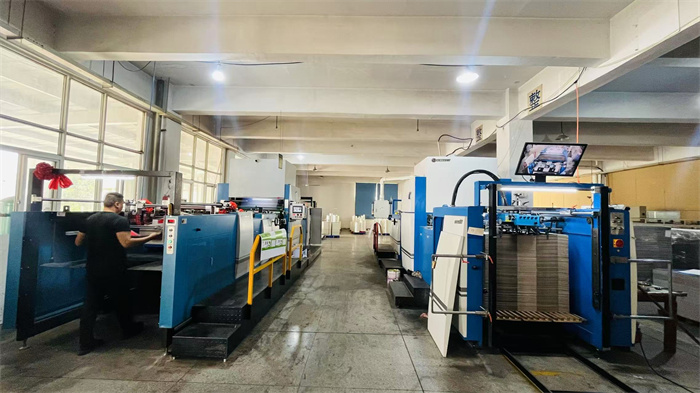
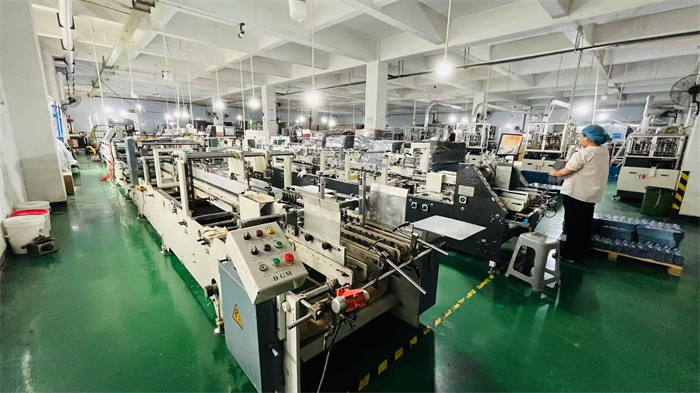
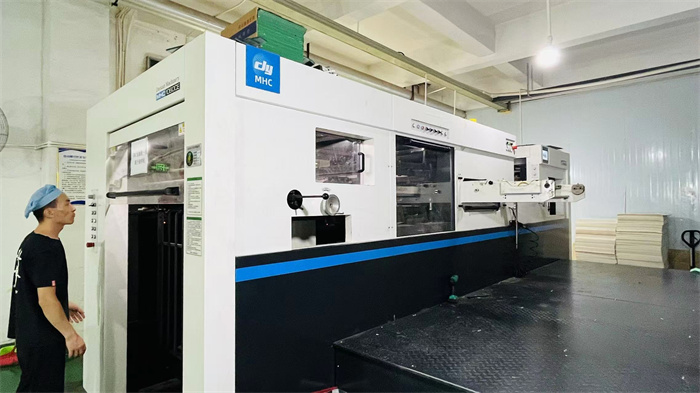
Equipped with state-of-the-art six-color Heidelberg offset printers and fully automated die-cutting networks.
Certified Green Forestry
Fully compliant with international FSC regulations, utilizing non-toxic, soy-based offset ink systems.
Optimized Korean Logistics
Seamless door-to-door transit channels to South Korea, minimizing import customs delays through RCEP documentation.
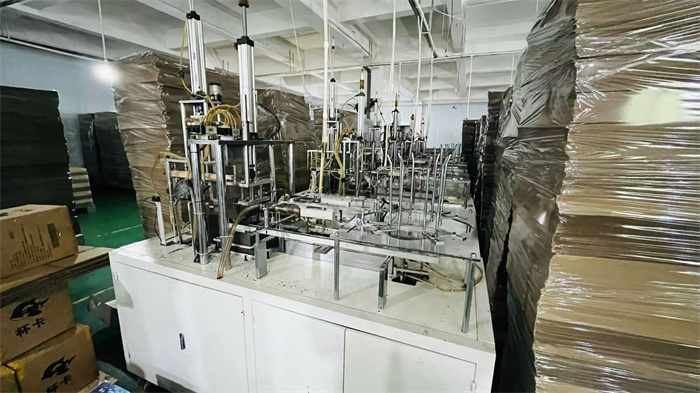
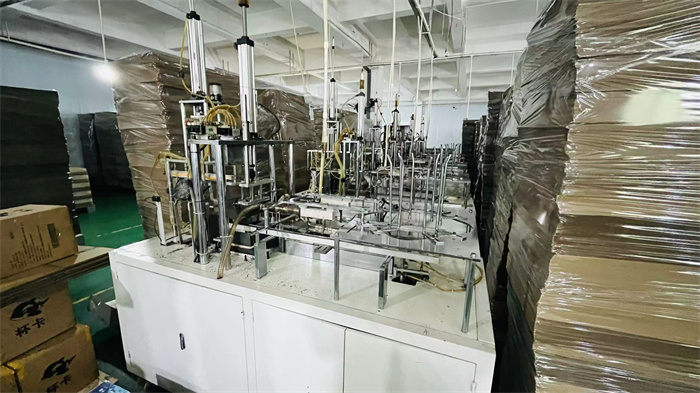
Our Advanced In-House Production Fleet
Continuous investment in heavy automation safeguards dimensional tolerances and mass-volume stability.
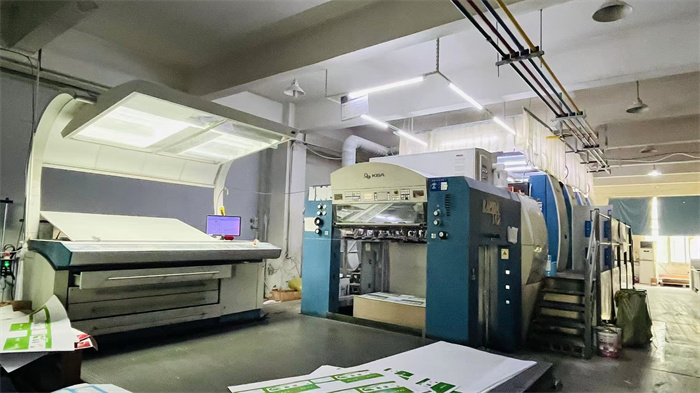
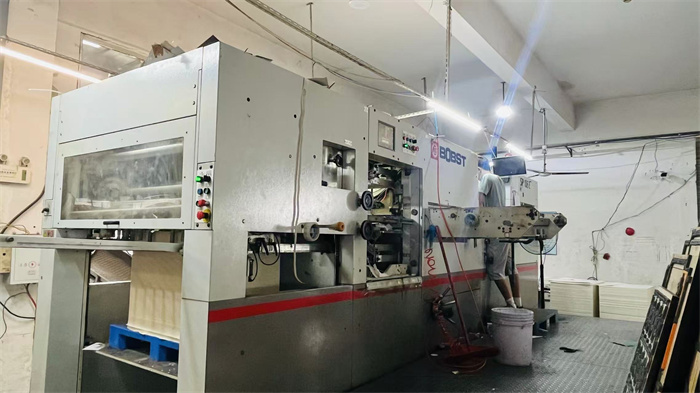
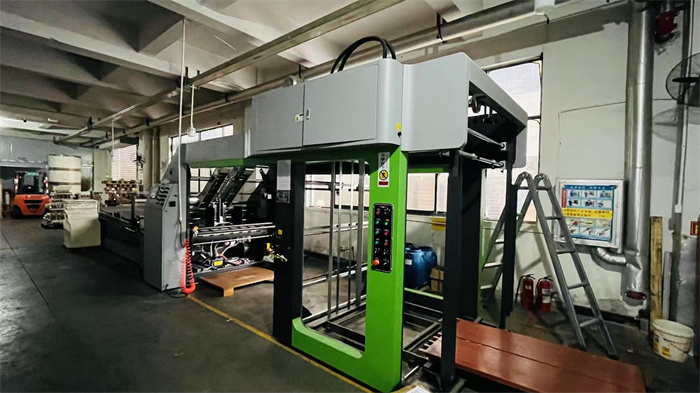
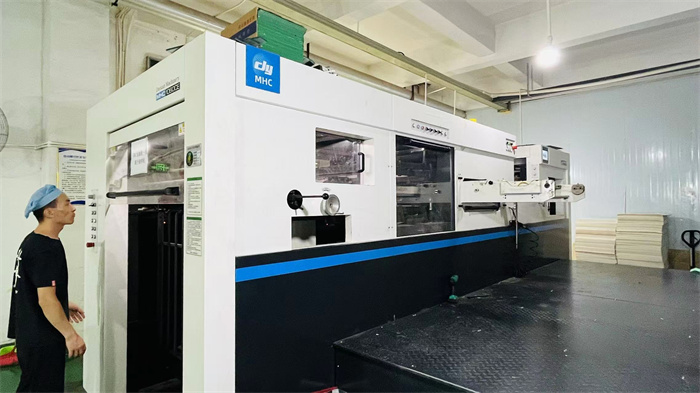
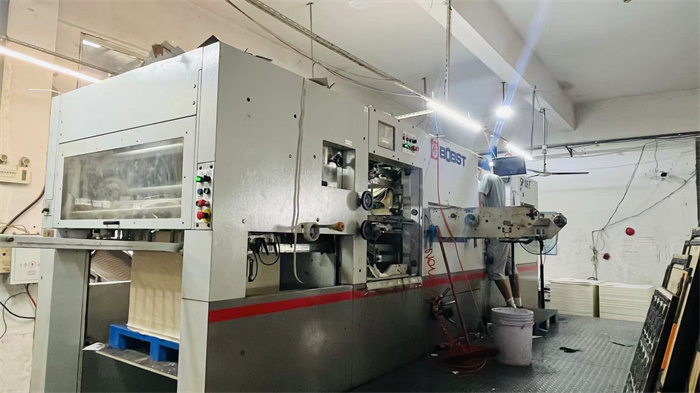
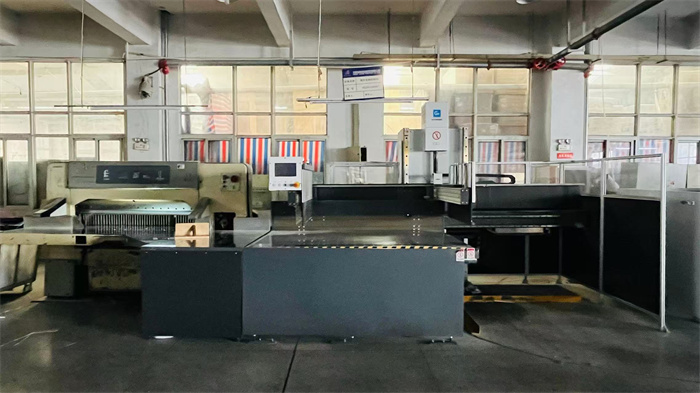
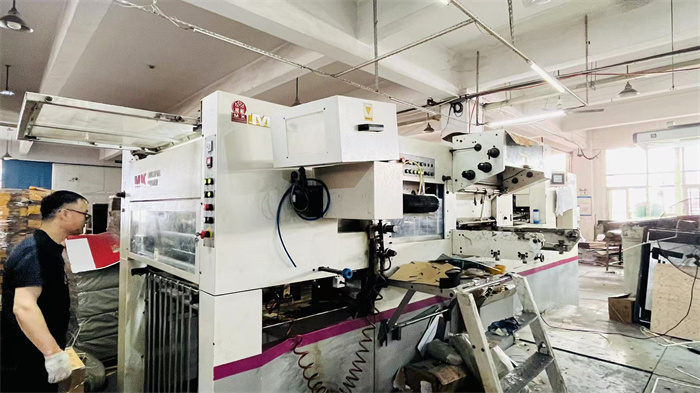
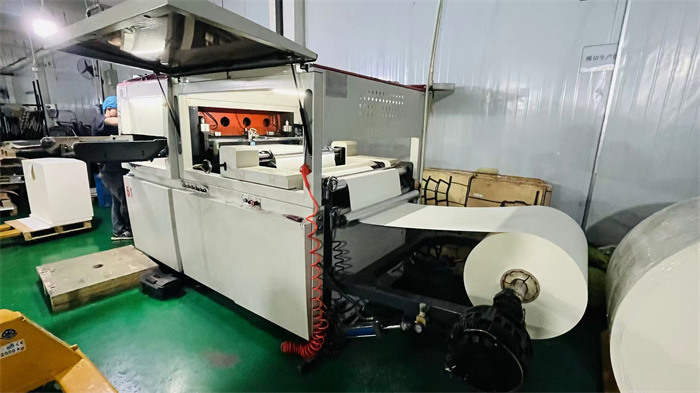
Compliance with Korean Environmental Standards
Navigating Ministry of Environment directives requires specialized material engineering and circular design architectures.
In South Korea, packaging is subject to rigorous oversight governed by the Act on the Promotion of Saving and Recycling of Resources. This law mandates a formal recyclability grading system ("Best," "Good," "Difficult to Recycle") that brands must declare prominently on their packaging. Importers shipping wines to Korea face substantial taxes and negative consumer sentiment if their packaging utilizes non-separable composites or heavy, non-recyclable plastics.
To support compliance, we engineer our cardboard boxes and molded trays using 100% recyclable, monolithic paper designs. By substituting traditional expanded polystyrene (EPS) and plastic inserts with sugarcane bagasse and wet-pressed paper pulp trays, we guarantee that our packaging is classified as "Best" or "Good" for recycling in South Korea. This minimizes the Extended Producer Responsibility (EPR) financial burden on brands and aligns with the clean, eco-conscious preferences of Korean consumers.
Strategic Advantages of Direct China-to-Korea Factory Integration
The manufacturing corridor connecting Shenzhen and South Korean ports (Incheon and Busan) offers unique structural efficiencies. Due to close geographic proximity, shipping transit times average between 3 to 5 days, mirroring the agility of local Korean suppliers while leveraging the extensive scale and competitive pricing of a specialized Chinese production hub.
Under the Regional Comprehensive Economic Partnership (RCEP), bilateral tariffs on paperboard and packaging components are significantly reduced. Our documentation department prepares customized certificates of origin to expedite clearance through Korea Customs Service (KCS), eliminating costly warehouse delays and helping brands maintain agile production calendars.
Premium Structural Design Showcase
Review our extensive range of specialty wine packaging, crafted to balance modern aesthetics with robust structural integrity.
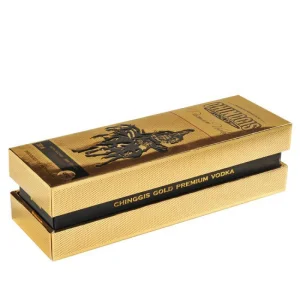
Stylish Custom Wine Glass Gift Packaging for Vodka Lovers for Korea
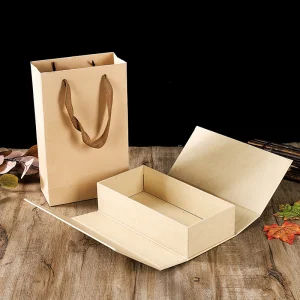
High End Kraft Customized Magnetic Close Gift Box Wine Gift Packaging for Korea
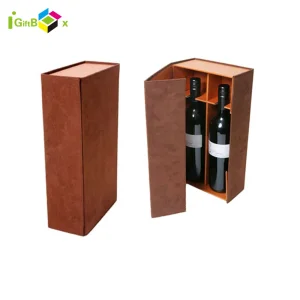
Elegant Custom Wine Glass Packaging for Two Bottles for Korea

Eco-Friendly Wine Box Packaging Made From Bagasse Material for Korea
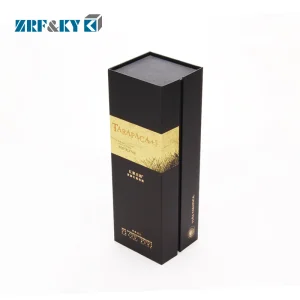
Golden Foil Glass Wine Packaging for Korea
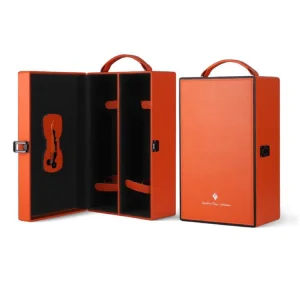
Wholesale Custom Logo Orange Claret PU Leather 2 Bottles Red Wine Gift Box Packaging for Korea
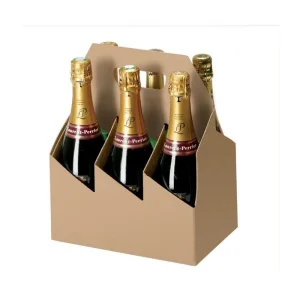
Custom Printed Kraft Paper Portable 350ml 4 Bottles Wine Holder Paper Packaging for Korea
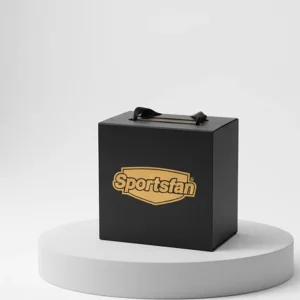
High End Chocolate Wine Tea Food Packaging Box Magnetic Closure Paper Case for Gift for Korea
The Future of High-Tech Wine Packaging
Combining smart technology, luxury branding, and circular material science to support modern consumer experiences.
Modern wine packaging is moving beyond physical containment to become a digital touchpoint for brands. In high-density tech centers like Seoul, progressive wine brands are incorporating smart packaging technologies like embedded NFC tags and QR codes. These tools allow consumers to verify wine origins, view carbon footprint data, and interact with brand campaigns through their smartphones.
In terms of styling, there is a clear trend toward minimalism combined with striking, premium finishes. Brands are opting for uncoated textured papers, blind embossing, and delicate hot foil accents over high-gloss laminations. This approach conveys a sophisticated, organic feel that speaks to eco-conscious consumers while maintaining a high-end, premium presence on the shelf.
Enterprise B2B Procurement KPIs for Korean Wine Importers
Procurement departments at large Korean retail chains and import firms evaluate potential suppliers based on three primary KPIs:
- Structural Durability: Packaging must withstand high-speed sorting and logistics transit without cracking or crushing.
- FSC Compliance: Materials must be traceable and certified to satisfy strict corporate environmental goals (ESG compliance).
- Dimensional Accuracy: Box dimensions must be highly precise to avoid line stoppages in automated bottling and packing facilities.
Our quality assurance program is designed around these priorities. Using automated inspection systems, we test paperboard caliper, tensile strength, and ink adhesion to ensure every production run meets the highest functional standards.
Frequently Asked Questions
Clear answers to common questions about importing custom wine packaging to South Korea.