Himalayan Agro & Retail Premium Starters
Engineered high-performance bio-based options optimized for domestic Nepalese distribution and compliance in international export channels.

Global Circular Economy & Nepal's Structural Challenges
Industrial insights on sustainable material adoption, supply chain realities, and policy directives shaping Nepalese manufacturing.
The global industrial landscape is undergoing a critical paradigm shift from linear plastic consumption to circular resource models. Driven by stringent global regulatory frameworks such as the European Union’s Packaging and Packaging Waste Regulation (PPWR) and the United Nations’ developing plastic treaty, multinational corporations and local manufacturers are re-engineering their entire product lifecycles. For landlocked developing economies, such as Nepal, this global shift is not merely an environmental trend; it is a structural imperative. Historically dependent on imports for polymers and synthetic raw materials, Nepalese businesses are facing escalating pressures to adapt.
Furthermore, Nepal's strategic positioning within the South Asian trade block requires an assertive transition towards green operations to maintain its competitiveness in primary export sectors including orthodox tea, premium coffee, high-altitude herbs, and hand-woven pashmina. The international buyer community now mandates rigorous lifecycle assessments (LCA) and compliance with composting certifications (such as ASTM D6400 and EN 13432). Transitioning to eco-friendly structural barrier options, bio-based polymers, and post-consumer recycled (PCR) corrugation enables local enterprises to meet these stringent requirements, mitigating non-tariff trade barriers while reducing their reliance on volatile virgin petrochemical supply lines.
Local Industry Realities & Targeted Solutions in Nepal
Navigating regulatory guidelines, environmental sensitivities, and localized industrial supply chains.
Environmental Regulation & Policy Compliance
Nepal’s Department of Environment has repeatedly implemented bans on single-use plastics under 40 microns to protect the fragile Himalayan ecosystem. Enforcement in urban areas like the Kathmandu Valley, Lalitpur, and Pokhara has compelled the retail, e-commerce, and food service industries to seek durable, compliant alternatives. By replacing standard low-density polyethylene (LDPE) packaging with compostable PLA/PBAT starch blends and high-strength kraft substrates, local businesses can avoid municipal penalties, enhance their brand equity, and contribute directly to national waste reduction targets.
Himalayan Tourism & Circularity Focus
Tourism-driven solid waste along mountain trails (such as the Annapurna Circuit and the Everest region) remains a highly visible environmental concern. Conservation organizations and local government bodies are heavily promoting zero-waste trekking policies. Providing lightweight, biodegradable, and water-resistant packaging solutions for food rations, gear, and consumer goods is critical. Supplying biodegradable packaging tailored to these environmental sensitivities ensures that outer packings decompose naturally without releasing endocrine-disrupting microplastics into high-altitude water tables.
Industrial Application Vectors for Nepalese Markets
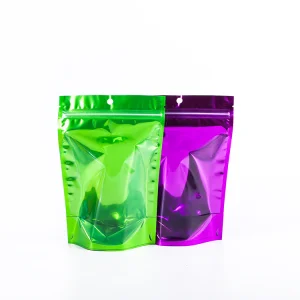
1. Premium Agro-Exports: Himalayan orthodox tea and specialty coffee require absolute moisture and oxygen barriers to preserve volatile organic compounds (aroma profiles). Our multi-layer, recyclable, and bio-based barrier pouches provide high barrier properties (low water vapor transmission rates) without relying on traditional, non-recyclable aluminum foil laminates.
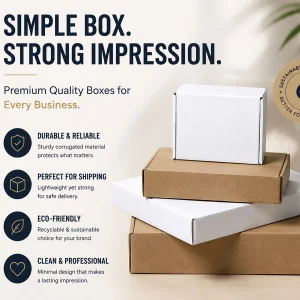
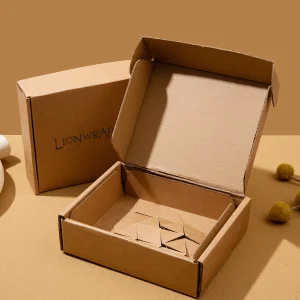
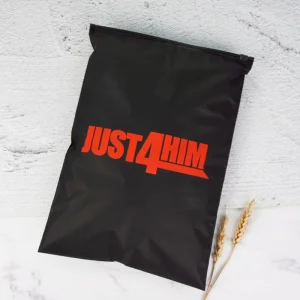
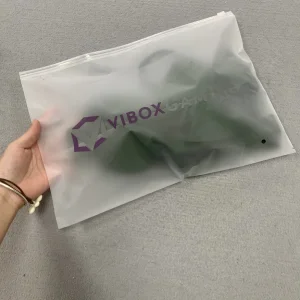
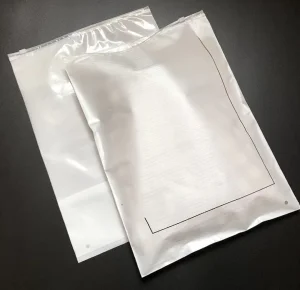
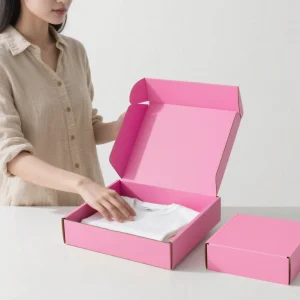
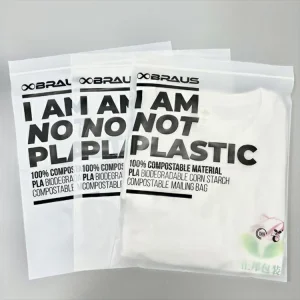
2. Pashmina & Apparel Brands: High-end cashmere and woolen exports destined for luxury markets in North America and Western Europe require clean, protective presentation. Utilizing certified compostable garment bags and recycled cardboard mailers with customizable, soy-based non-toxic inks ensures brands satisfy rigorous Western Extended Producer Responsibility (EPR) regulations.
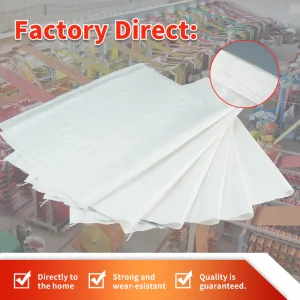
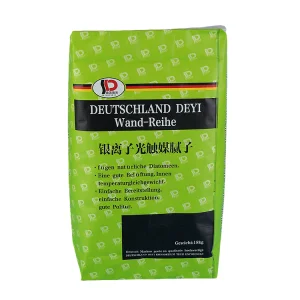
3. Infrastructure & Construction Raw Materials: Nepal’s rapid developmental expansion requires reliable storage for aggregates, dry mortar, and chemicals. Replacing standard virgin plastic sacks with heavy-duty, high-tensile kraft multi-wall valve bags provides structural integrity during challenging multi-modal transshipment across rugged mountainous terrains while maintaining 100% recyclability.
Technological Pathway to Sustainable Packaging Integration
Understanding the transition from high-density polymers to engineered plant-based fibers and compostable matrices.
Phase 1: Material Science Selection
Prioritizing FSC-certified virgin wood fibers and agricultural by-products (cornstarch, sugarcane bagasse). We strictly evaluate structural integrity to match or exceed the tensile strength of conventional petroleum-based plastics.
Phase 2: High-Performance Barrier Coating
Applying water-based dispersion barriers and plant-based PLA linings to replace traditional PE coatings. This process guarantees grease resistance, low water vapor transmission, and complete home-compostability.
Phase 3: Clean VOC-Free Printing
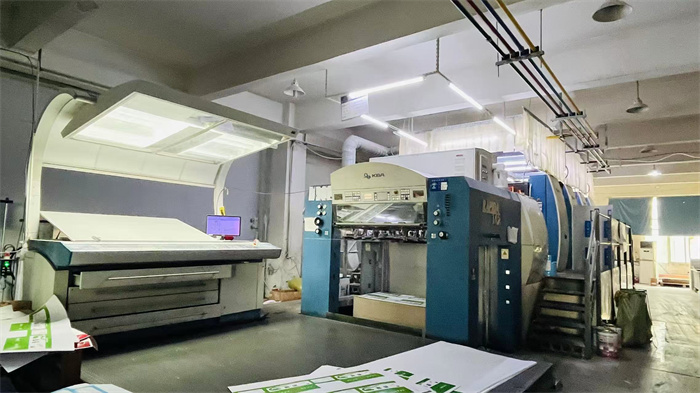
Employing soy-based and water-soluble inks on advanced 6-color flexographic and rotogravure presses. This minimizes VOC emissions and ensures the final packaging is non-toxic to soil and microbes.
Phase 4: Circular Lifecycle Assurance
Validation under EN 13432/ASTM D6400 test parameters. Products safely disintegrate in industrial composting facilities within 90-180 days, leaving zero toxic chemical residues or persistent microplastics.
Frictionless Supply Chain Logistics & Compliance for Nepal
How our localized support mitigates transit issues and ensures global market entry.
Importing materials into Nepal involves navigating distinct logistics corridors, primarily transit routes via Kolkata port in India, or land borders through the Tatopani and Rasuwagadhi crossings from China. Shenzhen Vault Box Co., Ltd. coordinates end-to-end logistics solutions, managing export customs clearance, container packing optimization to prevent moisture damage during ocean and mountain transit, and direct delivery to major distribution centers in Kathmandu and regional industrial hubs.
Importantly, our products are certified by reputable third-party bodies (including FSC, SGS, and TUV Austria). This certification ensures that Nepalese businesses exporting to the EU, USA, and East Asia encounter zero custom friction regarding packaging waste declarations. For high-growth local startups and established manufacturers, our low Minimum Order Quantities (MOQs starting at 500 pcs for custom recycled boxes) allow for efficient inventory and capital management while maintaining standard-setting green credentials.
Comprehensive Sustainable Solutions Portfolio
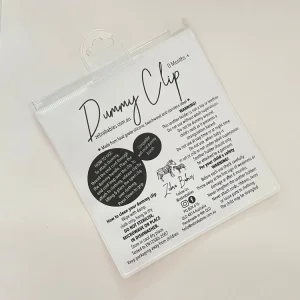
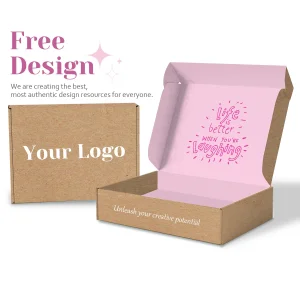
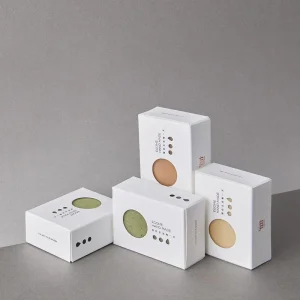
Engineered high-barrier, bio-degradable, and circular paper materials configured for Nepal's trade sectors.
Industrial Scale & Integrated Production Strengths
A deep look into the structural capacity, technology stack, and engineering expertise of Shenzhen Vault Box Co., Ltd.
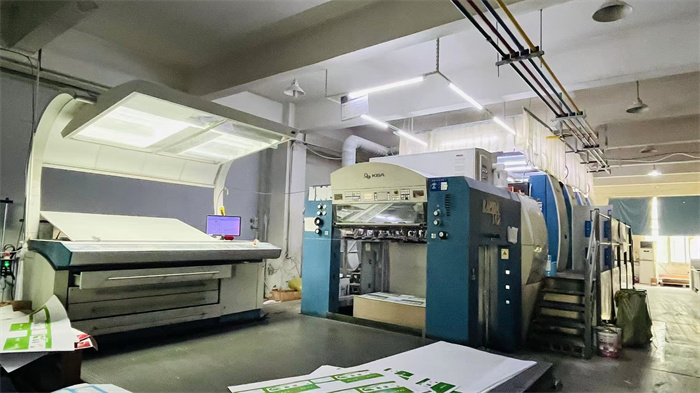
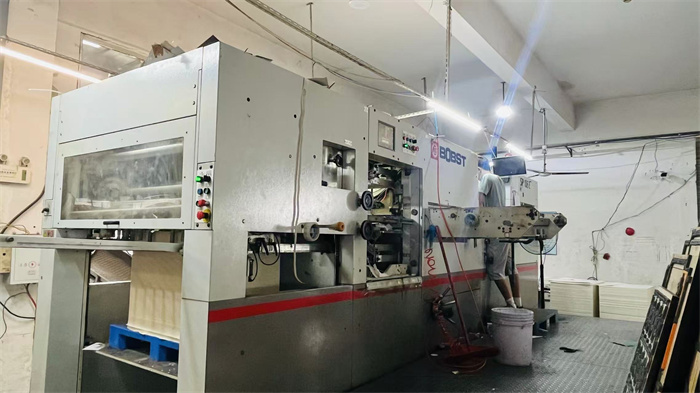
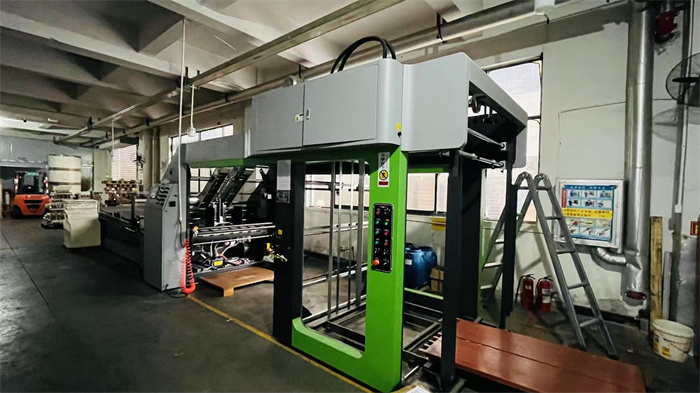
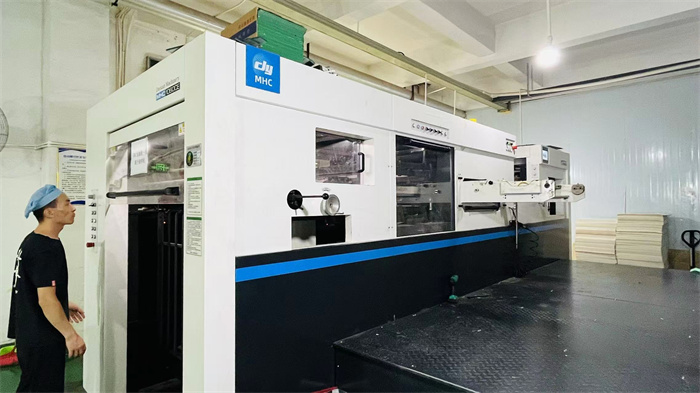
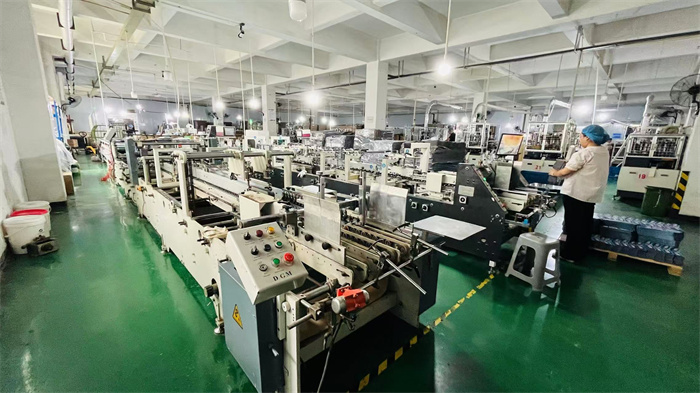
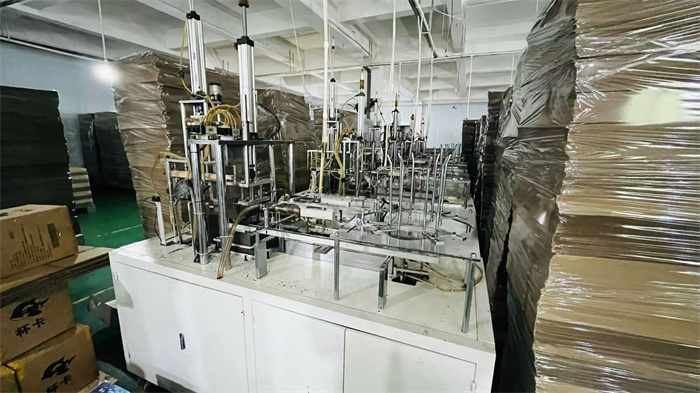
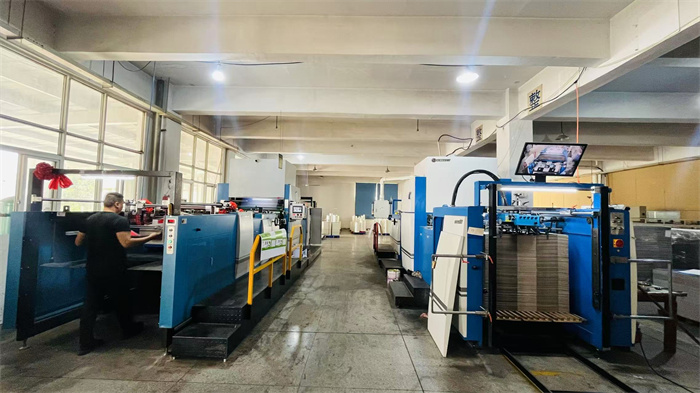
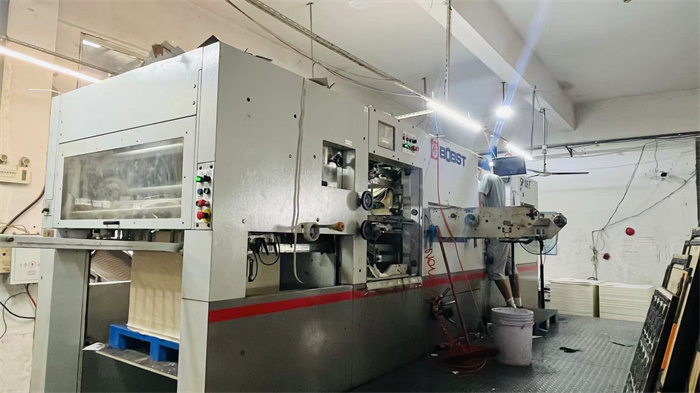
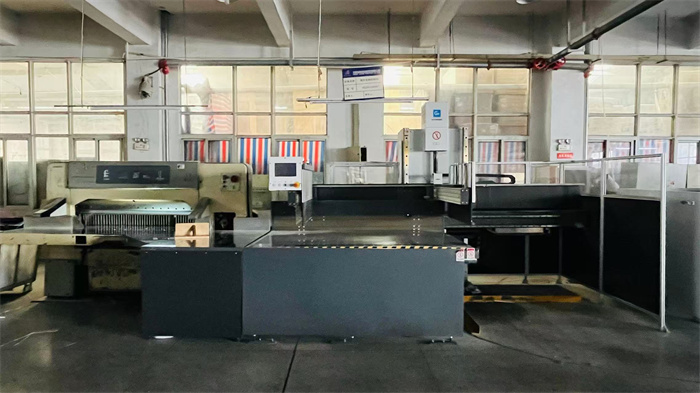
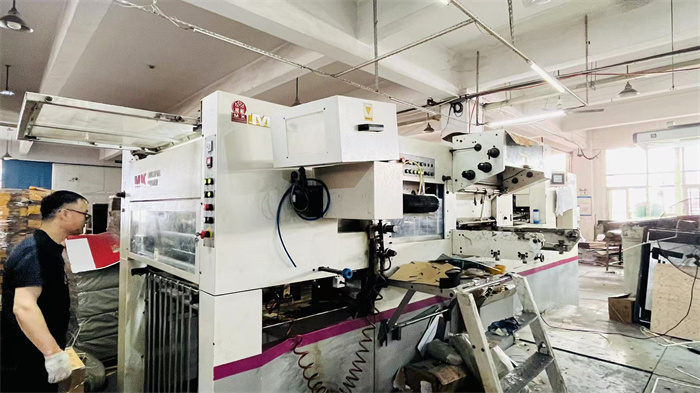
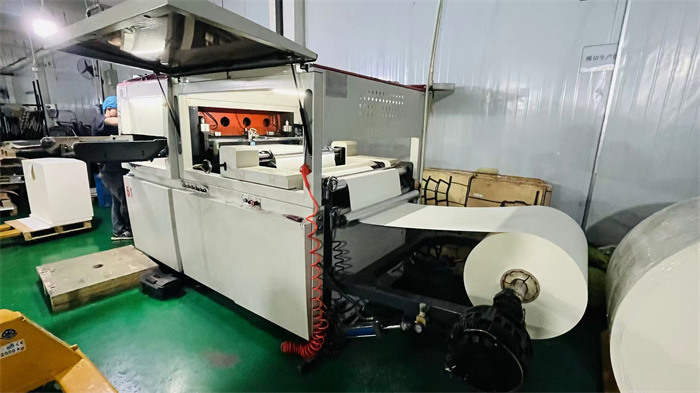
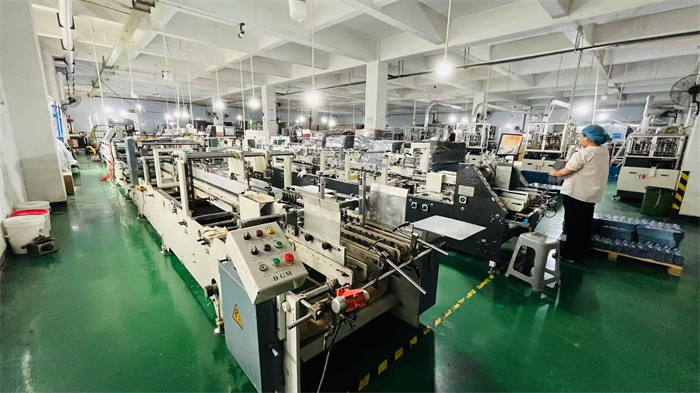
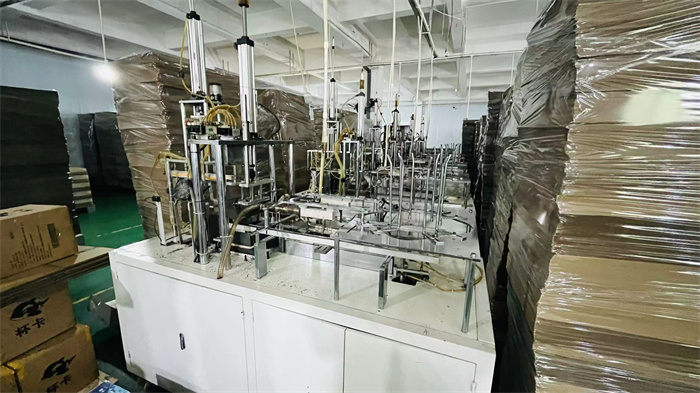
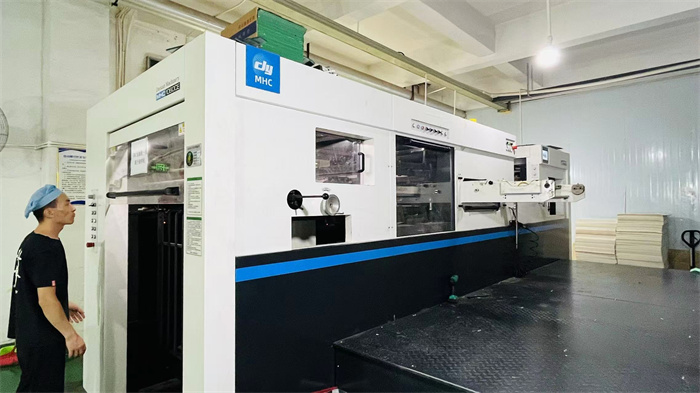
Established in 2008, Shenzhen Vault Box Co., Ltd. is a high-tech packaging and printing enterprise specializing in premium customized, sustainable packaging solutions. Supported by a workforce of over 200 skilled specialists and an expansive production facility spanning approximately 18,000 square meters, we provide integrated manufacturing from structural engineering and material formulation to high-precision printing, complex post-processing, and global supply logistics.
Our manufacturing plant features fully automated, computer-controlled systems designed to reduce material waste and optimize production cycles. We support both domestic and international markets, delivering products compliant with international environmental directives. Innovation and sustainability are at the core of our development strategy as we continuously invest in biodegradable barrier developments and automated line upgrades.
Advanced Production & Operations Facility
Technical & Logistics FAQ
Expert structural and operational guidance for Nepalese importers and global exporters.
1. How do your biodegradable packaging products perform in Nepal's diverse climates?
2. Do your products comply with Nepal's plastic regulations and bans?
3. What is the transit route and average delivery timeline for shipments to Nepal?
4. Can we customize dimensions and print branding with eco-friendly inks?
5. What certifications back your eco-friendly product lines?
Optimize Your Packaging for a Circular Future
Partner with Shenzhen Vault Box Co., Ltd. to secure high-performance, certified eco-friendly packaging designed for Nepal's growing domestic and export markets.
Send Inquiry Now