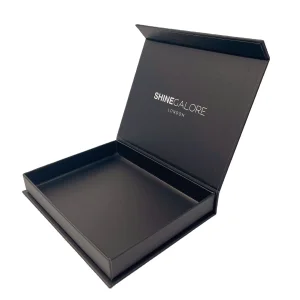
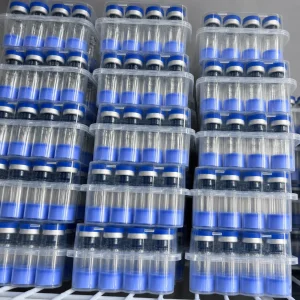
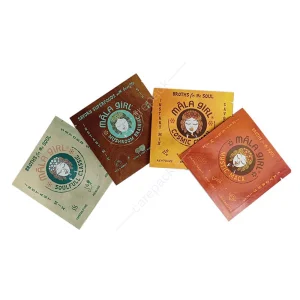
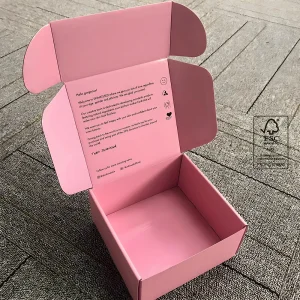
Featured High-Performance Packaging Solutions — Series I

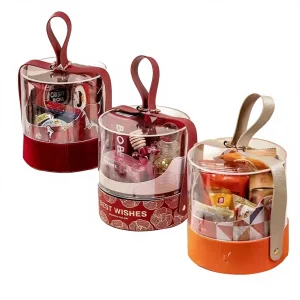
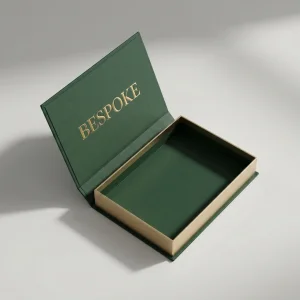
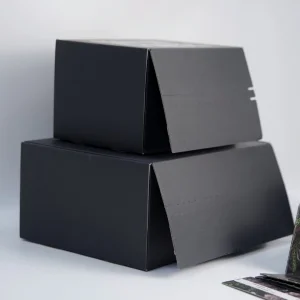
1. Global Industrial Landscape & Market Dynamics of Plastic Packaging
Evaluating polymer evolution, structural demand shifts, and the critical performance factors driving the global B2B procurement market in 2025.
The global plastic packaging sector represents one of the most critical structural components of modern industrial supply chains. Generating hundreds of billions of dollars in economic velocity annually, this segment spans rigid formats—including high-density polyethylene (HDPE) containers, polyethylene terephthalate (PET) beverage bottles, and polypropylene (PP) enclosures—and flexible films engineered with multi-layer barrier co-extrusions. As B2B procurement strategies evolve, the criteria for identifying top-tier suppliers have shifted from simple cost-per-unit metrics to sophisticated assessments of material performance, chemical compatibility, and compliance with ecological mandates.
Today, industrial end-users in cosmetics, pharmaceuticals, food, and high-end consumer goods demand high barrier integrity to prevent volatile organic compounds (VOCs) from escaping and to shield internal formulations from oxidative degradation. High-barrier films, utilizing ethylene vinyl alcohol (EVOH) co-polymer layers or physical vapor deposition (PVD) metallization, represent the state-of-the-art in shelf-life extension. Simultaneously, the market is undergoing a rapid transition toward mono-material structures. Unlike traditional multi-material laminates, which are notoriously difficult to recycle, modern mono-material PE or PP pouching options allow complete post-consumer recovery without sacrificing structural stiffness or moisture barrier properties.
Barrier Engineering
Multi-layer co-extrusion technologies incorporating EVOH and PA to block oxygen, moisture, and UV light, ensuring absolute formulation purity.
Polymer Circularity
Accelerated integration of mechanical PCR (Post-Consumer Recycled) resins and chemical recycling feedstocks meeting strict food-contact criteria.
Supply Resiliency
Diversified logistics channels, vertical factory integration, and real-time tracking protocols to insulate partners against global transit anomalies.
2. Shenzhen Vault Box Co., Ltd. — Integrated Packaging & Precision Printing
A critical analysis of automated production capabilities, engineering capacity, and systematic quality assurance workflows.
Shenzhen Vault Box Co., Ltd. was established in 2008 and is a modern, high-tech packaging and printing enterprise specializing in premium customized packaging solutions. The company is equipped with a full set of advanced automated production systems, enabling integrated manufacturing capabilities from structural design and creative development to precision printing, post-processing, quality inspection, and final delivery.
With a workforce of over 200 skilled employees and a production facility spanning approximately 18,000 square meters, Shenzhen Vault Box Co., Ltd. has built a strong foundation for large-scale, high-quality, and efficient manufacturing. Over the years, the company has developed mature production management systems and strict quality control standards, ensuring consistency, stability, and excellence in every project delivered. The company supports both domestic and international markets and is capable of undertaking a wide range of legally compliant printed and packaging products.
Our mission is to help customers enhance the value of their products through innovative, functional, and visually compelling packaging. We provide fully customized, one-stop services including packaging consulting, structural engineering, creative design, prototyping, mass production, quality control, and global logistics support. By closely working with clients at every stage, we ensure that each packaging solution aligns with brand positioning and market needs.
Shenzhen Vault Box Co., Ltd. is committed to becoming an industry-leading provider of intelligent and sustainable packaging solutions. We continuously invest in eco-friendly materials, smart packaging technologies, and automated production upgrades to meet evolving global market demands. Innovation and sustainability are at the core of our long-term development strategy. Our business covers multiple key sectors, focusing on delivering tailored packaging solutions that support brand value enhancement and supply chain efficiency. With a strong focus on quality, innovation, and customer success, Shenzhen Vault Box Co., Ltd. serves global brands and enterprises with reliable, scalable, and value-driven packaging solutions, and continues to build long-term partnerships with clients worldwide.
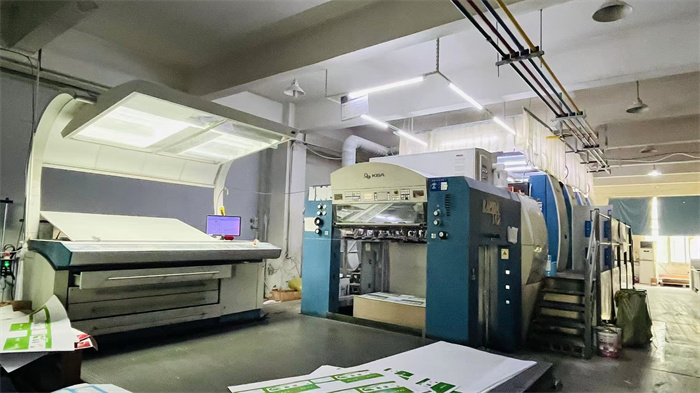
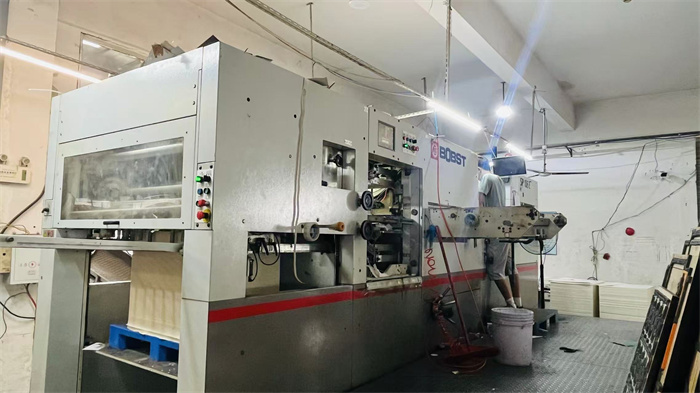
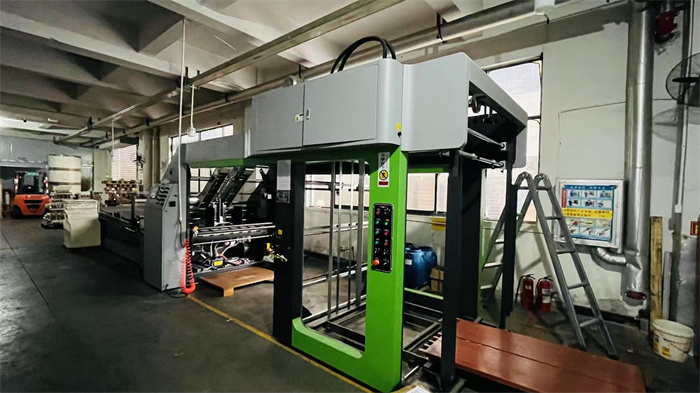
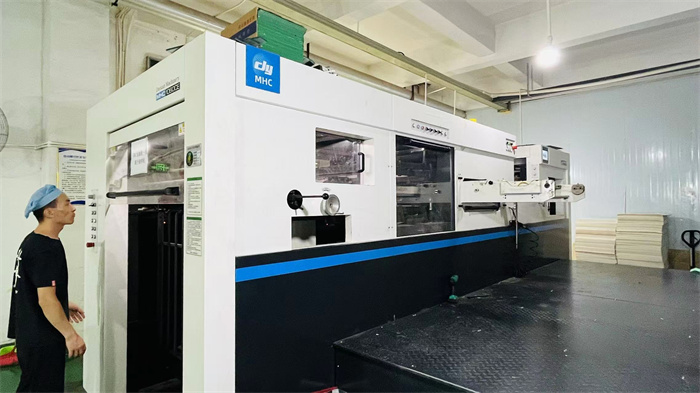
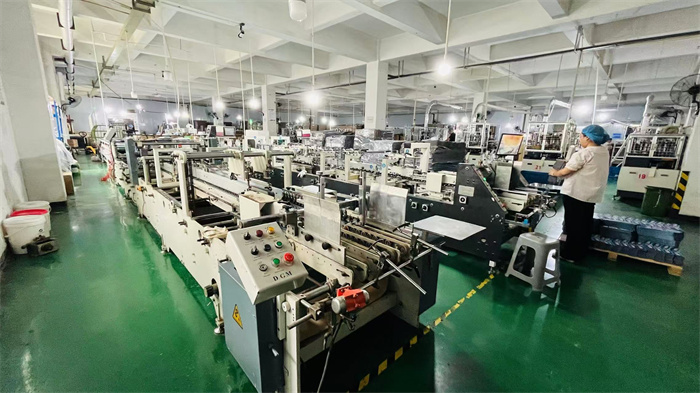
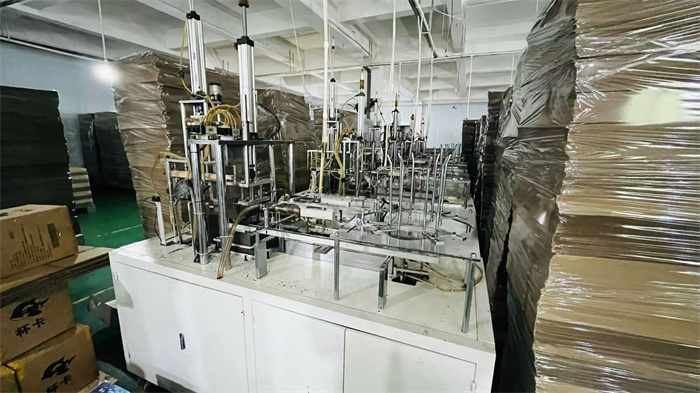
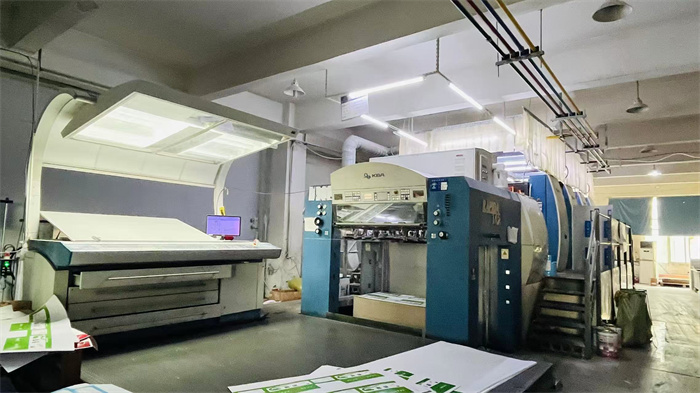
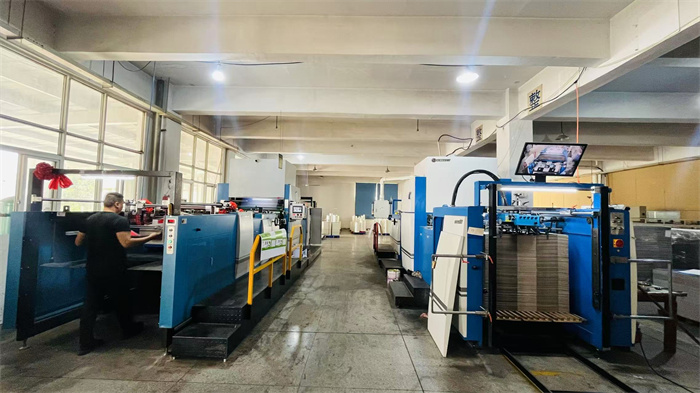
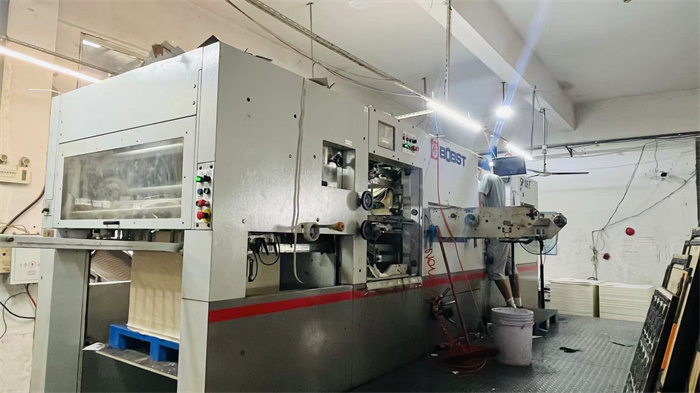
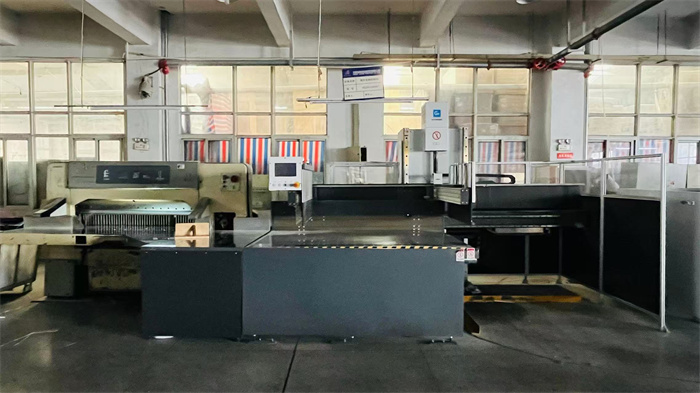
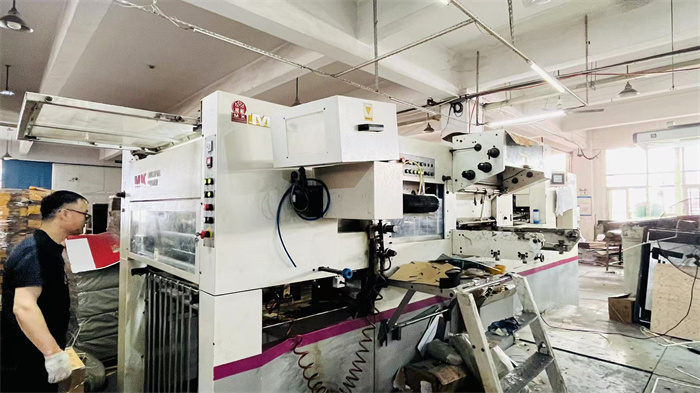
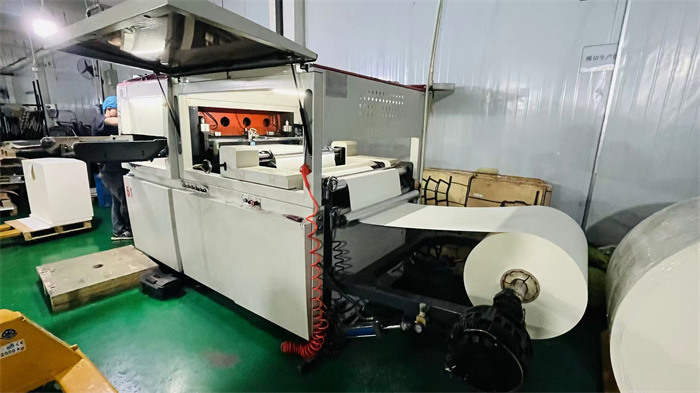
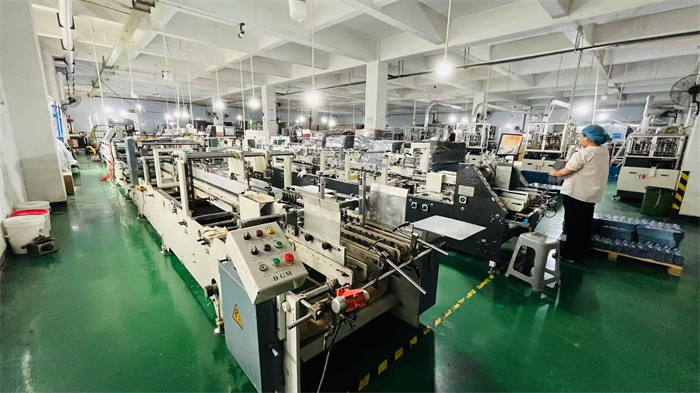
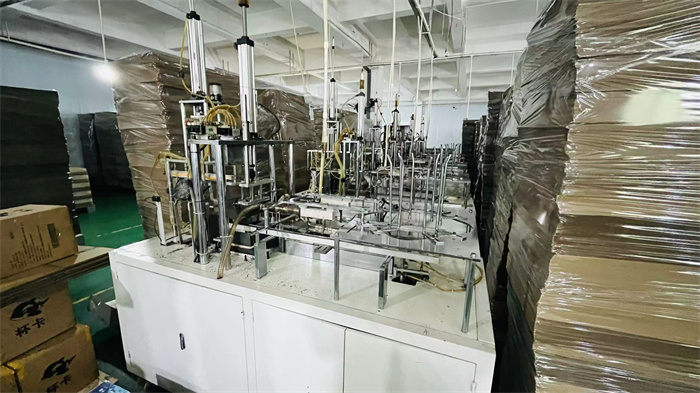
Machinery & Plant Facilities
Our advanced cleanrooms, high-speed multi-color printing presses, high-precision slitting lines, and automated assembly units guarantee rapid, reliable production. Below is a detailed view of our machinery inventory.

3. The Chinese Packaging Supply Chain: Clusters, Resilience, and Logistics Hubs
How geographical concentration and raw-material integration in the Pearl River Delta yield significant efficiency advantages for international buyers.
The concentration of advanced packaging manufacturers in China, particularly within the Pearl River Delta (Shenzhen, Dongguan, Guangzhou), is not an accident of geography. It is the result of decades of industrial clustering. For a procurement manager in North America or Western Europe, sourcing from this region delivers major structural benefits. The proximity of raw polymer processing units, masterbatch compounding plants, and custom tooling manufacturers allows for unmatched speed-to-market. Prototype toolings that typically require six to eight weeks to fabricate in the West are regularly completed, tested, and optimized here within 10 to 14 working days.
Furthermore, this industrial concentration offers unmatched supply chain flexibility. When global raw-material markets experience polymer shortages (such as shifts in ethylene monomer pricing), Chinese producers benefit from large domestic reserves and strong state-supported energy infrastructure. This ensures a steady supply of PET, PP, and biopolymer inputs. In addition, the close proximity to deep-water shipping centers like the Port of Shenzhen and Port of Guangzhou helps lower inland transportation expenses. This structural cost advantage, combined with high-throughput automation, offset printing capabilities, and streamlined workflows, allows domestic manufacturers to offer superior quality-control standards without premium price markups.
4. Technical Roadmap & The Future of High-Performance Polymers
Navigating the bio-synthetic transition: Polylactic Acid (PLA), PBAT, active scavengers, and smart tagging.
As global regulations tighten around single-use plastics, the industry's technology roadmap points toward advanced bioplastics and smart packaging technologies. Standard polymers are being replaced or modified with functional additives to reduce their carbon footprint. Polylactic acid (PLA), derived from renewable starches, has become a key alternative for transparent container and film applications. However, because pure PLA is brittle and has a low heat-deflection temperature (HDT), packaging engineers are using advanced formulations that blend PLA with polybutylene adipate terephthalate (PBAT) to improve flexibility, impact resistance, and tear strength for industrial shipping wraps and bag structures.
In addition to biopolymer development, active and intelligent packaging is reshaping supply chain management. Oxygen scavengers and moisture regulators can now be extruded directly into the polymer matrix. This chemistry actively controls the internal microenvironment of the container, extending the shelf-life of oxygen-sensitive goods like cosmetic peptides, food, and pharmaceuticals. At the same time, QR codes, RFID tracking, and temperature-sensitive inks are being integrated directly into the packaging, providing B2B buyers with real-time tracking data and authentication across the entire supply chain.
5. Localized Application Scenarios & Engineering Case Studies
Analyzing tailored solutions across different industrial ecosystems, from pharmaceutical storage to luxury consumer goods protection.
Packaging performance depends on its application environment. A packaging design that excels in the climate-controlled storage of Western Europe may fail under the high humidity and temperatures of Southeast Asia or Central America. For this reason, professional B2B packaging suppliers optimize their polymers to meet the challenges of localized distribution routes and regulatory standards.
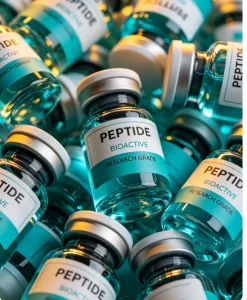
- Pharmaceutical and Biotech Logistics: For high-value peptide powders and active pharmaceutical ingredients (APIs), the packaging must prevent moisture vapor transmission (MVTR). The use of UV-blocking, glass-clear PET bottles or specialized foil-lined bags ensures that materials like CAS 89030-95-5 remain stable during international transit, even when exposed to temperature shifts.
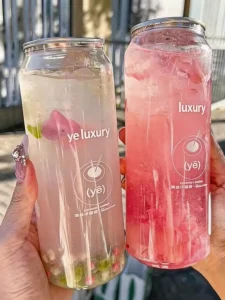
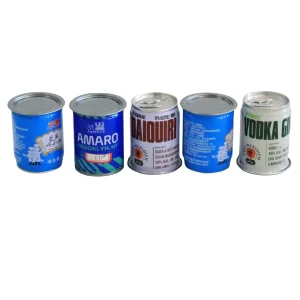
- Premium Food & Beverage Distribution: Packaging for carbonated drinks, craft beers, and cold-brew coffees must manage gas permeation. High-density PET cans and aluminum containers with easy-open lids are designed to handle internal pressure changes while blocking oxygen ingress. This helps prevent flavor oxidation and maintains carbonation over long shipping cycles.
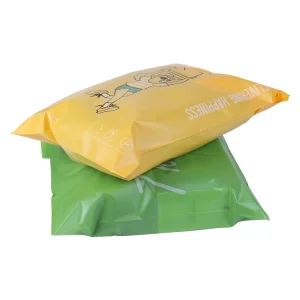
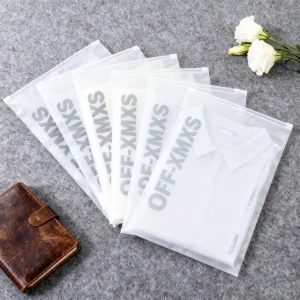
- E-Commerce & Apparel Shipping: For international clothing brands, transit wear is a major concern. Frosted, high-tensile ziplock poly bags and biodegradable poly mailers are treated with anti-static agents and slip additives. These treatments prevent dust attraction and ensure smooth, efficient handling on high-speed automated sorting conveyors.
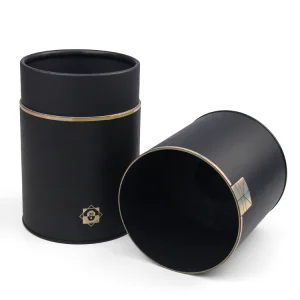
- Cosmetics and Luxury Goods: Cosmetics packaging requires both functional performance and high-end visual appeal. Luxury perfume bottles and cream jars use thick-walled glass or PETG resins. These materials provide chemical resistance to essential oils and acidic formulas, preventing stress-cracking while maintaining clear, premium transparency.
6. Compliance Standards, Quality Control, and Certification Systems
De-risking procurement by verifying chemical compliance, material safety datasheets, and international recycling criteria.
For procurement officers in highly regulated markets, complying with local and international packaging standards is a strict requirement. Using non-compliant packaging can lead to port delays, heavy fines, or product recalls. Top-tier suppliers address these risks by certifying their materials and manufacturing processes through third-party testing organizations.
Key standards include the FDA Food Contact Substance (FCS) notification system, which certifies that monomers and additives will not leach into food or cosmetics. In Europe, compliance with REACH regulations ensures that packaging is free from Substances of Very High Concern (SVHCs), while the RoHS directive restricts hazardous substances in packaging components. For compostable options, certificates like **ASTM D6400** (USA) and **EN 13432** (Europe) verify that the material will biodegrade safely in industrial composting facilities without leaving toxic residues. Additionally, companies like Shenzhen Vault Box Co., Ltd. maintain certified **ISO 9001:2015** quality management and **ISO 14001** environmental management systems. This guarantees consistent production quality and keeps defect rates well within acceptable Quality Limits (AQL).
7. Q&A (FAQ) for Global Procurement Officers
Addressing the critical technical, financial, and logistical concerns of procurement professionals.
Featured High-Performance Packaging Solutions — Series II