Featured Packaging & Industrial Equipment Solutions

Introduction & Core Value Proposition
In the highly regulated global food supply chain, packaging is not merely a container; it is a critical component for preservation, safety compliance, and brand representation. As a leading player in the packaging industry, Shenzhen Vault Box Co., Ltd. has been at the forefront of providing premium customized packaging solutions since its establishment in 2008. Over the past decade and a half, we have evolved into a modern, high-tech packaging and printing enterprise that merges technical design, eco-friendly materials science, and state-of-the-art automation.
Operating from a spacious 18,000 square meter facility and powered by a highly trained workforce of over 200 specialists, we manage the entire manufacturing cycle. Our integrated workflow covers everything from structural development and creative material design to precision printing, post-processing, strict quality assurance, and global shipping logistics. We design our systems to resolve complex supply chain bottlenecks for global buyers, ensuring that every batch complies with strict food contact standards and international shipping regulations.
Technical Roadmap & Future Materials Outlook
The future of food-safe packaging depends on balancing high barrier performance with circular economy principles. Global regulations, such as the European Union’s Packaging and Packaging Waste Regulation (PPWR) and US FDA Title 21 CFR, are driving the industry toward monomer materials and bio-based plastics. Our technical roadmap addresses these shifting dynamics through targeted engineering innovations:
Mono-Material Recyclability
Traditional multi-layer laminates (e.g., PET/AL/PE) are difficult to recycle due to incompatible plastic layers. We are replacing these with advanced high-barrier mono-oriented PE (MDO-PE) or mono-PP structures. These utilize ultra-thin EVOH barriers (less than 5% of total mass) to remain compatible with standard municipal recycling systems.
Active & Smart Packaging
To extend shelf life and reduce waste, we integrate food-grade oxygen scavengers and moisture-controlling polymers directly into the inner sealant layer. Additionally, our intelligent packaging systems feature integrated QR codes and RFID-enabled tracking to verify authenticity and trace origin.
Compostable & Plant-Based Barriers
For brands seeking completely fossil-free packaging, we design certified biodegradable structures using PLA, PBAT, and cellulose films derived from agricultural waste. These materials degrade cleanly into organic matter in industrial composting facilities without leaving harmful microplastics.
Macro-Industry Packaging Solutions
Every food sector requires specific structural and chemical properties to preserve product integrity. A failure in barrier properties can lead to oxidation, spoilage, or chemical migration, which can damage a brand's reputation. We deliver tailored, industry-specific solutions that address these distinct challenges:
Liquid & Dairy Packaging
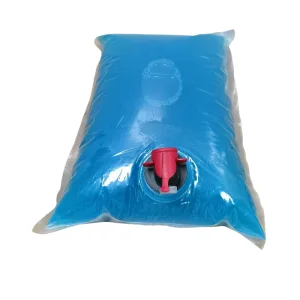
Our drop-resistant Bag-in-Box (BIB) solutions utilize high-strength, multi-layered metalized barrier films. Designed for oils, juices, and bulk liquid products, these bags prevent gas transmission and retain fresh flavors during extended transport.
Dry Goods & Snacks
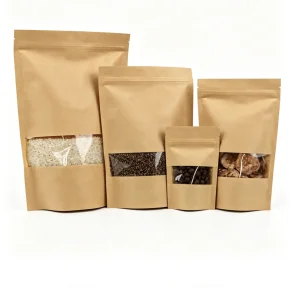
We manufacture puncture-resistant stand-up pouches and gusseted bags featuring reliable, resealable zipper closures. The internal layers are optimized to block moisture vapor and UV light, keeping sensitive contents crisp and extending shelf life.
Pharma & Nutraceuticals
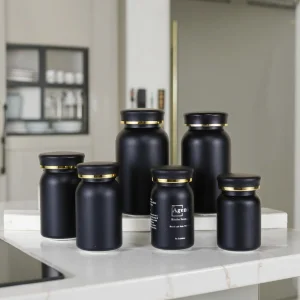
Our high-density PE and PET frosted bottles are engineered for tablet, capsule, and powder packaging. These bottles meet strict pharmaceutical standards, blocking UV light and humidity to preserve active ingredients.
China Factory 4.0: Supply Chain Resilience, Automation & Equipment
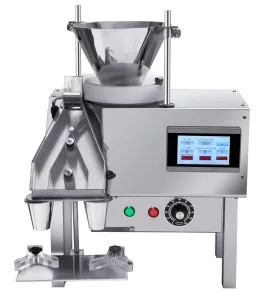
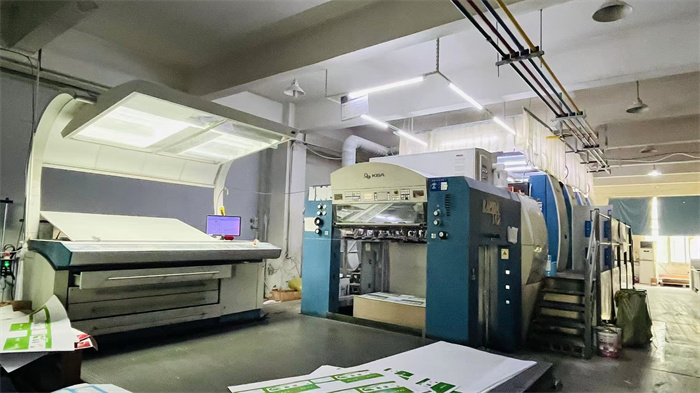
Shenzhen Vault Box Co., Ltd. operates a modern factory utilizing advanced automation to ensure production precision and efficiency. By integrating design, manufacturing, and quality control, we mitigate typical supply chain vulnerabilities. Our production lines feature high-speed six-color printing systems, solvent-free lamination, precision die-cutting, and automated box-forming machinery. This machinery ensures consistent print registration, strong seal integrity, and clean cuts on every run.
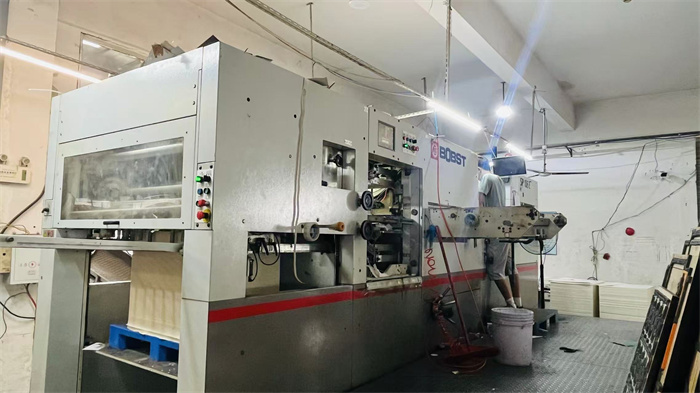
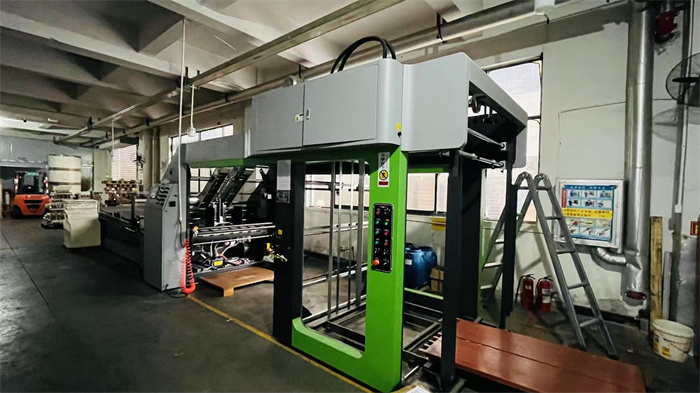
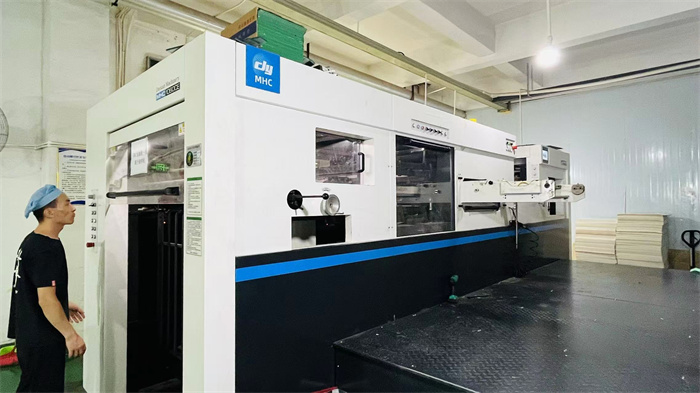
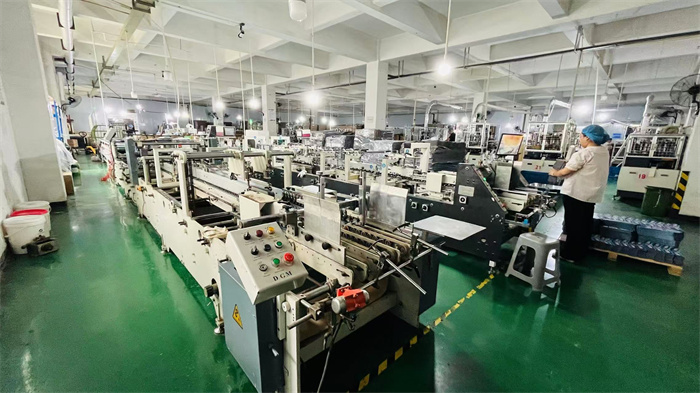
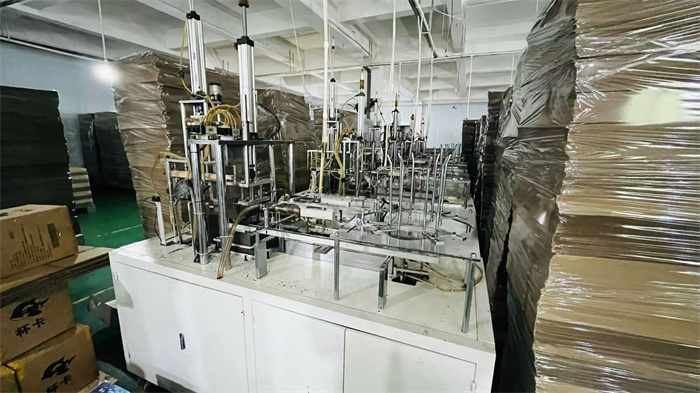
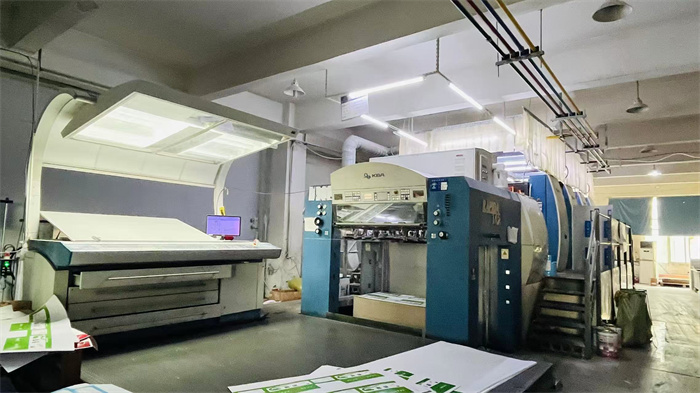
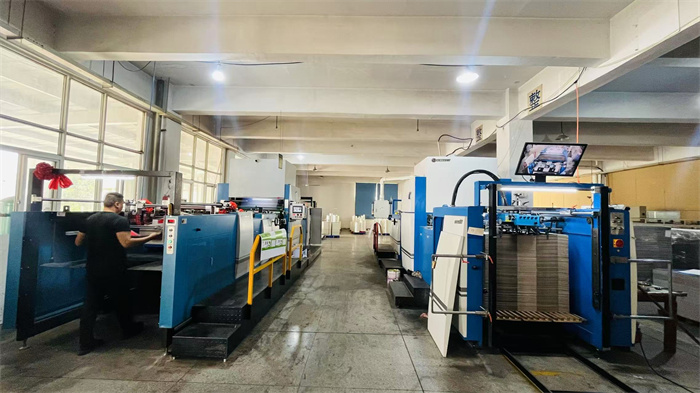
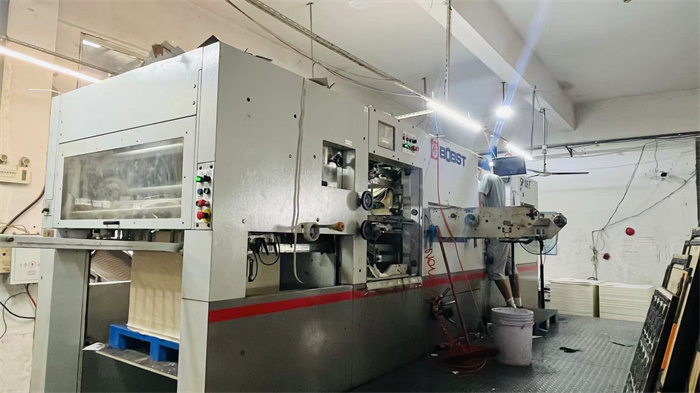
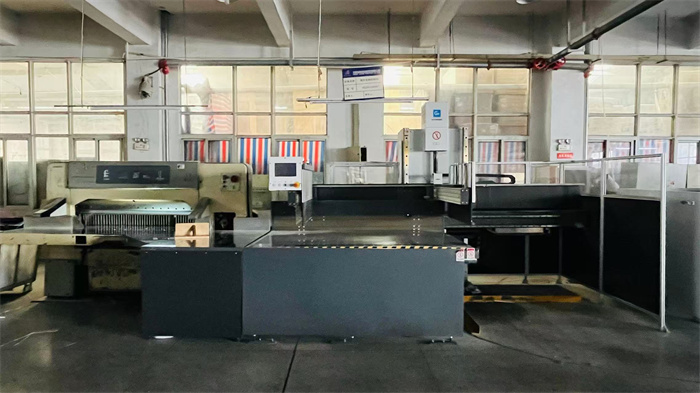
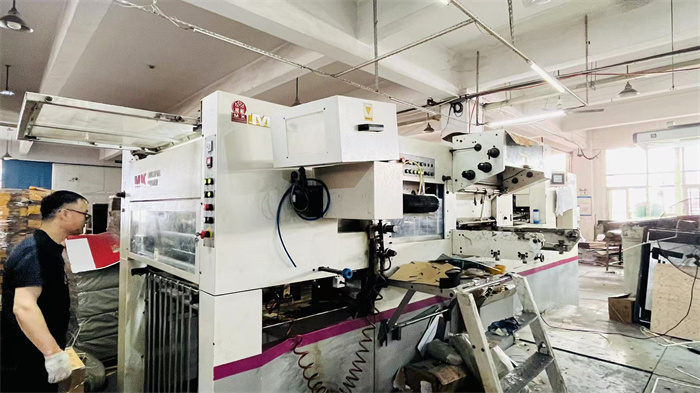
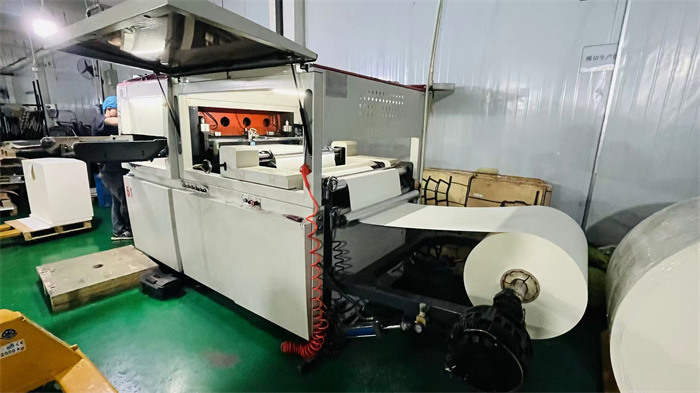
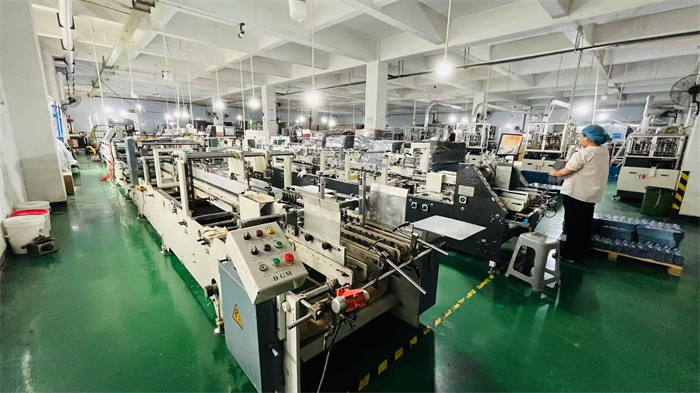
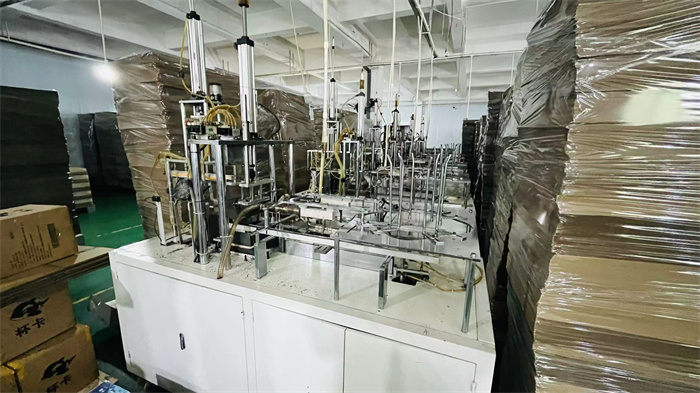
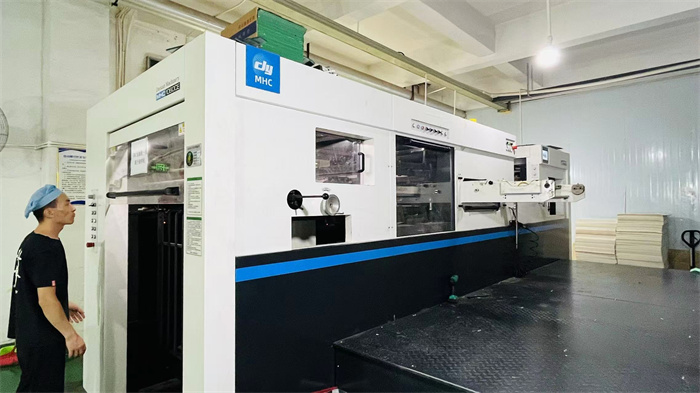
To address global supply chain risks, we maintain partnerships with domestic and international raw material suppliers. This helps ensure stable material pricing and steady delivery schedules, even during peak global demand. Additionally, we implement strict tracing protocols for every batch, which allows us to trace any component back to its original raw material shipment.
Localization Support & Compliance Assurance
Entering new markets requires strict compliance with localized consumer safety and chemical migration standards. A single non-compliant layer can lead to customs holds, fines, or recalls. At Shenzhen Vault Box Co., Ltd., we mitigate these regulatory risks by designing our packaging to meet the specific requirements of destination markets:
We verify all materials, inks, adhesives, and colorants are safe for direct food contact. Our products undergo extractable testing to confirm compliance with FDA regulations for varying temperature classes.
We perform Overall Migration Limit (OML) and Specific Migration Limit (SML) tests to verify that plastic polymers do not transfer components to food stimulants, complying with EU Regulation No. 10/2011.
Our factory cleanrooms and processes comply with ISO 9001 and ISO 22000 hygiene and safety protocols. This structural alignment provides reliable traceability for global audits.
Strategic Procurement Framework for Enterprise Buyers
For procurement managers, evaluating offshore packaging suppliers requires looking beyond basic unit costs. To build a reliable and cost-effective packaging supply chain, we recommend evaluating three key performance parameters:
1. Total Cost of Ownership (TCO) vs. Initial Unit Price
A lower initial price per unit can be quickly offset by high leakage rates, peeling laminates, or production line disruptions. Choosing food-safe packaging with consistent material thicknesses and high seal strength minimizes line downtime and product loss, resulting in lower total costs.
2. Cleanroom Production and Sanitization Standards
To prevent microbial contamination, food-contact packaging should be manufactured in controlled cleanroom environments. Our facilities use HEPA filtration systems, positive air pressure controls, and strict hygiene protocols for staff to prevent foreign particulates from entering the packaging.
3. Custom Engineering and Prototyping Capabilities
Every food product has unique weight, chemical composition, and shelf-life requirements. Our specialized team provides custom prototyping services, creating physical and functional samples to test compatibility, stress-test seal strength, and verify filling line performance before starting volume production.
Frequently Asked Questions (FAQ)
What makes a packaging material certified as "Food Safe"?
Food-safe materials must be manufactured using approved virgin resins and polymers that do not migrate toxic chemicals, heavy metals, or plasticizers into food products. These materials must comply with international standards such as FDA 21 CFR or EU Regulation 10/2011, and pass migration testing using food stimulants under varying temperatures.
How do you prevent contamination during production?
We manufacture our packaging in dedicated cleanrooms with positive air pressure, HEPA filtration systems, and strict hygiene protocols. Our staff wear cleanroom suits, hairnets, and gloves, and we conduct regular microbial swab testing on the machinery to maintain clean production lines.
What is the typical lead time for custom wholesale orders?
Depending on structural complexity, custom orders usually require 7 to 10 working days for prototyping and structural sign-off. Once designs are approved, mass production takes approximately 15 to 25 days, depending on order volume and required post-processing steps.
Can you manufacture biodegradable and 100% recyclable boxes?
Yes. We offer fully recyclable paper and polymer packaging solutions, as well as biodegradable options made from PLA and bio-based plastics. We select these materials to meet the specific recycling rules of your target markets, helping brands achieve their sustainability goals.