Featured Sustainable Packaging Portfolio (Group A)
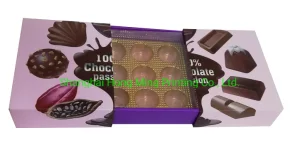
Luxury Packaging Custom Printed Chocolate Box with Plastic Tray Insert
Explore Configuration
Lionwrapack Custom Luxury Gift Box with Ribbon Foldable Apparel Packaging Personalized Clothing Premium Packaging Box
Explore Configuration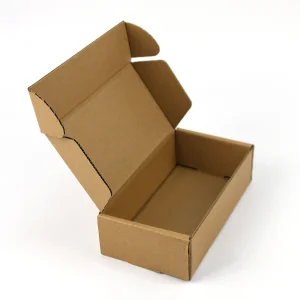
Premium Kraft Mailer Boxes for Delivery of Clothing and Shoes Color Printed Corrugated Custom Shipping Boxes
Explore Configuration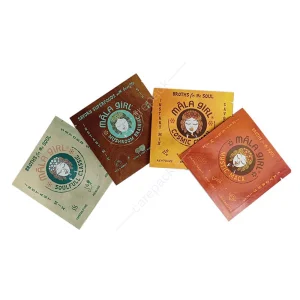
Eco-friendly Custom 100% Biodegradable Kraft Paper PLA Bag Food Packaging Cornstarch Compostable Zip Lock Packaging Bag for Food
Explore Configuration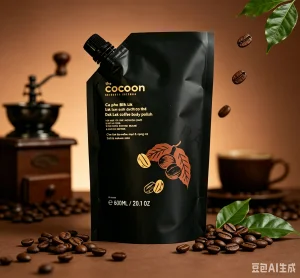
Custom Printed Matte Black Spout Pouch 600ml Stand Up Coffee Body Polish Liquid Juice Packaging For Skincare Cosmetic Storage
Explore Configuration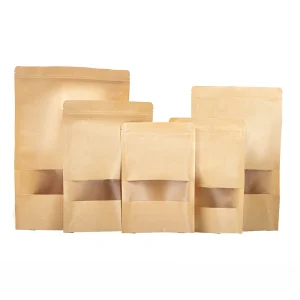
Custom Printed logo Biodegradable Reusable Food Kraft Paper Zipper Bolsas Ziplock Stand up Pouch Bags with clear Window
Explore Configuration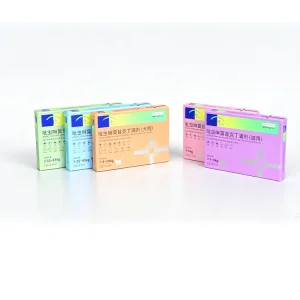
Customized Pharmaceutical and Health Care Products - High-quality Foldable Cardboard Pill Boxes - Factory Printed in Color
Explore Configuration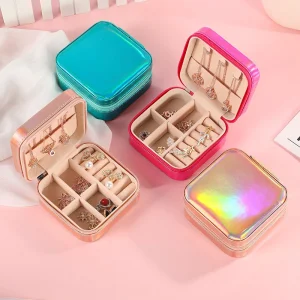
Fashion Jewel Display Box Pu Leather Jewelry Storage Case Custom Earrings Ring Organizer Packaging Cases
Explore Configuration1. Executive Summary & Market Intelligence
The global paradigm shift towards circular economies has established sustainable raw material sourcing as a core pillar of modern enterprise supply chains. Among bio-based alternatives, bamboo-derived and natural fiber composites have progressed from niche green choices to mainstream industrial standards. According to latest lifecycle assessment (LCA) database frameworks, industrial Moso Bamboo (Phyllostachys edulis) features carbon sequestration dynamics that outpace traditional softwoods by up to 35%, making it one of the most effective tools for reducing corporate Scope 3 emissions.
As top-tier Chinese bamboo packaging manufacturers and global exporters, we integrate localized agricultural abundance with automated, precision-engineered manufacturing setups. This synergy mitigates the supply chain volatility associated with wood pulp fluctuations while delivering high-performance properties like structural rigidity, natural antimicrobial behavior, and rapid biodegradation under standard compost conditions.
Ecosystem & Regulation Compliance
Under international policies like the European Union's Packaging and Packaging Waste Regulation (PPWR) and the United States' state-level plastic bans, packaging must offer clear end-of-life options. Our material mixes are designed to meet FSC (Forest Stewardship Council) standards, EN 13432 compostability certifications, and FDA food-contact regulations.
Technical Structural Superiority
Bamboo fibers possess high aspect ratios and tensile strengths comparable to mild steel alloys. By processing raw culms through mechanical pulping and heat-press thermoforming, we create rigid and flexible packaging formats that provide high impact resistance, vibration damping, and shelf-life protection.
Decarbonization Impact
Replacing standard rigid plastics with molded bamboo pulp or composite fiber paperboards can reduce manufacturing-phase carbon footprints by up to 68%. This reduction directly supports carbon-neutral product disclosures and boosts corporate ESG scores.
2. About Shenzhen Vault Box Co., Ltd.
Established in 2008, Shenzhen Vault Box Co., Ltd. is a modern, high-tech packaging and printing enterprise specializing in premium customized packaging solutions. Over the past 15+ years, we have scaled our production facilities to bridge the gap between high-end design aesthetics and sustainable materials.
Comprehensive Operations & Vertical Integration
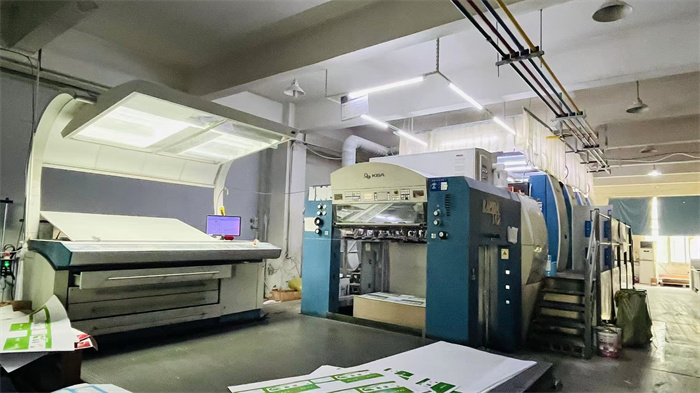
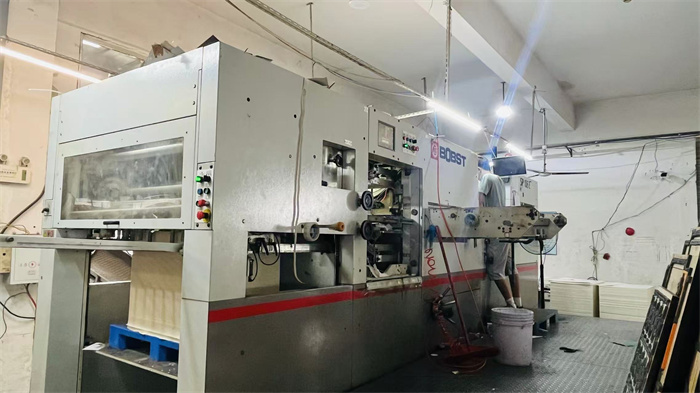
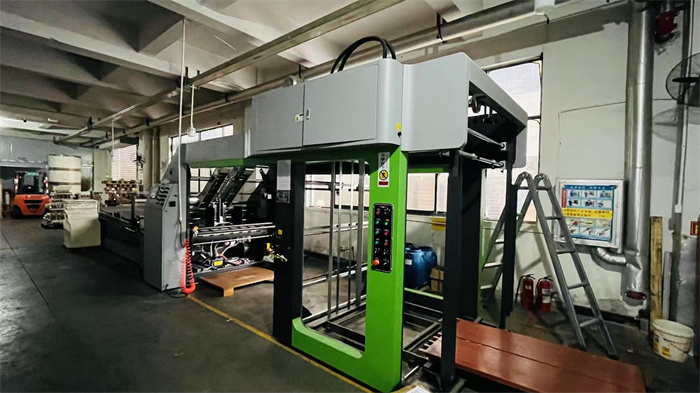
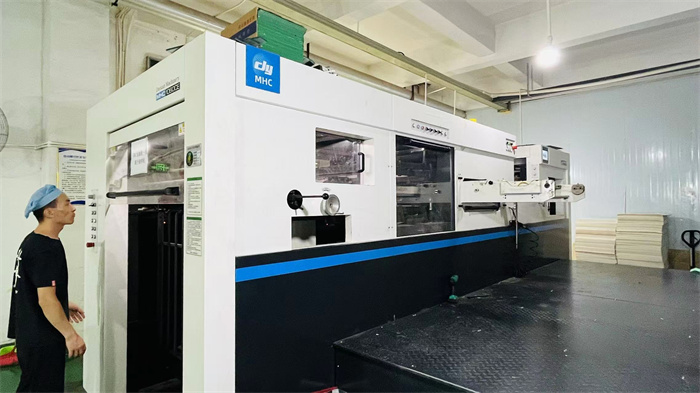
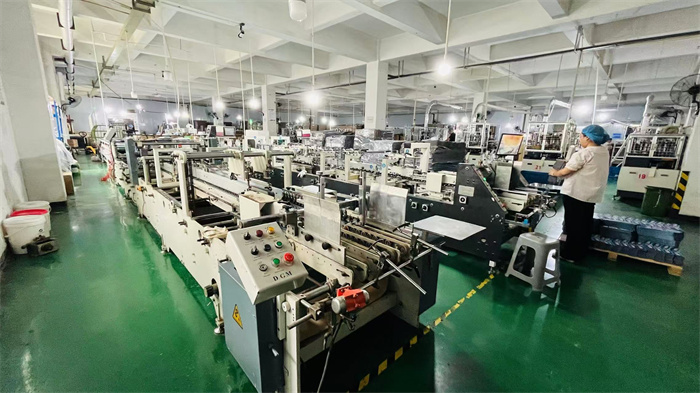
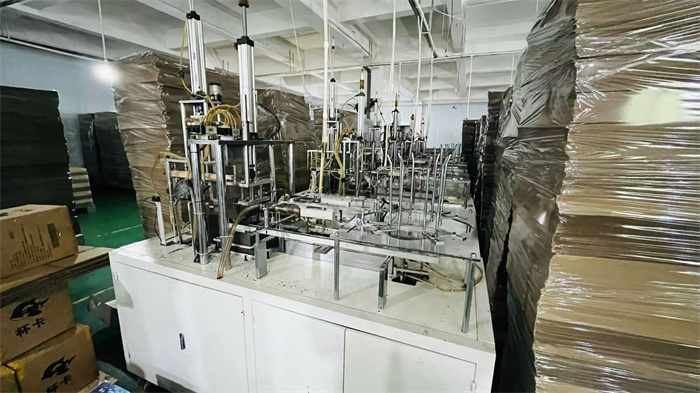
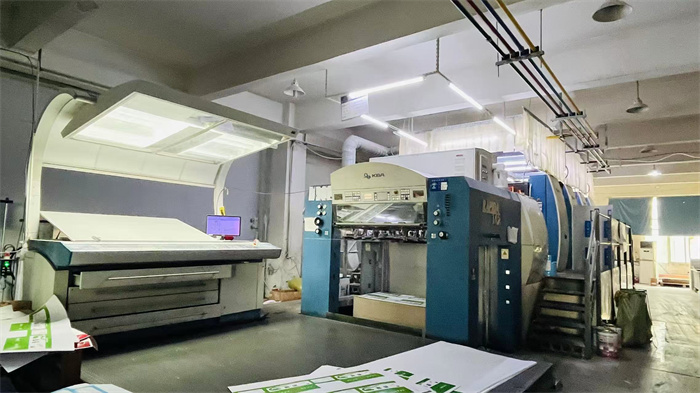
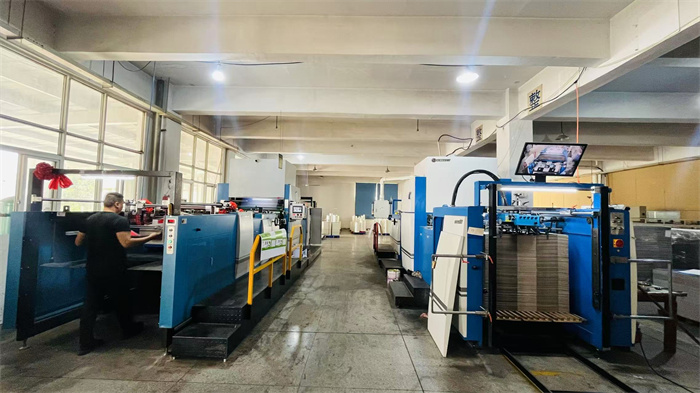
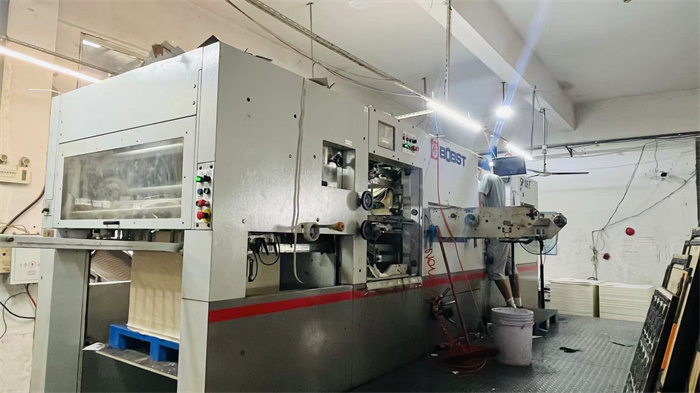
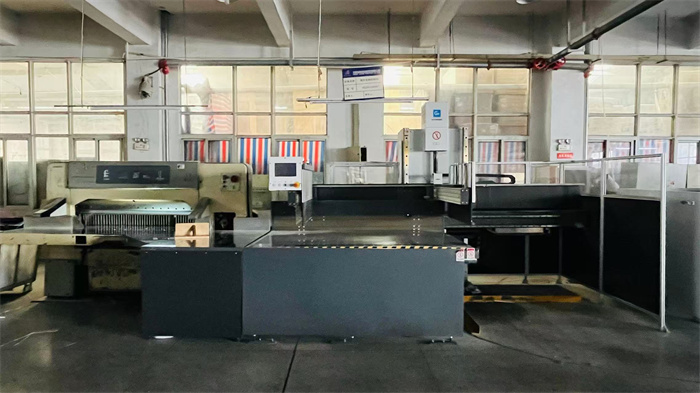
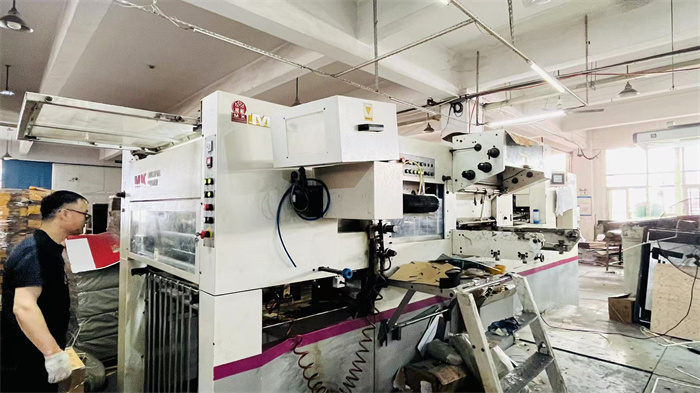
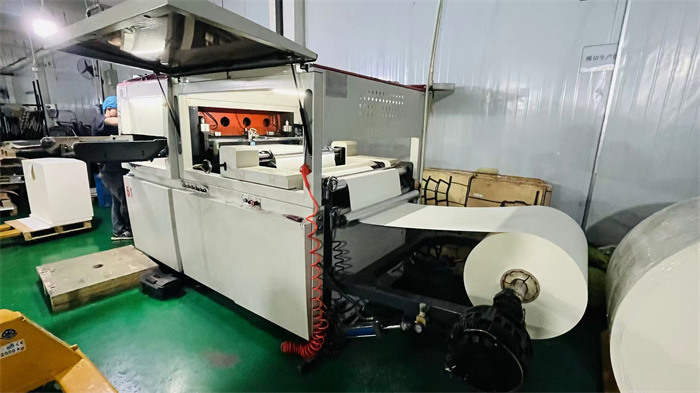
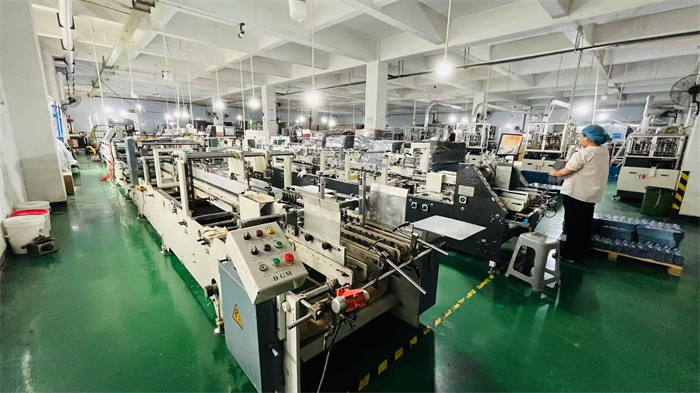
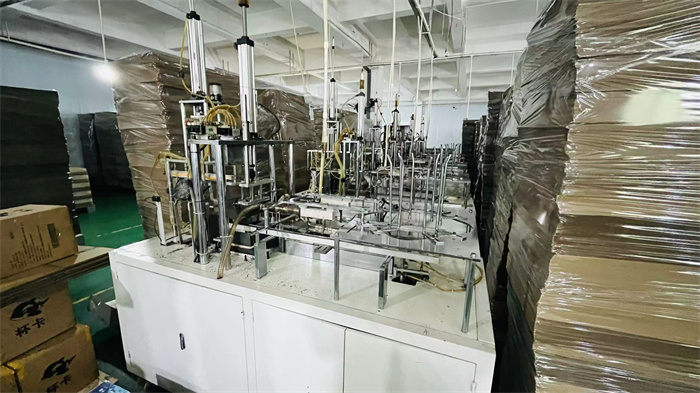
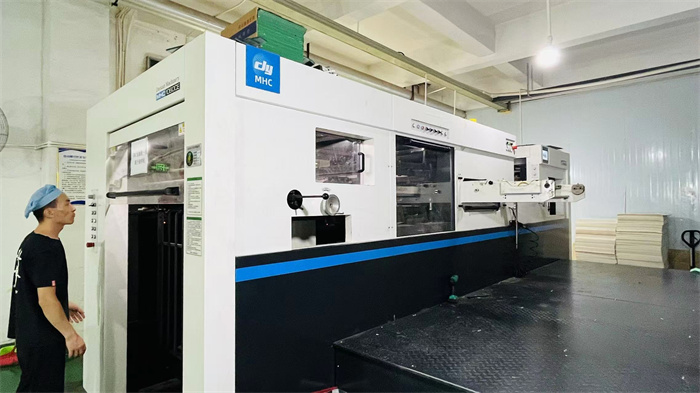
Our facility is equipped with a full set of advanced automated production systems, enabling integrated manufacturing capabilities. This integration covers structural design, creative development, precision printing, post-processing, quality inspection, and global delivery. With over 200 skilled employees and our 18,000 square meter plant, we have established mature production workflows and strict quality standards to ensure stability in every manufacturing run.
Our mission is to help customers enhance product value through innovative, functional, and visually compelling packaging. We provide one-stop service configurations including consultancies, structural engineering, rapid prototyping, mass manufacturing, QA validation, and international logistics. We collaborate closely with brand teams at every step to match local target market demands.
Precision Machinery & Quality Control Systems
3. Structural Scenarios & Industry Implementations
We tailor our bamboo composites, kraft paperboards, and biodegradable polymers to meet the functional and regulatory requirements of specific industries.
Cosmetics & Luxury Outerwear
Luxury brands require rigid boxes with clean edges, tactile finishes, and tight tolerances. By pairing sustainable greyboards and bamboo veneers with spot UV and metallic hot stamping, we produce luxury containers that remain entirely recyclable. Our magnetic closures and fold-flat systems save on ocean freight costs.
Food & Quick-Service Restaurants
For direct food contact, packaging must resist heat, oils, and grease without using synthetic PFAS coatings. We apply thin, natural starches and PLA (Polylactic Acid) barriers to compostable paperboards. This enables our takeout boxes and flexible pouches to preserve freshness while being fully compostable.
Industrial Logistics & Electronics
Heavy goods and fragile electronic assemblies require packaging with high compression strength. We manufacture double-wall and triple-wall corrugated shipping cartons, using bamboo fibers for reinforcement. These options replace EPS (expanded polystyrene) foam inserts with molded pulp trays.
4. R&D Roadmap: The Future of Fiber Technology
Phase 1: Nano-Fibrillated Cellulose (NFC)
We are refining mechanical processing methods to isolate high-aspect-ratio micro-fibrils from bamboo culms. Integrating these micro-fibrils into our paperboard pulp creates highly tear-resistant papers, reducing raw material usage while maintaining package strength.
Phase 2: Water-Based Barrier Coatings
To improve the barrier properties of flexible stand-up pouches and boxes, we are transitioning from standard PLA films to water-dispersible polymer coatings. These aqueous barriers are easily repulped during standard recycling processes.
Phase 3: Automated Zero-Waste Plants
Our long-term development strategy focuses on plant automation. By utilizing waste steam from local pulp processing to power our printing, cutting, and lamination machinery, we aim to establish close to carbon-neutral production loops.
Featured Sustainable Packaging Portfolio (Group B)
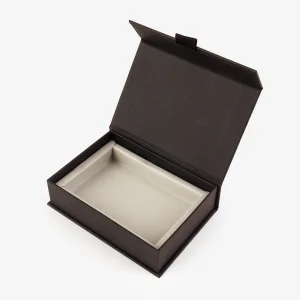
Premium Custom logo Luxury Large Matte Rigid Paper Cardboard Black Foldable Empty Magnetic Folding Closure Gift Box Packaging
Explore Configuration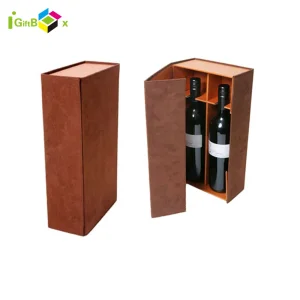
Elegant Custom Wine Glass Packaging for Two Bottles
Explore Configuration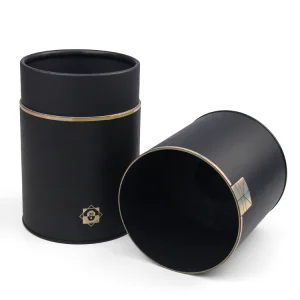
Firstsail Wholesale Custom Black Luxury Beverage Whisky Glass Paper Tube Box Bespoke Wine Bottle Packaging
Explore Configuration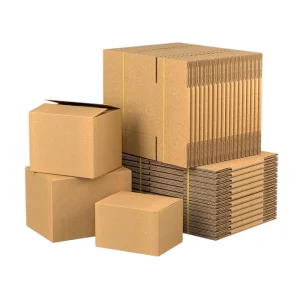
Customized Eco-Friendly Corrugated Logo Box Reliable and Versatile for Corporate Logistics Distribution Scenes
Explore Configuration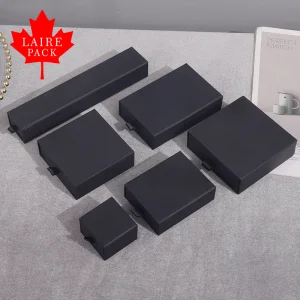
LAIRE Wholesale Printing Cardboard Jewelry Box Custom Drawer Sliding Jewelry Packaging Box
Explore Configuration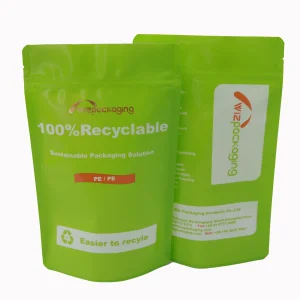
100% Recyclable Eco Friendly Gravure Printed Ziplock Stand up Pouch PLA Bags for Pet Food & Snack Use
Explore Configuration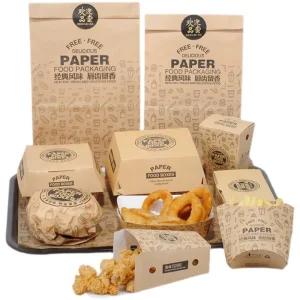
Eco-Friendly Fast Food Packaging: Custom To-Go Boxes for Fried Chicken, Burgers, & French Fries
Explore Configuration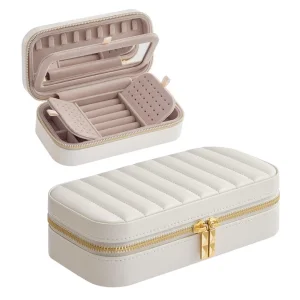
Fast Ship Portable Personalized White PU Leather Jewelry Travel Storage Case Custom Jewelry Organizer Box for Women
Explore Configuration5. Technical Intelligence FAQ
Key information regarding material specs, manufacturing processes, and import logistics.
Bamboo fibers are significantly longer than typical hardwood fibers and feature cell-wall structures similar to softwoods. This molecular configuration results in high tensile strength, burst resistance, and compression tolerance.
In practical applications, this high structural integrity allows for a reduction in material weight. Manufacturers can design boxes with thinner walls that still match the protective ratings of thicker corrugated wood pulp alternatives.
Our raw materials are sourced from managed forests that hold FSC certifications. Our production processes avoid chemical bleaching agents, and we use food-safe, soy-based inks for all color printing.
Our finished biodegradable packaging options are tested by third-party laboratories to meet European EN 13432 and American ASTM D6400 standards, verifying they break down within commercial composting timeframes.
Yes, our automated printing, cutting, and molding lines handle complex shapes, debossing, hot stamping, and multi-color printing.
We use specialized clay coatings and calendered paperboard layers to create smooth surfaces that ensure crisp ink retention and precise register control.
Standard prototype generation takes 3 to 7 working days, while bulk production runs are typically completed within 20 to 30 days after design sign-off.
We configure rigid boxes to ship flat where possible, which optimizes shipping volumes and reduces total logistics costs.