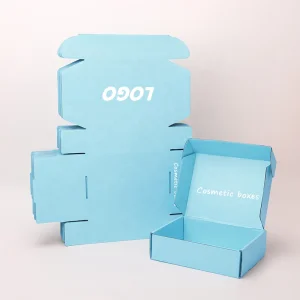
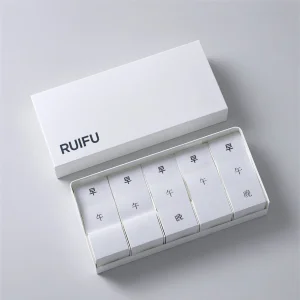
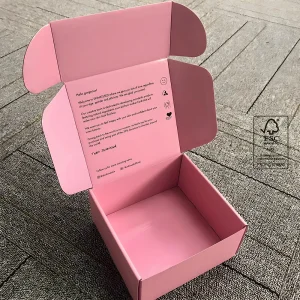
Our Featured Intelligent & Smart Packaging Portfolio
Explore our premium custom designs, manufactured to global standards with CE compliance.


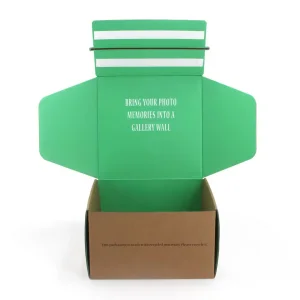

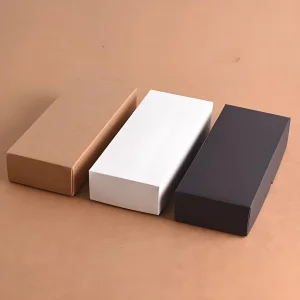
The Global Rise of Smart Packaging & CE Compliance
The global packaging industry is undergoing a historic paradigm shift from static containment to interactive and intelligent systems. As modern supply chains grow in complexity, global brands face increasing demands for real-time visibility, security, and consumer engagement. This paradigm shift has created the multi-billion-dollar field of smart packaging, defined by the integration of active materials, printed electronics, and digital connectivity (RFID, NFC, and dynamic QR codes).
In European, North American, and Asia-Pacific markets, regulatory compliance is no longer optional. CE Certification acts as the primary market entry permit for intelligent packaging, ensuring that integrated electronic components, sensors, or functional chemical indicators meet rigorous EU safety, health, and environmental protection guidelines. Leading enterprises are looking beyond simple decoration; they require packaging that acts as an active, communicating node in their IoT-driven supply networks.
Market Growth Drivers:
- Cold Chain Monitoring: Real-time temperature indicators for biologics, vaccines, and perishable high-end foods.
- Brand Protection: Embedded secure NFC chips and cryptographic tags preventing grey market leakage and counterfeits.
- Circular Economy Requirements: Smart trackability to verify PCR material inclusion and post-consumer sortability.
- Interactive CX: Web3 and dynamic QR codes connecting physical luxury items directly with digital loyalty portals.
Active vs. Intelligent Packaging: Technological Architecture
Understanding the critical distinctions and synergies that drive modern packaging performance.
Active Packaging
Focuses on direct physical or chemical interactions with the product inside. Examples include oxygen scavengers, ethylene absorbers, relative humidity control packs, and antimicrobial coatings embedded directly into natural fiber matrices or plastic laminates to significantly extend product shelf life.
Intelligent Packaging
Applies diagnostic sensors and communication technologies to detect, record, and transmit information about product status or history. Key tools include thermochromic inks, RFID chips, near-field communications (NFC), and smart time-temperature indicators (TTI) verifying continuous cold-chain integrity.
Hybrid Integrated Ecosystems
The peak of modern engineering. Combines active physical barriers with electronic tracking components. These hybrid setups are widely used in critical high-end sectors like pharmaceutical containers and high-value luxury goods packaging, providing both active physical defense and digital transparency.
Shenzhen Vault Box Co., Ltd. - Advanced Industry Solutions
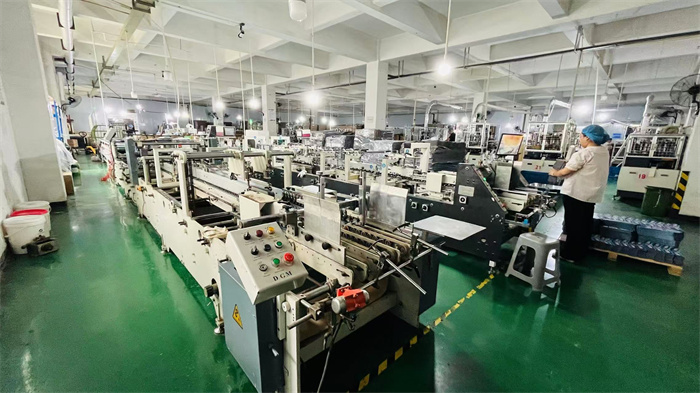
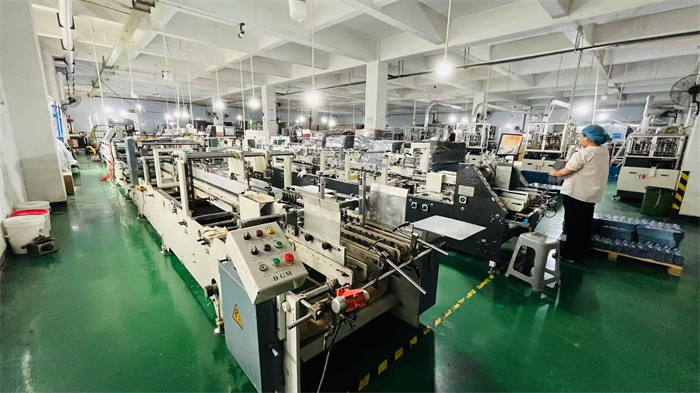
Established in 2008, Shenzhen Vault Box Co., Ltd. is a high-tech, modern packaging and printing enterprise specializing in premium customized packaging. Backed by automated production systems, our manufacturing facility spans 18,000 square meters and employs over 200 skilled professionals in Shenzhen, China.
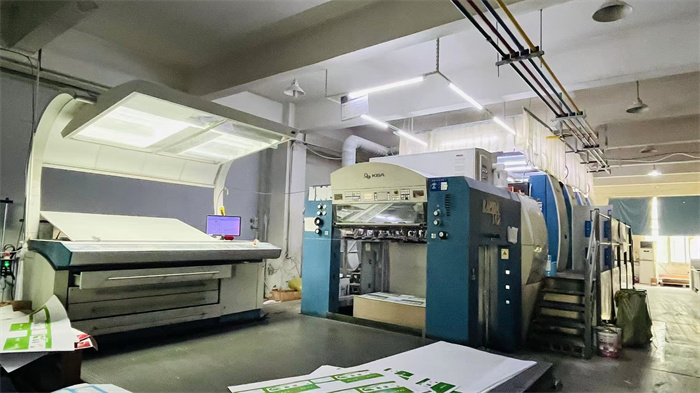
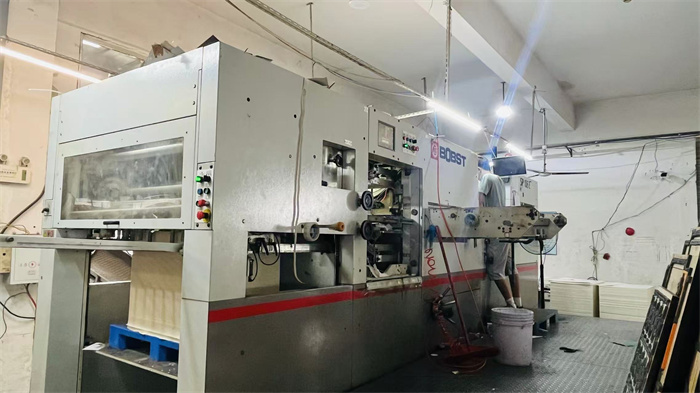
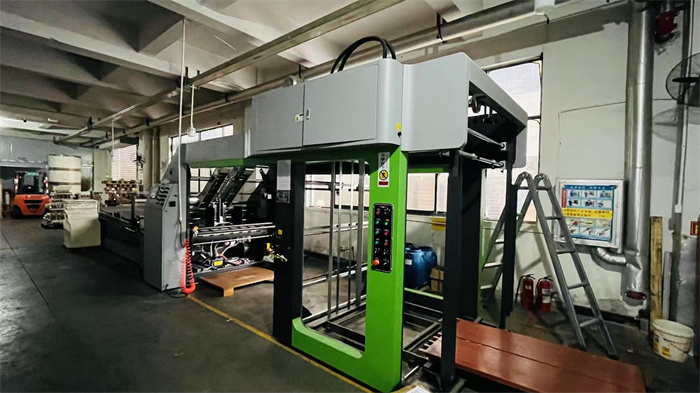
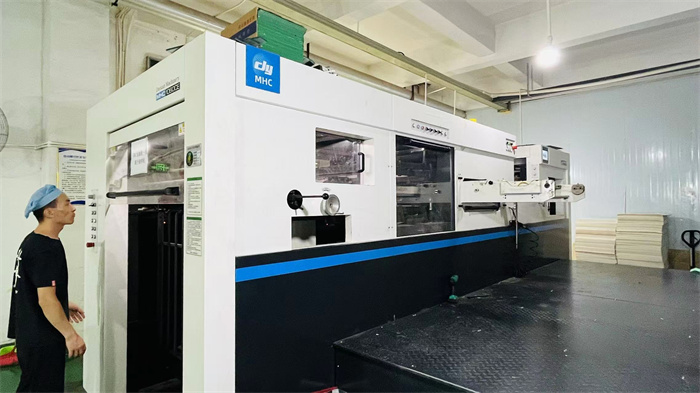
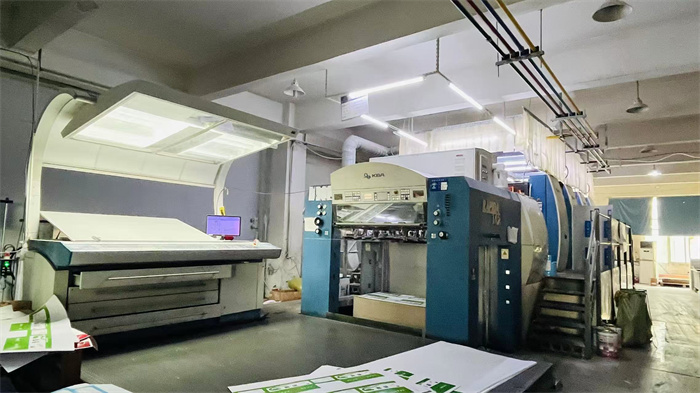
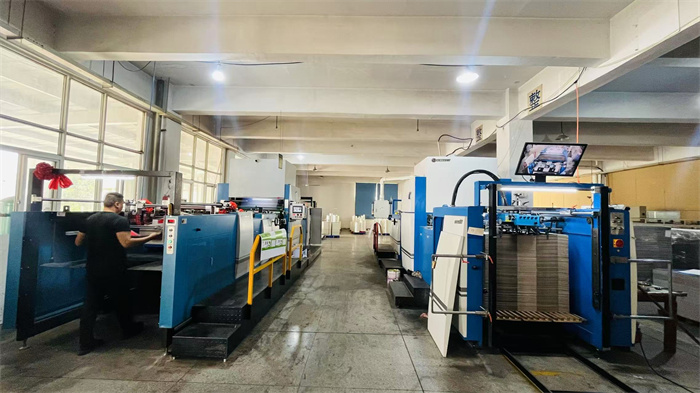
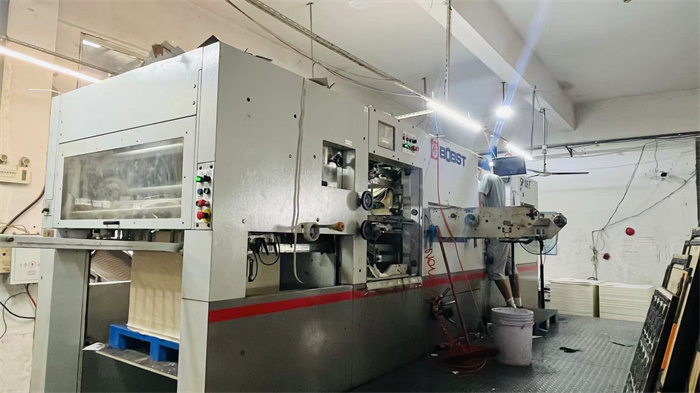
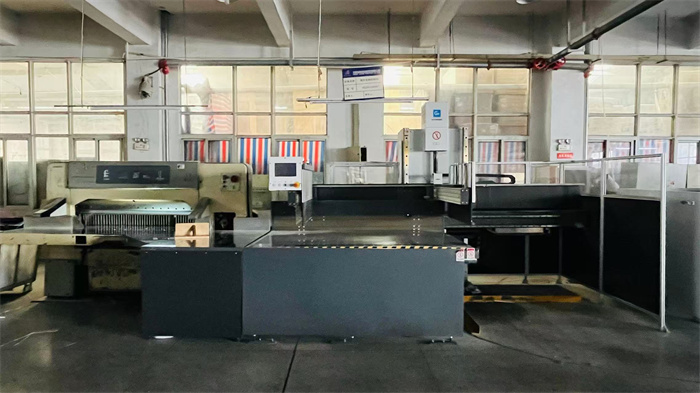
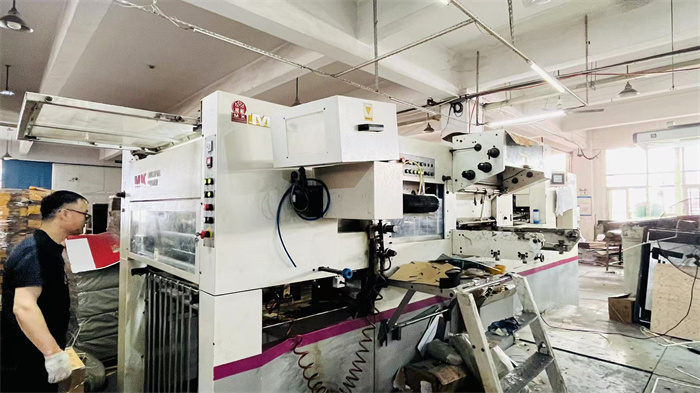
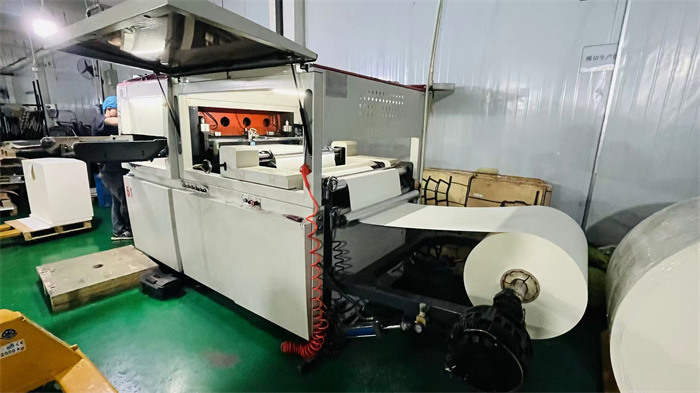
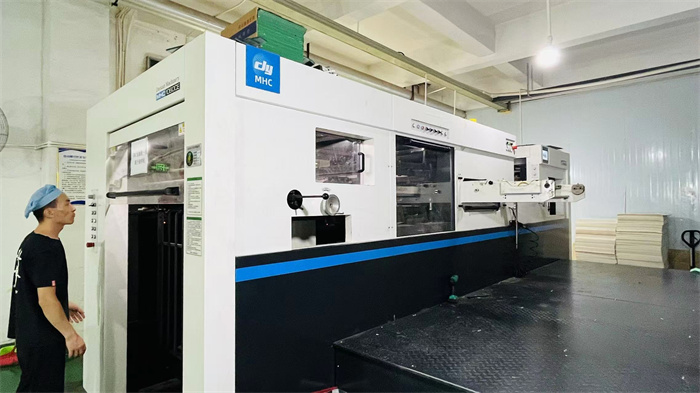
Our facility features advanced six-color printing equipment, high-speed die-cutters, lamination lines, and precise box molding machinery. We manage the entire manufacturing cycle in-house: from initial structural design and chemical material testing to lamination, precision printing, automated post-processing, strict quality control (QC), and worldwide delivery.
Operating from China's primary hardware and printing hub gives us a major competitive edge. We source high-purity, food-grade materials and micro-electronic components at scale, while keeping prototyping, testing, and production highly cost-effective. This allows us to provide international brands with certified smart packaging at accessible price points.
Our Manufacturing Core Strengths
- Automated In-Line Inspection: High-resolution optical sensors automatically detect printing and structural errors in real time.
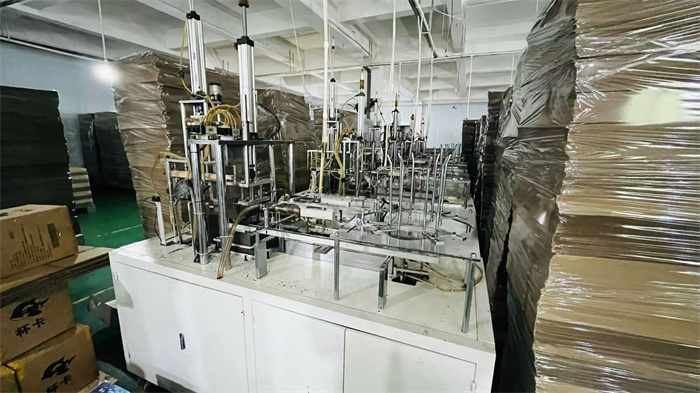
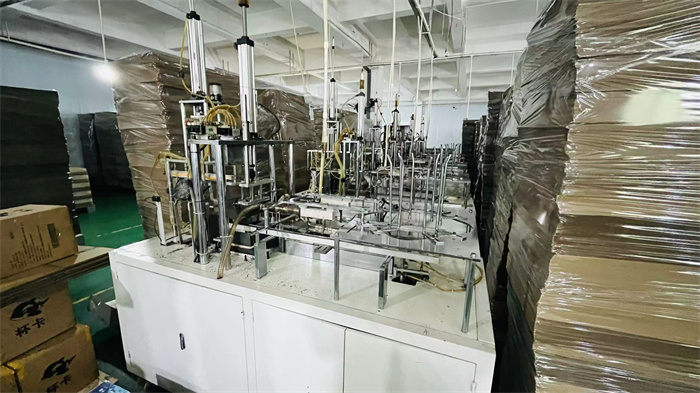
- Custom RFID/NFC Embedded Insertion: High-speed pick-and-place equipment embeds tags within double-wall structures without damaging the packaging design.
- Verified CE and RoHS Compliance: We ensure all integrated active elements, dynamic inks, and electronics meet CE marking directives.
- Eco-conscious Material Engineering: Biodegradable materials, sugarcane bagasse, and FSC-certified paper boards.
Targeted Industry Scenarios & Applications
How global industries apply smart packaging solutions to improve product safety, supply chain control, and brand engagement.
Pharmaceuticals & Medical
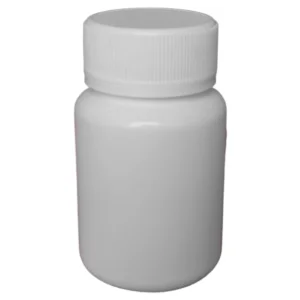
In medicine, packaging must do more than hold a product—it must actively protect it. Using high-density polyethylene (HDPE) containers and glassine pouches helps ensure moisture and chemical barriers remain intact.
Integrating smart temperature indicators and RFID labels allows pharmaceutical companies to track cold-chain compliance and verify pill safety through real-time logistics networks.
Luxury Brands & Cosmetics
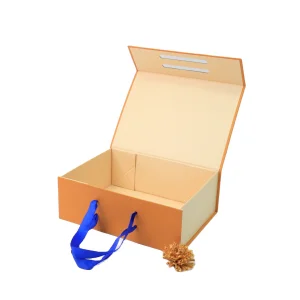
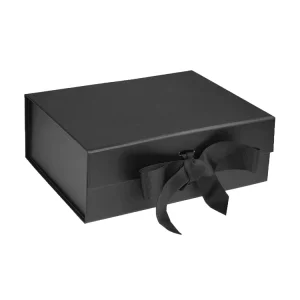
For premium cosmetics, perfume glass lines, and luxury gifts, packaging serves as the physical face of the brand. We design and manufacture magnetic gift boxes that balance aesthetic appeal with secure authentication.
By integrating invisible RFID tags within the structural core, brands can protect against counterfeits, secure grey-market channels, and offer customers direct access to digital product verification.
Food & Sustainable Logistics
E-commerce and food service demand robust, circular materials. Our water-resistant and oil-resistant sugarcane bagasse plates, alongside biodegradable corrugated shipping boxes, are engineered to reduce reliance on single-use plastics.
Adding smart QR codes directly to outer packaging lets consumers view the complete lifecycle of their food or product, from farm origin to municipal recycling instructions.
Precision Smart Packaging Production & Equipment
Inside our advanced production facilities: showcasing our focus on machinery precision and structural quality control.
B2B Smart Packaging Procurement Strategy
Procuring smart packaging requires balancing cost efficiency, logistics performance, and regulatory compliance. B2B sourcing managers face unique challenges when verifying technical specifications and quality standards.
When selecting a supplier, look for verified manufacturing certifications and clear supply chain processes. This ensures components perform reliably during shipping, customs checks, and consumer use.
- CE Compliance Certification: Essential for products with integrated sensors, batteries, or electronic chips sold in Europe.
- Component Testing: Smart components must endure humidity, temperature swings, and vibration testing.
- Material Traceability: Clear supply chain documentation for FSC paperboard, ocean plastics, and bio-based resins.
- System Compatibility: The RFID/NFC hardware must integrate smoothly with major inventory software platforms.
Sourcing Guidelines for International Supply Chains
Modern logistics demand structural packaging that is both physically durable and digitally functional. Procurement teams should work closely with manufacturers during the early planning stages. This ensures active materials (like desiccants or oxygen scavengers) or microelectronics are integrated directly into the packaging structure, protecting delicate smart features from damage.
By prioritizing structural durability, brands can reduce transit damage, minimize product spoilage, and ensure RFID or NFC components remain functional from the factory floor to the final consumer.
At Shenzhen Vault Box Co., Ltd., we provide comprehensive structural prototyping and electronic verification tests. This gives procurement managers confidence that large-scale production runs will meet performance and regulatory standards.
Future Outlook: Sustainability & Digital Integration
Key technological trends driving the next generation of smart packaging solutions.
Printed Electronics & Antenna Tech
Traditional copper and aluminum antennas are increasingly replaced by silver and carbon-based conductive inks. This transition allows antennas to be printed directly onto paperboard substrates, improving recyclability and reducing manufacturing costs.
The Rise of Smart Bio-Polymers
Research is focused on integrating active properties directly into compostable polymers. Sustainable materials, like sugarcane bagasse and plant-derived PLA, are being engineered with natural antimicrobial compounds to preserve freshness without relying on synthetic chemicals.
Cloud-Connected Supply Chains
By matching unique QR codes with product-level RFID identities, brands can track single units throughout their lifecycle. This yields valuable data on distribution efficiency and post-purchase consumer behavior.
Frequently Asked Questions (FAQ)
Addressing the technical, regulatory, and logistics questions most relevant to professional buyers.
Additional Smart & Sustainable Packaging Options
Explore our wider range of medical, cosmetic, and sustainable supply chain options.