A small business can love the look of a custom box and still wince at the invoice. One-color printing, a custom insert, and a low order quantity can push the per-unit price far above a plain stock carton. Why? Setup, materials, design work, and production time do not shrink neatly with the order. A useful way to express print analyst Sean Smyth’s perspective is: “Short runs carry setup costs across fewer units, so each package costs more.” This is a paraphrase, not a verbatim quotation.
That helps answer the question, “why is custom packaging so expensive for small business,” but it is only part of the picture. A sample box may need several revisions before the lid fits snugly. A specialty paper can look beautiful under showroom lights, then show scuffs after shipping. And a minimum order may leave a new brand storing cartons it cannot use. Small details add up. Sometimes, the expensive choice is not the printed box itself, but a mismatch between packaging and the product, sales volume, or fulfillment process.
This guide explores seven practical cost drivers, from tooling and print setup to shipping and supplier minimums. It also considers where spending can improve protection or the customer experience—and where it may not. Prices vary by supplier and order size, so treat estimates as starting points, not promises. One honest caveat: custom packaging can be worth the cost, but not for every launch.
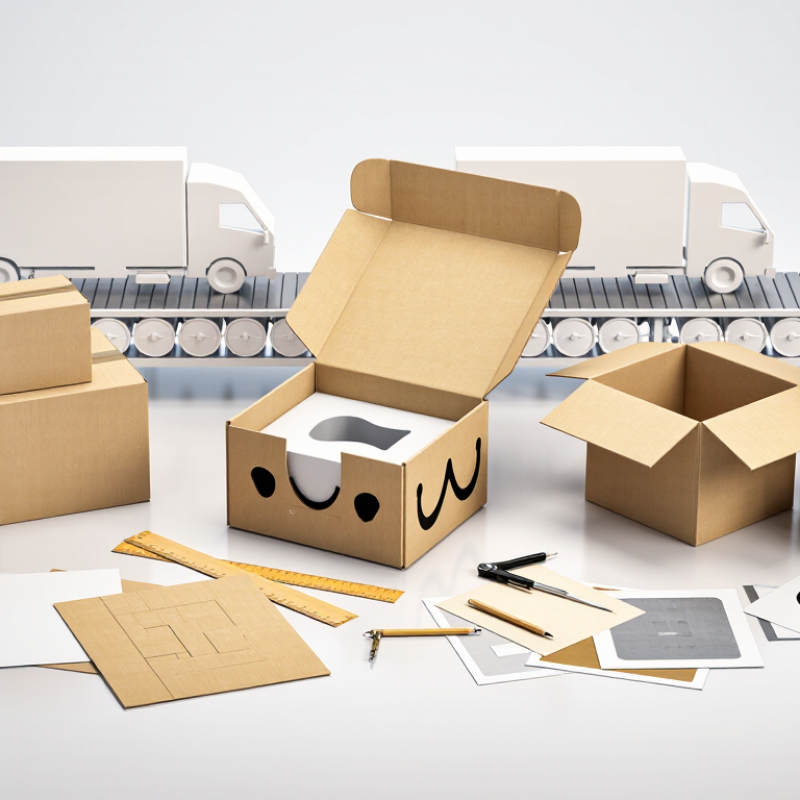
Custom packaging for a small business is more than a printed box. It may include the outer carton or mailer, tissue paper, product sleeves, labels, protective padding, and an insert with care instructions. A candle seller, for example, might need a snug divider, a clear warning label, and a card that prevents the glass jar from shifting. Each part should suit the product’s weight, shape, and shipping route.
Design work can be part of the package too. This may involve choosing colors, preparing print-ready artwork, checking text size, and reviewing a sample before ordering. Small details matter. A logo can look sharp on screen but become hard to read on a narrow label. A test shipment can reveal crushed corners or excess empty space. These checks take time, and that time can affect cost.
Order quantity also changes what is practical. Custom printing often involves setup work, while small orders spread that cost across fewer pieces. Businesses may also pay more for special finishes, unusual sizes, or several packaging components. Not every product needs all of them. A simple mailer and one protective insert may be enough, though I would still test the fit; it is easy to assume a package is secure until it takes a rough journey.
Custom packaging often costs more for small businesses because design and setup expenses are spread across fewer units. A designer may need to prepare dielines, check print areas, and adjust artwork to the exact box shape. These steps happen before production begins. Even a simple kraft carton needs careful measurements around folds, glue tabs, and product fit. Small batches feel expensive.
Setup adds another upfront layer. Depending on the material and process, printers may charge for plates, cutting dies, color matching, or machine calibration. A physical sample can reveal that a label sits too close to an edge or that a box needs stronger board. Fixing the file early is usually cheaper than reprinting, but estimates may change after testing. One easy mistake is overlooking how much space the packaging takes during shipping.
Tips: Request a written breakdown for design, tooling, samples, and repeat orders. Ask whether approved artwork can be reused, and review one physical sample before committing. Keep the first design simple. Small details can wait until sales justify another print run.
| Cost Factor | Design or Setup Work | Why It Creates an Upfront Cost | When the Cost Is Usually Incurred |
|---|---|---|---|
| 1. Structural design and prototyping | Developing the package’s dimensions, folds, closures, inserts, and protective features; making samples to check fit and function. | Design time and physical prototypes may be needed before production can begin. A more complex shape or insert generally requires more development than a standard stock box. | During product development, before the production run. |
| 2. Custom artwork and file preparation | Creating or adapting graphics, setting up print-ready files, and checking bleed, color, fonts, and layout against printer specifications. | Artwork often needs professional preparation and review. Revisions may add design time, particularly when the packaging has multiple panels or print areas. | Before printing; substantial redesigns can create additional costs later. |
| 3. Printing plates, dies, and tooling | Preparing production-specific tools, such as printing plates or a cutting die, depending on the packaging material and manufacturing process. | Some processes require custom tools to transfer artwork or cut and crease the package. These setup items are separate from the cost of producing each finished unit. | Before the first production run; tooling may sometimes be reused for repeat orders if the design remains unchanged. |
| 4. Minimum order quantities | Ordering packaging in the quantity required by the supplier’s production process or purchasing terms. | Custom production may have a minimum run. A small business can therefore need to pay for more units than it immediately needs, tying up cash and storage space. | At order placement, before the packaging is delivered. |
| 5. Color matching and print approval | Reviewing proofs or samples and checking that colors, placement, and legibility meet the approved design. | Proofing and color adjustments can involve extra production steps or revisions. The level of control depends on the printing method, material, and supplier’s process. | During pre-production approval; changes after approval may require a new proof or revised setup. |
| 6. Material and finish selection | Choosing board, paper, or other packaging material, along with finishes such as coatings, foil, or embossing where available. | Special materials and added finishing steps can require separate setup, sourcing, or handling. They may also affect which production process is suitable. | When specifications are finalized and the production order is prepared. |
| 7. Testing and compliance checks | Checking package fit, durability, shipping performance, and any applicable labeling or material requirements for the product and market. | Testing, sample reviews, or professional checks may be needed before committing to a full run. Requirements vary by product, destination, and packaging type. | During product and packaging development, and when requirements or package specifications change. |
Note: Custom packaging costs vary by material, printing method, order quantity, design complexity, supplier, and location. The table describes common cost drivers; actual charges and whether setup fees are reusable should be confirmed with the packaging supplier.
Small packaging orders often cost more per unit because setup expenses are spread across fewer pieces. A printer may need to prepare files, calibrate equipment, test colors, and approve a sample whether you order 200 boxes or 2,000. Those tasks take real time. Materials also come in standard sheet or roll sizes, so a short run can leave usable stock behind. You may still pay for part of that unused capacity.
The price difference is not always a simple small-order penalty. A rigid box with foil stamping may require tooling and hand finishing, while a plain folding carton needs fewer setup steps. Ask for a quote that separates setup, materials, printing, and finishing. Then compare the same dimensions and specifications at two quantities; otherwise, a lower quote may reflect thinner board or fewer color options. Consider whether a larger order can be stored safely and used before the design changes. This is not always practical. Cash flow and storage matter. One common misstep is ordering too much to lower the unit price, then discarding packaging after a product update. A modest run can be the wiser choice, even when each piece costs more.
Illustrative cost model: a $240 fixed setup charge plus $0.80 per unit. Per-unit costs are calculated from these assumptions and rounded to the nearest cent; they are not an industry average.
Fixed setup costs are spread across the order. With fewer units sharing that charge, each package carries a larger share of the initial cost.
Custom packaging often costs more for a small business because each production choice affects the price per box. Material is a major factor. A sturdy, heavier paperboard can protect a glass jar better than a thin carton, but it also costs more to buy, ship, and store. Recycled or specialty stocks may have different minimum order quantities, so ask for a sample before committing. Feel matters, but so does fit.
Printing adds another layer. A one-color design usually needs less setup than several colors, while small orders can make setup costs noticeable on every unit. Digital printing may suit short runs; other methods can become more economical at larger volumes. The break-even point varies by supplier and design. Request quotes at more than one quantity, and compare the same specifications.
Finishes can raise costs quickly. Foil, embossing, soft-touch coatings, and spot gloss may require extra tooling or production steps. They can make a package feel distinctive, but they are not always worth the added expense. A matte coating may also show scuffs in transit. It is easy to underestimate that detail. Ask for a finished sample, not just a screen preview, and check how the package looks under ordinary shop lighting. Sometimes the plain version works better; that can be disappointing, but it is useful to learn before ordering hundreds.
Custom packaging can raise shipping costs when box dimensions increase, even if the product is light. Carriers often price parcels by dimensional weight, so extra empty space can matter. Pitney Bowes’ 2024 Parcel Shipping Index reports 21.7 billion U.S. parcels in 2023. In a busy delivery network, a box that is awkward to stack may also need extra handling. A slightly oversized carton can feel safer, but that instinct may cost more than it protects.
Storage creates another expense. Large or irregular cartons use more shelf and pallet space, and they can reduce how many orders fit in a vehicle. The 2024 CSCMP State of Logistics Report estimates U.S. business logistics costs reached $2.3 trillion in 2023, or 8.7% of GDP. That figure covers logistics broadly, not packaging alone, but it shows why small inefficiencies add up. Product-specific labeling, material specifications, and transport testing can add design and approval costs, too. Requirements vary by product and destination, so confirm them before ordering a large print run.
Tips: Test a few carton sizes with real products, void fill, and shipping labels. Measure packed parcels, not empty boxes. Ask your carrier how dimensional weight applies to your shipments, and check pallet fit before approving the final design. Keep a small allowance for damaged samples or a design revision; estimates are not always perfect.
It may include a mailer, tissue paper, product sleeve, labels, protective padding, or care card. A candle might need a divider to keep its glass jar from shifting.
Yes. Artwork preparation, text checks, and sample reviews take time. A small label can make a logo difficult to read.
Setup costs are spread across fewer pieces. Special sizes and extra components can raise the price too. It depends.
Heavier paperboard may protect a glass item better, but it costs more to buy, ship, and store. Request a sample before choosing a material.
Foil or embossing can add visual appeal, but extra production steps increase costs. A plain finish may work better, though that can feel disappointing.
Extra empty space can increase dimensional weight, even when the product is light. Measure a packed parcel, not just the empty box.
Pack the real product with its padding and shipping label, then send a test parcel. Check for crushed corners, shifting items, and scuffed surfaces.
Large cartons use more shelf and pallet space. Product labels, material checks, and transport testing may also add costs. Estimates can miss things; I might be overthinking this, but leave room for revisions.
Custom packaging can give a small business a distinctive look, but its price includes more than the box or bag itself. Design work, sample revisions, and printing setup often create upfront costs before production begins. Smaller businesses also tend to order fewer units, so setup expenses are spread across fewer packages, increasing the price of each one. This helps explain why is custom packaging so expensive for small business, especially when comparing it with standard, mass-produced options.
The choice of materials and printing methods also affects the total. Specialty papers, protective materials, detailed colors, and finishes such as foil or coating can raise production costs. Beyond manufacturing, businesses may need to account for shipping bulky packaging, storing inventory, and meeting practical labeling or handling requirements. Planning these expenses alongside order quantities, packaging needs, and available storage can help small businesses choose custom packaging that fits both their brand and their budget.
