How to Waterproof Cardboard Shipping Boxes for Global Shipping?

Time:2026-10-21 Author:Amelia
0%

Global shipping exposes cardboard boxes to rain, condensation, humid warehouses, rough handling, and sudden temperature changes. A box that survives a dry domestic route may soften before reaching a coastal destination. Learning how to waterproof cardboard shipping boxes therefore requires more than adding plastic wrap. It requires material selection, careful sealing, and realistic testing.

Dr. Susan Selke, a packaging scientist and author, captures the principle clearly: “Packaging must protect the product throughout distribution, not just on the shelf.” Her view matters because moisture protection must support the entire shipping journey. This guide examines water-resistant coatings, polyethylene liners, waterproof carton tape, sealed seams, and moisture-absorbing packets. It also explains when each option becomes practical, expensive, or unsuitable.

Small details matter. A sealed flap can fail when tape touches dusty cardboard. A liner can trap condensation inside the box. Waxed surfaces may resist water, but they can complicate recycling and printing. No method is perfect. Testing remains essential.

Try a controlled spray test first. Then place the packed box in a humid area for several hours. Check the corners, bottom panel, tape joints, and inner packaging. For valuable shipments, use drop testing and simulated transit conditions before scaling up. I would not trust appearance alone. A dry exterior can hide softened fibers beneath the surface.

The right solution balances moisture resistance, product weight, destination climate, handling conditions, sustainability goals, and budget. This introduction provides a practical foundation for choosing dependable protection without making unrealistic promises.
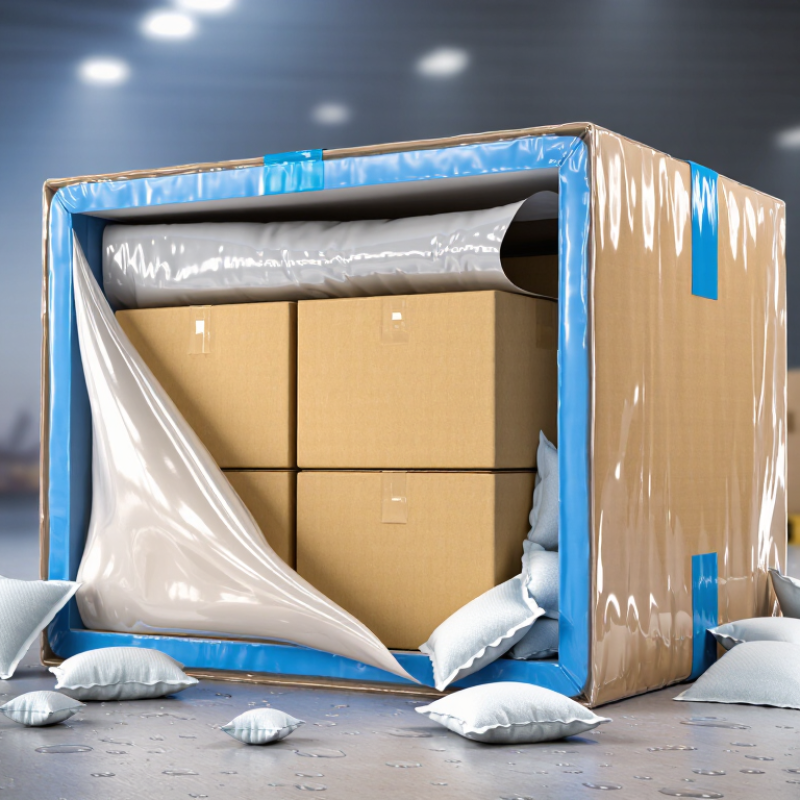
How to Waterproof Cardboard Shipping Boxes for Global Shipping?

Assess Cardboard Box Materials and Waterproofing Requirements

Before waterproofing a cardboard shipping box, assess its material and load first. A single-wall box may suit lightweight goods, but heavier products often need double-wall corrugated board. Check edge crush strength, burst strength, flute direction, and recycled-fiber content. Recycled fibers can lose performance after repeated moisture exposure.

Water resistance must match the shipping route. ISO 535 measures paper water absorption through the Cobb test, commonly over 60 seconds. Higher absorption means weaker protection against rain, condensation, and wet warehouse floors.

For controlled evaluation, ISO 2233 recommends conditioning packaging at 23°C and 50% relative humidity. I would also test sealed samples under vibration, compression, and drop conditions described by ISTA parcel protocols.

Seal every panel joint carefully. Use moisture-resistant tape, waterproof liners, or a thin recyclable coating where practical. Do not coat only the outside surface; exposed bottom edges often absorb water first.

In pack-out trials, a box can look dry while its inner flutes soften quietly. That is easy to miss.

There is no universal waterproofing level. A short air shipment may need less protection than a humid ocean route.

I once underestimated condensation risk inside a sealed box. The carton survived rain but failed after temperature changes. Retesting is necessary, especially when board suppliers or product weights change.

Prepare the Box Surface Before Applying Waterproof Protection

Before waterproofing a cardboard shipping box, inspect every panel, fold, and seam. A strong coating cannot repair crushed fibers or weak corners. Replace boxes with deep dents, soft spots, or separated layers.

Remove dust with a dry, soft brush. Wipe greasy marks lightly, but avoid soaking the cardboard. Let the surface dry completely. Even slight moisture can trap water beneath protective layers. Flatten raised fibers with gentle pressure. Cut away loose paper edges. Seal torn areas with suitable packing tape, keeping the surface smooth.

Labels, old tape, and heavy ink can reduce adhesion. Remove them when possible. If removal damages the outer paper, patch the area carefully and let it settle. Keep the box in a dry room before treatment. Cardboard exposed to humid air may feel dry but still hold moisture inside. A moisture meter helps, although I do not always have one available.

Test the waterproofing material on a hidden section first. Check for curling, staining, or softening after it dries. Pay special attention to bottom flaps and vertical seams. These areas often fail during long handling and changing climates. I once rushed this preparation and found small bubbles under the coating later. The box looked protected, but its surface was not ready. Allow enough drying time, even when the packaging schedule feels tight.

Apply an Exterior Waterproof Coating or Protective Layer

How to Waterproof Cardboard Shipping Boxes for Global Shipping

Cardboard boxes face rain, condensation, and rough handling during international transport. An exterior waterproof coating adds a useful barrier against surface moisture. I prefer water-based acrylic or polymer coatings for many shipping applications. They spread evenly and usually preserve the box’s folding strength. Apply the coating after assembling the box, not before. Cover the top, bottom, corners, and exposed cut edges carefully.

Let the first coat dry fully before adding another layer. A damp coating can soften cardboard and weaken the flaps. Pay special attention to tape lines and handle openings. These areas often allow water to enter first. Test one coated box with a spray bottle and a small weight inside. This practical check reveals weak seams before shipment. Waterproofing is not magic; prolonged immersion can still damage the box.

Tips: Use a clean, dry surface. Keep the coating thin. Avoid blocking barcode areas. Allow extra curing time in humid weather. Test coated cartons under realistic pressure and handling conditions. I once underestimated corner abrasion, and the coating failed there. That mistake showed why testing should include rubbing, stacking, and temperature changes.

How to Waterproof Cardboard Shipping Boxes for Global Shipping?

Cobb60 water absorption targets for common exterior protection approaches. Lower values indicate better short-term resistance to rain and splash exposure.

An exterior waterproof coating or protective layer can substantially reduce water uptake. Final performance depends on coating coverage, board grade, seams, closures, handling time, and humidity conditions.

Seal Seams, Edges, and Openings Against Moisture

Global shipping exposes cardboard to rain, condensation, and humid container air. UNCTAD’s Review of Maritime Transport 2023 reports that over 80% of global merchandise trade by volume moves by sea. Moisture control must begin at every seam, not only the top flap.

Use water-resistant tape across the main joint, then extend it 5–8 centimeters onto each side panel. Press the tape firmly into the corrugation. Seal vertical corners with overlapping strips. Cover hand holes, folds, and staple points with a flexible sealant or reinforced tape. Small openings matter. A single exposed edge can absorb water like a wick.

Before closing, place a moisture barrier inside the box, especially around textiles, paper, or metal parts. Keep the barrier loose enough to avoid tearing against sharp corners. ASTM D4332 recommends controlled conditioning before packaging tests, while ISTA testing methods help evaluate handling and distribution risks. These standards do not make a box waterproof. They reveal weak construction.

In practical packing checks, I inspect the bottom seam twice. The underside often receives less attention. It should not. Use a raised pallet and avoid direct contact with wet floors. A simple spray test can expose gaps, but it cannot replace shipment testing. I still find imperfect corners after careful work. That is useful feedback. Repair the weakest point, then test again.

Test, Pack, and Reinforce the Box for Global Shipping

Global shipping exposes cardboard to rain, humidity, condensation, and rough transfers. I test every box design before adding waterproof protection. Spray the exterior for five minutes, then inspect seams, corners, and the bottom panel. Do not trust a dry surface. A box can look firm while its lower fibers soften. Place a wrapped sample inside and perform controlled drop tests from waist height. Record damage, moisture marks, and lid movement. Repeat after the box spends 24 hours in a humid room. Conditions vary. That matters.

Pack products in sealed inner bags, but leave room for cushioning. Use waterproof liners only when they do not trap condensation against the carton. Fold the liner over the opening and secure it without punctures. Keep heavy items centered and away from the walls. Fill empty space with firm cushioning, not loose scraps that shift during transit. Add a moisture barrier around sensitive contents while keeping labels visible. Mark handling information clearly. Avoid placing tape across required shipping data.

Reinforce bottom seams with water-resistant packing tape and add a second strip across each end. Corner guards can reduce crushing during pallet stacking. For long routes, use an outer carton when the inner box holds fragile goods. Measure the packed box again. Extra protection can change freight dimensions and costs. I once relied on a thick liner and missed a weak corner. The package passed a rain test but failed under compression. That mistake remains useful. Test water resistance and structural strength separately, then together. Inspect the final carton after sealing, not only before.

How to Waterproof Cardboard Shipping Boxes for Global Shipping? - Test, Pack, and Reinforce the Box for Global Shipping
Stage Data Dimension Recommended Test or Specification Practical Target or Acceptance Criterion Recommended Packing and Reinforcement Action Global-Shipping Risk Controlled
1. Box Selection Corrugated board construction Use a corrugated fiberboard grade selected for the packed product weight, box dimensions, stacking height, and expected moisture exposure. Record board type, flute profile, basis weight, and edge-crush or burst rating on the packaging specification. Choose double-wall board for heavier or fragile loads and avoid oversized boxes that can buckle under stacking pressure. Compression failure, punctures, and loss of stacking strength
2. Moisture Baseline Water absorption Measure the board using the Cobb water-absorption method, commonly reported as grams of water absorbed per square metre over a specified time. Set an internal limit appropriate to the shipment. A lower Cobb value indicates better resistance; the exact limit should be confirmed with the board supplier and application requirements. Use moisture-resistant corrugated board, a coated outer surface, or a compatible protective overpack when the route includes rain, condensation, or humid storage. Softening, delamination, and reduced compression strength
3. Water-Exposure Test Spray and seam resistance Expose a sealed sample box to controlled water spray, then inspect the top, bottom, corners, joints, and closure areas. Pass No open seams, visible water inside, major board delamination, or loss of closure integrity after exposure. Apply water-resistant tape over all major seams and use a moisture barrier or liner inside the box where the contents cannot tolerate water. Rain ingress and water entry through seams
4. Closure Design Top and bottom sealing Seal all flaps with tape that maintains adhesion on the selected board surface across the expected temperature range. Use at least two continuous strips along each major seam; add cross strips or reinforced taping for heavy contents. Close the bottom before loading, seal the top after loading, and cover exposed flap gaps and hand-holes with suitable tape or patches. Flap opening, product loss, and contamination
5. Internal Moisture Barrier Liner coverage Use a polyethylene liner, sealed bag, vapor barrier, or inner carton when the product requires protection from liquid water or high humidity. The liner should fully surround the product, remain closed after packing, and have no visible holes, open folds, or unsealed corners. Place absorbent material outside the primary product container when appropriate; do not allow loose absorbent material to contact sensitive goods. Condensation, humidity, and small leaks
6. Void Control Product movement Perform a manual movement check after closing the box. Excessive internal movement increases impact and seam loading. Contents should remain centered and should not shift enough to contact the box walls during normal handling. Use paper cushioning, molded fiber, foam, or other compatible dunnage. Keep the product separated from wet-prone outer walls. Impact damage and puncture-related water entry
7. Edge Reinforcement Corner and edge protection Inspect corners, score lines, hand-holes, and panel edges for locations that can collapse or tear during handling. Pass No exposed product, crushed corner, split score line, or torn hand-hole after handling simulation. Add corner guards, edge protectors, reinforced patches, or an outer sleeve where concentrated loads are expected. Corner crush, puncture, and pallet-strap damage
8. Pallet and Overpack Load and bottom protection Keep the carton off wet floors and direct contact with standing water during storage and transport. The bottom panel should remain dry, supported, and free from visible sagging throughout the handling test. Use a pallet, slip sheet, stretch film, top cap, or an outer overpack. Do not seal moisture inside wet cartons; allow damp packaging to dry or replace it. Ground moisture, splash, and pallet-related deformation
9. Compression Check Stacking strength Evaluate box compression using a recognized compression-test procedure or a controlled stacking simulation. Pass No collapse, permanent deformation that threatens product protection, or loss of closure during the planned stacking period. Keep heavy cartons at the bottom, align box edges, avoid overhang, and use corner posts or strapping for palletized loads when necessary. Warehouse stacking and long-duration compression
10. Vibration and Drop Distribution simulation Test the fully packed configuration for vibration, impact, and drops using a distribution-test plan representative of the intended route. Pass No product damage, water-barrier breach, open seam, or hazardous protrusion after testing. Repeat the test after changing the liner, tape, cushioning, box grade, or pallet configuration because packaging changes can alter performance. Conveyor impacts, vehicle vibration, and repeated handling
11. Label Protection Shipping marks and documentation Check that addresses, barcodes, handling marks, and customs documents remain readable after moisture exposure and abrasion. Labels must remain attached and scannable; documents should be placed in a sealed document pouch or protected inside the overpack. Use moisture-resistant labels or cover labels without obscuring barcode contrast, recipient details, or required handling information. Misrouting, scanning failure, and customs delays
12. Final Inspection Pre-dispatch condition Record carton dimensions, gross weight, photographs, seal condition, and visible damage before handover to the carrier. Release Box is dry, fully sealed, structurally sound, correctly labeled, and compatible with the declared transport conditions. Reject and re-pack cartons with damp board, broken seams, loose tape, crushed corners, or exposed product. Dispatch defects and preventable transport claims
Note: Corrugated cardboard is not inherently waterproof. Water-resistant coatings, sealed seams, internal liners, and protective overpacks reduce water exposure but should be validated with the actual box design, product weight, climate, route, and handling conditions.

FAQS

When should I apply a waterproof coating to a cardboard shipping box?

Apply it after assembling the box. Coat the top, bottom, corners, and exposed cut edges. Keep each layer thin.

Which areas need extra moisture protection?

Seal tape lines, handle openings, folds, staple points, and vertical corners carefully. Small gaps absorb water quickly. Corners deserve attention.

How should I seal box seams and edges?

Use water-resistant tape across the main joint. Extend it 5–8 centimeters onto both side panels. Press it firmly into the corrugation.

How can I test a coated box before shipping?

Spray the exterior for five minutes. Inspect seams, corners, and the underside. Then add a small internal weight and repeat the check.

What happens if the coating remains damp?

Damp coating can soften cardboard and weaken flaps. Let the first coat dry fully before applying another layer. Humid weather needs extra curing time.

How should I protect products inside the box?

Place products in sealed inner bags with enough cushioning space. Keep heavy items centered and away from the walls. Avoid shifting materials.

Can waterproofing prevent all shipping damage?

No. Prolonged immersion can still destroy cardboard. Water resistance does not replace structural testing, careful stacking, or raised pallet storage.

What tests reveal weaknesses beyond water resistance?

Use controlled drop tests from waist height. Check compression, rubbing, stacking, temperature changes, and humidity exposure. Test separately, then together.

Should I use an outer carton for long routes?

Consider one for fragile goods or extended routes. Recheck packed dimensions afterward. Extra protection may increase freight space and costs.

What mistake should packers watch for?

A thick liner may hide a weak corner. I once passed a rain test but failed compression. That mistake changed my testing approach.

Conclusion

This guide explains how to waterproof cardboard shipping boxes for global shipping by matching the box material and protection level to the expected weather, handling, and transport conditions. It covers how to inspect the cardboard, remove dust and moisture, and prepare the surface so waterproof coatings or protective layers can adhere evenly. Choosing a suitable exterior barrier can help reduce water absorption while preserving the box’s strength and usability.

The process also focuses on sealing seams, corners, flaps, and openings, where moisture most often enters. After treatment, the box should be tested for surface coverage, compression strength, and resistance to light moisture exposure. Proper packing, internal cushioning, and reinforcement around handles or stress points can further protect the contents. These steps help create a more reliable package for long-distance transportation while maintaining practical handling and storage performance.

Amelia

Amelia

Amelia is a seasoned marketing professional with a wealth of expertise in our company’s core offerings. With an unwavering passion for driving growth and innovation, she plays a pivotal role in shaping our marketing strategies and enhancing brand visibility. A key aspect of her responsibilities......