Top Trends in Biodegradable Packaging You Need to Know?
The rise of environmental consciousness has brought attention to sustainable practices. Among these, biodegradable packaging has gained significant traction. Companies are exploring new materials and processes. But what are the trends in biodegradable packaging? Understanding these can guide businesses in making informed choices.
One key trend is the integration of innovative materials. Brands are now using plant-based plastics and compostable substances. This shift reflects a commitment to reducing waste. Another trend is the focus on design. Packaging is becoming more user-friendly while maintaining its eco-friendly credentials. However, as with any trend, there are challenges. The cost of biodegradable options can be higher than tradition solutions. Moreover, consumer awareness still lags behind in many markets.
As the industry evolves, continuous improvement is necessary. Companies must navigate regulations and certifications. Balancing sustainability with functionality remains a complex issue. Nonetheless, embracing these trends can lead to meaningful change and a more sustainable future.
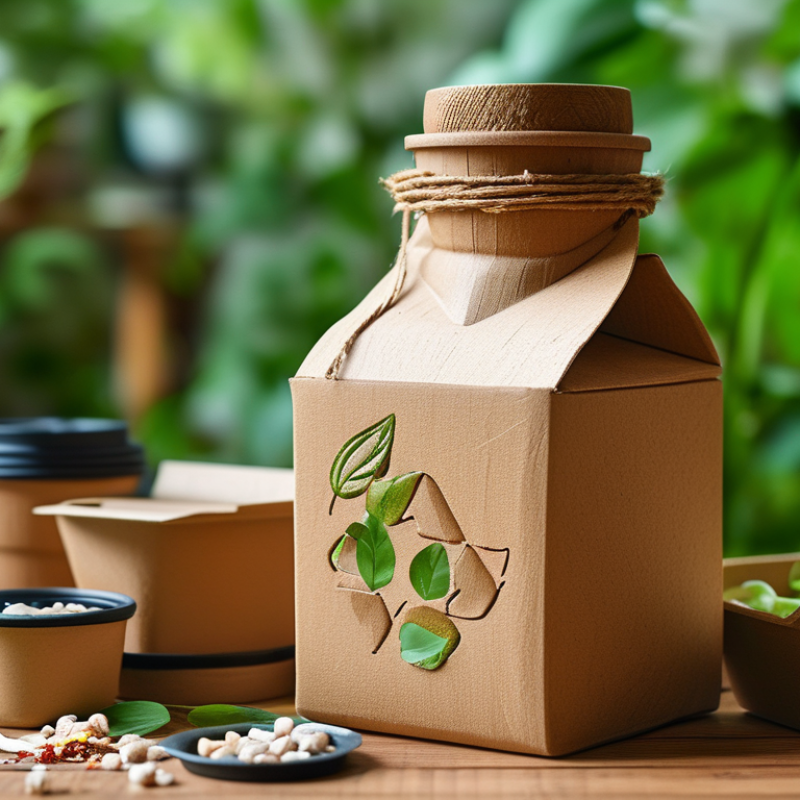
Emerging Materials in Biodegradable Packaging: Innovations to Watch
Biodegradable packaging is gaining momentum as a sustainable solution to environmental challenges. Emerging materials play a crucial role in this evolution. One of the most exciting developments is the use of plant-based polymers. These are derived from renewable resources like cornstarch and sugarcane. They break down more easily than traditional plastics, reducing landfill waste.
Another notable innovation is the integration of mycelium. This natural fungal network can replace Styrofoam in packaging. It is lightweight, strong, and fully compostable. However, scalability remains an issue. Producing mycelium on a larger scale can be costly and time-consuming. Companies must navigate these challenges to make it a viable option.
Seaweed-based packaging is also on the rise. Seaweed dissolves in water and provides a nutrient-rich option for compost. It’s a fascinating alternative that could transform the packaging industry. Yet, sourcing and harvesting seaweed sustainably is essential. Balancing innovation and environmental impact is crucial. The pursuit of biodegradable materials continues, but questions around effectiveness and cost persist. The journey towards a sustainable future is complex, with many paths still being explored.
Top Trends in Biodegradable Packaging You Need to Know
| Material Type | Source | Decomposition Time | Applications |
|---|---|---|---|
| PLA (Polylactic Acid) | Corn Starch | 3-6 months | Food Containers, Film |
| PHA (Polyhydroxyalkanoates) | Organic Waste | 6 months - 3 years | Packaging, Coatings |
| Starch-based Plastics | Potato/ Corn Starch | 1-2 years | Bags, Utensils |
| Cellulose | Wood, Cotton | 2-5 months | Wraps, Films |
| Mycelium | Fungi | 1-3 months | Packaging, Insulation |
FAQS
: Biodegradable materials break down naturally, reducing landfill waste. They often come from renewable resources.
Plant-based polymers are derived from sources like cornstarch and sugarcane. They decompose easier than traditional plastics.
Mycelium replaces materials like Styrofoam. It is lightweight, strong, and fully compostable, but scalability is a concern.
Seaweed can dissolve in water and adds nutrients to compost. Sustainable sourcing is essential for its benefits.
Increased consumer awareness drives demand for biodegradable packaging. Customers often prefer sustainable options, influencing company practices.
Consumers should evaluate their purchasing habits. Discussing packaging choices with brands can encourage sustainable practices.
The market is expected to grow significantly. Innovations may lead to materials that biodegrade within months instead of years.
Companies struggle with sourcing materials and meeting consumer expectations. Ongoing education is necessary to address these gaps.
Engaging with customers and considering their needs is vital. This feedback shapes product development and sustainability efforts.
Conclusion
In recent years, the field of biodegradable packaging has witnessed significant innovations, shaping what are the trends in biodegradable packaging. Emerging materials, such as bioplastics and plant-based composites, are at the forefront of this revolution, offering eco-friendly alternatives to traditional packaging. Moreover, consumer awareness plays a crucial role in driving these trends, as people increasingly seek sustainable options and demand more transparency from manufacturers regarding packaging materials.
Regulatory changes are also influencing the industry, with governments implementing stricter guidelines to promote the adoption of biodegradable solutions. However, challenges remain in the widespread implementation of these alternatives, including cost and performance concerns. Looking ahead, the future of biodegradable packaging appears promising, with predictions of continuous advancements and a growing market as both consumers and industries prioritize sustainability in their choices.
