When it comes to how to store paper boxes to prevent moisture, expert Jessica Martin emphasizes, "Proper storage can save your valuable items from damage." Paper boxes are essential for organizing and protecting various items, but they are vulnerable to moisture. Humidity can lead to mold, weakening, and deterioration.
Storing these boxes in the right environment is crucial. For instance, keeping them in a dry, well-ventilated space can make a significant difference. Plastic containers can also offer an extra layer of protection. While you might have sealed containers, it's easy to overlook potential moisture sources nearby. It’s vital to regularly check these areas to ensure your stored paper boxes remain safe.
However, achieving the perfect storage solution is challenging. Even the best strategies may have unforeseen flaws. For example, insufficient ventilation might trap humidity in a closed container. The pursuit of effective storage methods requires vigilance and a willingness to adapt. Overall, understanding how to store paper boxes to prevent moisture damage is essential for anyone looking to maintain their belongings in optimal condition.
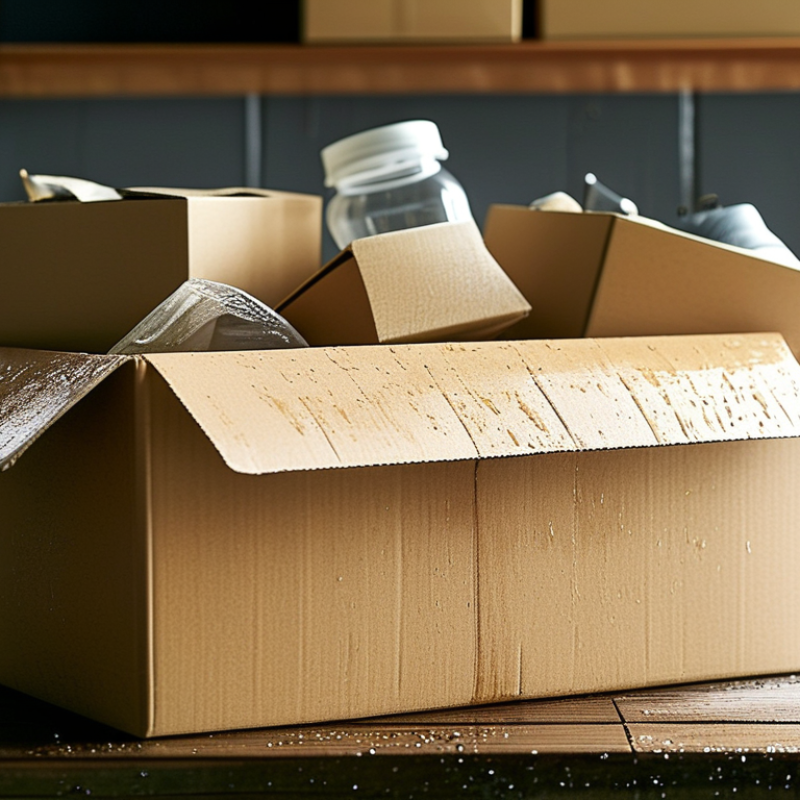
Choosing the right storage location for paper boxes is crucial. Studies show that over 40% of paper storage issues stem from improper environments. Areas with high humidity can lead to mold and paper degradation. It's essential to avoid basements or garages where moisture levels tend to fluctuate.
Look for a climate-controlled space. A consistent temperature between 60-75°F is ideal. This range helps maintain the integrity of the paper. Shelving should be at least 6 inches off the floor. This method protects against spills and dust accumulation. Using airtight containers can provide an extra layer of protection.
Light exposure can be damaging as well. Direct sunlight can cause fading and weakening of paper fibers. Keep paper boxes in dark areas or use UV-filtering materials for windows. Regular checks on stored items can identify early signs of wear. Ignoring these can result in irreversible damage. Prioritizing a suitable storage environment is vital for prolonging the life of your paper products.
When preparing paper boxes for storage, cleaning and drying them is essential to prevent moisture damage. Begin by inspecting each box closely. Remove dust and debris with a soft brush or cloth. This process helps maintain the box's integrity and ensures it is ready for proper storage. Pay attention to the corners and folds, where dust tends to accumulate.
After cleaning, drying is equally important. Ensure that each box is completely dry before storing. You can use a fan to speed up the drying process. If the boxes have absorbed any moisture, consider placing them in a dry area with good air circulation. This step is crucial, as trapped moisture can lead to mold and further damage over time.
Remember, storing boxes in a humid environment increases the risk of moisture damage. Be mindful of storage conditions. A little effort during preparation can save a lot of hassle later. Taking the time to clean and dry your paper boxes will help preserve their quality and extend their lifespan.
When selecting moisture-resistant materials for storing paper boxes, consider using polyethylene or polypropylene. These materials are known for their durability and resistance to moisture, protecting your valuable items. Look for containers or boxes made from these substances. They can keep humidity at bay, reducing the risk of mold and deterioration.
To enhance moisture protection, ensure your storage area is well-ventilated. Stagnant air can trap moisture, creating an environment that is harmful to paper products. Installing a dehumidifier can significantly lower humidity levels. You might also want to routinely check the temperature and humidity, aiming for a stable environment.
When stacking paper boxes, avoid overloading. This can lead to crush damage and hinder air circulation. If possible, use moisture-absorbing packets within the boxes. This small addition can provide extra protection. Consider labeling boxes for easy access, helping you avoid prolonged exposure to moisture while searching for items. Remember, the small details can make a significant difference in preserving your materials.
| Tip Number | Storage Tip | Moisture-Resistant Material | Additional Advice |
|---|---|---|---|
| 1 | Choose proper storage location | Plastic containers | Keep away from damp areas |
| 2 | Use dehumidifiers | Humidity absorption packets | Regularly check humidity levels |
| 3 | Elevate boxes off the ground | Wood pallets | Prevents contact with moisture |
| 4 | Seal boxes tightly | Heavy-duty plastic wrap | Minimizes air exposure |
| 5 | Ventilate storage area | Screened ventilation systems | Promotes airflow |
| 6 | Use moisture barriers | Mylar or polyethylene sheets | Add layers of protection |
| 7 | Store in climate-controlled environments | Insulated containers | Keeps temperature stable |
| 8 | Regular inspections | Monitoring tools | Early detection of moisture issues |
| 9 | Avoid stacking too high | Sturdy shelving units | Reduces pressure and damage |
| 10 | Label boxes clearly | Water-resistant labels | Easier identification |
Maintaining a stable climate is key to protecting paper boxes from moisture damage. High humidity can lead to mold, warping, and degradation of the material. To combat this, use a dehumidifier in your storage area. It helps to regulate the moisture level and keep the air dry. This simple device can dramatically reduce the risk of water damage.
Temperature control also plays a vital role. Keeping your storage space between 60 to 75 degrees Fahrenheit is ideal. Avoid extreme fluctuations in temperature. These can cause condensation to form inside the boxes. Ensure good air circulation around the stored boxes. Use shelves instead of stacking them directly on the floor to promote airflow.
Be mindful about the location too. Storing boxes in basements or attics can be risky. These areas tend to have fluctuating temperatures and higher humidity levels. It may feel tedious to check on these conditions regularly, but it pays off. Keeping a close eye on the environment will help prevent severe damage down the line.
Regular inspection and maintenance of stored paper boxes is crucial for preventing moisture damage. Research indicates that approximately 30% of stored paper products suffer damage from humidity. Consequently, routine checks can help identify potential issues before they escalate. For instance, the recommended humidity level for storage environments is between 30% and 50%. Without monitoring, humidity can easily soar during certain seasons.
Conducting monthly inspections will help detect signs of mold and moisture. Look for discoloration or musty odors, which can indicate existing problems. It’s essential to assess the integrity of storage containers regularly. Damaged or worn boxes can become entry points for moisture. Each box should be sealed appropriately, and any tears or holes need prompt repair. Failing to do so might result in a larger issue down the line.
Investing in dehumidifiers can also be beneficial. They can reduce humidity levels effectively, preserving the integrity of your stored materials. However, be cautious: over-dehumidifying can lead to dryness, which might make paper more brittle. Balance is key. Regularly checking tools and methods ensures an optimal environment for your paper boxes, minimizing the risk of moisture-related damage.
: Use a soft brush or cloth to remove dust. Inspect corners and folds closely.
Complete drying prevents moisture damage and mold. Use a fan for faster drying.
Look for polyethylene or polypropylene containers. They protect against humidity and deterioration.
Regularly check temperature and humidity. Aim for 30% to 50% humidity for optimal conditions.
Repair any tears or holes immediately. Damaged boxes can allow moisture entry.
Yes, but avoid overloading. This helps maintain air circulation and prevents crush damage.
Monthly inspections are recommended to detect mold and moisture early.
Yes, they can provide extra moisture protection inside boxes during storage.
Over-dehumidifying can make paper brittle. Find a balance to protect materials.
Look for discoloration, musty odors, or visible mold during inspections.
When considering how to store paper boxes to prevent moisture damage, it is essential to first select the right storage location. Look for a clean, dry area with good ventilation that minimizes exposure to humidity. Preparing your paper boxes for storage involves cleaning them thoroughly and ensuring they are completely dry, which can help avoid mold growth. Additionally, using moisture-resistant materials for box storage, such as airtight containers or protective wraps, can provide an extra layer of protection against damp conditions.
Implementing climate control measures is crucial for maintaining an optimal environment and preventing moisture buildup. This could mean using dehumidifiers or air conditioners in storage areas that are prone to high humidity. Finally, regular inspection and maintenance of stored paper boxes are necessary to ensure they remain in good condition and free from moisture damage over time. By following these tips, you can effectively manage how to store paper boxes to prevent moisture and prolong their lifespan.
