Choosing a retail packaging supplier in China requires more than comparing one unit price. A reliable calculation includes materials, printing, labor, tooling, sampling, inspection, and delivery. The carton that looks cheapest may require a higher minimum order quantity or expensive mold fees. Small details matter.
This guide explains how to calculate packaging costs for retail with practical supplier information. A rigid gift box, for example, may include greyboard, coated paper, magnetic closures, foil stamping, and hand assembly. Each component changes the final quotation. A clear cost sheet should separate one-time expenses from recurring production costs. It should also identify quantities, dimensions, paper thickness, print colors, finishing methods, packaging method, and shipping terms.
Ask for evidence, not vague promises. Experienced suppliers can provide material samples, production photos, test reports, and a detailed pro forma invoice. Compare quotations using the same specifications and Incoterms. Otherwise, a low factory price may hide freight, export handling, or destination charges. Currency changes can also affect the budget.
Mistakes happen.
A supplier may overlook inner trays. A buyer may underestimate storage space. These gaps deserve review before placing an order. A pilot batch can reveal color differences, weak edges, or inaccurate dimensions. It costs more initially, but it may prevent a larger loss later. Transparent calculations support better decisions, stronger supplier negotiations, and more predictable retail packaging budgets.
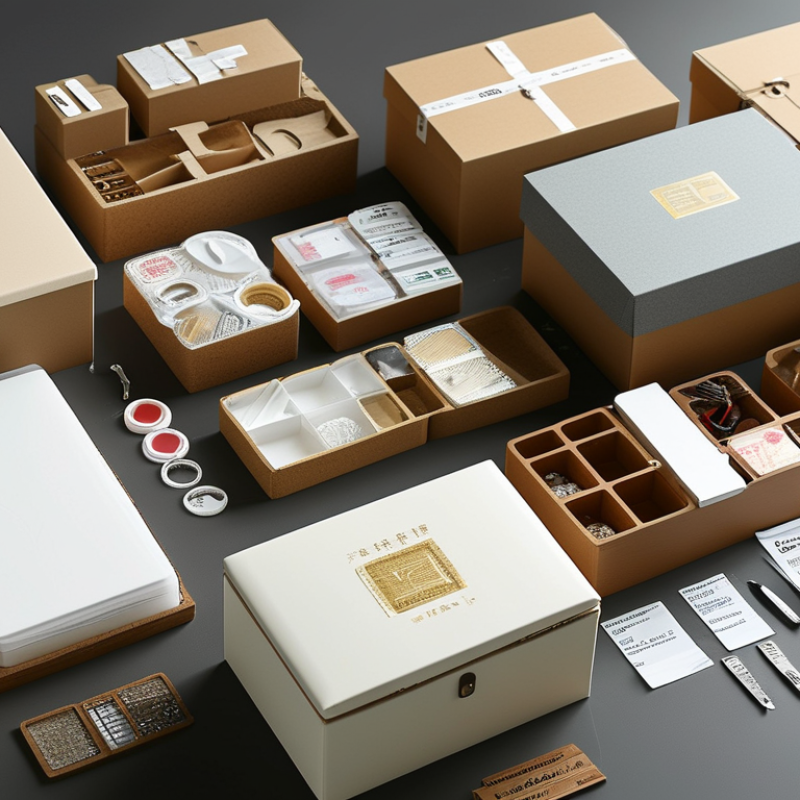
What Defines a Top Retail Packaging Supplier in China
A top retail packaging supplier in China is defined by more than a low quotation. The supplier should explain material grades, tooling fees, printing charges, inspection costs, and shipping assumptions. A clear cost sheet prevents surprises after approval. It should also show production capacity, lead times, defect rates, and corrective-action records. Experience matters here. A supplier that can provide dated samples and batch reports is easier to trust.
Compliance must be visible, not promised vaguely. The OECD’s Global Plastics Outlook reports that packaging creates about 40% of global plastic waste. This pressure makes material selection commercially important. A capable supplier can offer recyclable structures, verified paper sources, and suitable food-contact documentation when required. PwC’s 2024 Voice of the Consumer Survey found that consumers were willing to pay an average 9.7% premium for sustainably produced goods. That figure does not guarantee higher sales, however. Buyers still need evidence.
Operational reliability separates a top supplier from a convenient factory. Ask for production photographs, pre-shipment inspection procedures, moisture controls, and a small pilot order. Strong suppliers communicate problems early, even when the news is uncomfortable. No supplier is flawless. I would question any quotation that is dramatically cheaper than the market range. It may exclude testing, waste, or inland transport. An honest supplier makes those assumptions visible, measures performance, and accepts periodic review.
Which Cost Factors Affect Retail Packaging Production
Retail packaging costs rarely begin with printed artwork. They begin with the product, shelf dimensions, and protection required during transit. A supplier usually calculates material by board grade, thickness, sheet size, and yield. Larger boxes can waste more board than expected. Small changes matter. A two-millimeter adjustment may reduce nesting efficiency and increase unit cost. Recycled or specialty papers can vary in availability and moisture tolerance. That variation should be checked with a physical sample, not only a quotation.
Printing adds several cost layers, including color count, ink coverage, plates, digital setup, and finished quantity. Matte coating, foil, embossing, windows, and glued structures require extra processing and inspection. Tooling charges may appear separately for custom die-cut shapes. Labor rises when folding, packing, or visual checking is manual. Minimum order quantities spread setup costs, while low volumes often carry a higher price per piece. Freight depends on carton volume, weight, delivery distance, and documentation. Waste allowances are necessary, but they should be explained. I have seen estimates fail because revisions, damaged samples, or packing changes were ignored. A reliable cost sheet lists assumptions, testing needs, lead times, and possible surcharges before production starts. Careful forecasts still need review when materials or specifications change.
How to Calculate Materials, Labor, and Manufacturing Costs
For retail packaging suppliers, cost calculation starts with measurable inputs, not a supplier’s final quotation. Materials include paperboard, film, ink, adhesive, closures, and cartons. Use this formula: material cost equals unit consumption multiplied by purchase price and adjusted for waste. If one carton uses 0.18 square meters of board at $1.20 per square meter, the base material cost is $0.216. Add the actual trim and setup waste. Smithers’ Future of Global Packaging to 2028 forecasts the global packaging market will approach $1.2 trillion, showing how small cost errors can scale quickly.
Labor should include wages, benefits, supervision, and quality checks. Calculate labor cost as production minutes divided by 60, multiplied by the loaded hourly rate. The U.S. Bureau of Labor Statistics reported that wages and salaries represented 70.1% of private-industry compensation in December 2024. Benefits made up the remaining 29.9%. A worker paid $20 per hour may therefore cost much more after benefits and payroll obligations. Manufacturing costs also include machine depreciation, energy, maintenance, tooling, rent, and inspection. Allocate these costs by machine hours or production volume, not by guesswork.
Tips: Request a supplier’s material specification, waste rate, labor minutes, and overhead method. Compare quotes using the same order quantity and delivery terms. Recheck setup costs for short runs. A clean spreadsheet can still hide weak assumptions. I would leave a visible contingency, often 3% to 8%, then review it after the first production batch.
China Retail Packaging Suppliers: How to Calculate Costs
Estimated cost comparison per 1,000 units. Materials include paperboard, corrugated board, film, ink, and adhesives. Labor covers production and packing labor, while manufacturing includes equipment depreciation, energy, quality control, and factory overhead. Actual prices vary by order volume, specifications, printing complexity, and supplier location.
How Shipping, Duties, and Customization Change the Total Cost
When comparing China’s top retail packaging suppliers, calculate landed cost, not only the factory quote. Use this formula: unit price plus tooling, customization, freight, insurance, duties, brokerage, and inspection fees. A 1,000-unit quote can mislead.
Shipping changes quickly. UNCTAD’s Review of Maritime Transport 2024 reported that global maritime trade grew 2.4% in 2023, while rerouting and disruption increased voyage distances and freight pressure. Request both sea and air quotations. For a small carton shipment, air freight may cost more than the packaging itself. Ask suppliers to confirm carton dimensions, gross weight, loading port, Incoterms, and destination charges. These details prevent unpleasant surprises.
Duties depend on the product’s HS classification, customs value, origin rules, and importing country. Check the official tariff database before approving artwork. The World Bank’s Logistics Performance Index 2023 also highlights customs efficiency and shipment reliability as major logistics factors. Customization adds less visible costs. Embossing may require a plate; special colors can require higher minimum quantities; inserts may change carton size and shipping weight. Request a tooling charge, sampling fee, setup fee, and re-order price separately. Keep records.
I have seen attractive quotes fail after dimensional-weight adjustments. That mistake is easy to repeat. Allow a contingency of 5–10%, but test it against recent freight and duty estimates. Supplier confidence is useful, not proof.
How to Compare Supplier Quotes and Estimate the Final Budget
Comparing retail packaging supplier quotes requires more than checking the unit price. Request the same specification from every supplier, including dimensions, material thickness, printing colors, finishing, order quantity, and packing method. A quote for 10,000 rigid boxes is not comparable with one for 20,000 units. Confirm whether tooling, plates, samples, quality inspection, inland transport, freight, duties, and payment fees are included.
Build a landed-cost sheet. Use this formula: total supplier cost plus tooling, freight, insurance, duties, inspection, and expected waste, divided by sellable units. UNCTAD’s Review of Maritime Transport reports that ships carry over 80% of global merchandise trade, so freight changes can materially affect your final budget. Smithers estimates the global sustainable packaging market will continue expanding through 2028, but greener materials may carry higher conversion or certification costs. Ask suppliers to separate these costs rather than hiding them inside the unit price.
I once underestimated replacement samples and local delivery. That error was avoidable. Add a 5–10% contingency for uncertain costs, especially during a new product launch. Compare payment terms carefully; a lower price with a large upfront deposit may restrict cash flow. Check lead time, defect allowances, production capacity, and corrective-action procedures. The cheapest quote is not always the safest choice. A clear comparison table reveals the real difference.
FAQS
: A reliable supplier explains materials, tooling, printing, inspection, and shipping costs clearly. It also shares dated samples, batch reports, lead times, and defect records. Clear evidence matters more than a low quotation. No supplier is flawless.
Request material specifications, production photographs, inspection procedures, and corrective-action records. Ask for food-contact documents when the packaging touches food. Verified paper sources can support responsible material choices. Promises are not enough.
Multiply unit consumption by the purchase price. Then add trimming and setup waste. For example, 0.18 square meters at $1.20 costs $0.216 before waste. Small errors grow quickly.
Labor includes wages, benefits, supervision, and quality checks. Calculate labor minutes divided by 60, then multiply by the loaded hourly rate. Manufacturing also includes energy, maintenance, depreciation, rent, tooling, and inspection. Guesswork creates weak budgets.
Give every supplier identical dimensions, thickness, colors, finishes, quantities, and packing requirements. Confirm whether samples, tooling, inspection, transport, freight, duties, and payment fees are included. A 10,000-unit quote cannot fairly compare with a 20,000-unit quote. That comparison fails.
Landed cost includes the supplier price, tooling, freight, insurance, duties, inspection, and expected waste. Divide the total by the number of sellable units. This figure reflects the real packaging budget better than unit price alone.
Not always. Recyclable structures and verified paper may involve higher conversion or certification costs. Ask suppliers to separate these charges. Sustainability may support customer interest, but it does not guarantee higher sales.
Reserve about 5% to 10% for uncertain launch costs. A smaller production estimate may use roughly 3% to 8% after reviewing assumptions. Include replacement samples, local delivery, waste, and freight changes. My estimate was wrong once.
Conclusion
Choosing a top retail packaging supplier in China requires more than comparing the lowest unit price. A reliable supplier should offer consistent quality, clear communication, stable production capacity, accurate sampling, and transparent documentation. To understand how to calculate packaging costs for retail, begin by reviewing the main cost elements, including paper, plastic, fabric, coatings, printing, structural design, labor, tooling, assembly, and quality control. Material specifications, order quantity, packaging size, and production complexity can significantly affect the base cost.
The final budget should also include customization, sampling, mold or plate fees, inner packaging, carton packing, shipping, insurance, import duties, and other destination charges. When comparing supplier quotes, confirm whether prices are based on the same materials, dimensions, quantities, delivery terms, and quality requirements. Request a detailed cost breakdown and calculate the total landed cost rather than focusing only on the factory price. This approach helps buyers identify hidden expenses, compare suppliers fairly, and create a more accurate retail packaging budget.
