What is the Difference Between Corrugated and Rigid Boxes?

Time:2026-06-18 Author:Sienna
0%

When exploring packaging solutions, understanding "what is the difference between corrugated and rigid boxes" is essential for businesses. The packaging industry is evolving, with global demand for corrugated boxes projected to reach $350 billion by 2025, according to a recent Smithers report. This growth highlights the practicality and widespread use of corrugated materials in shipping and retail sectors.

Corrugated boxes are designed for durability and cost-effectiveness. They provide excellent protection for products during transport. Meanwhile, rigid boxes offer premium quality and aesthetics, often used for luxury goods. A study by Packaging Strategies indicates that around 35% of consumers consider packaging as a vital factor in their purchasing decision. This statistic emphasizes the importance of selecting the right packaging type.

However, the distinction between these two packaging options isn't always clear. Some companies may overlook the benefits of using rigid boxes for high-end products, while others might not recognize the efficiency of corrugated boxes for bulk shipping. Businesses must assess their specific needs and consider how each option affects branding and logistics. Understanding these differences can lead to smarter choices that enhance both product safety and consumer satisfaction.
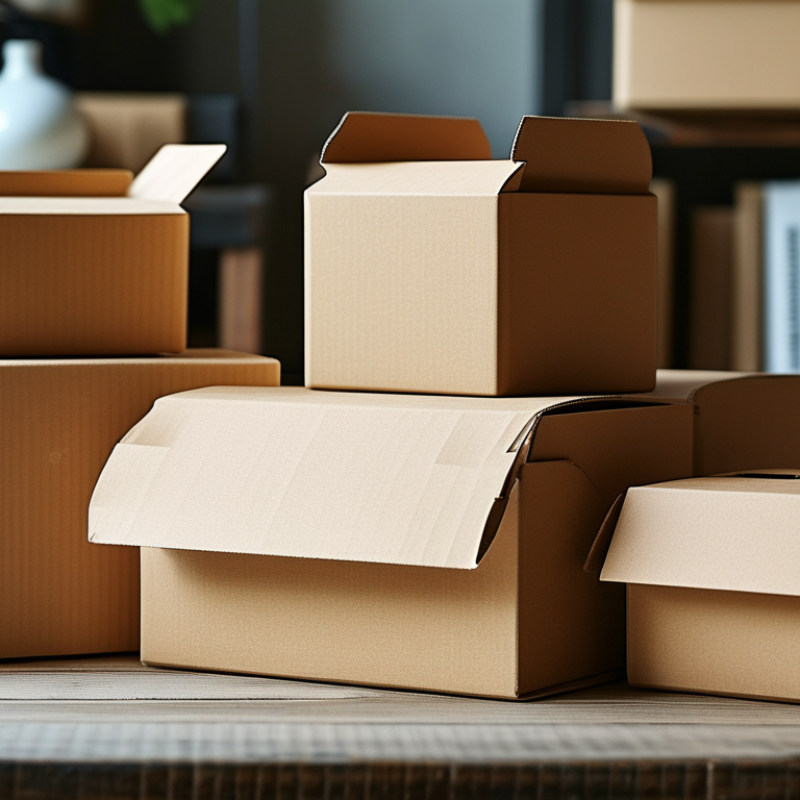
What is the Difference Between Corrugated and Rigid Boxes?

Definition and Characteristics of Corrugated Boxes

Corrugated boxes are essential in shipping and packaging due to their unique structure. They consist of a fluted paper layer sandwiched between two flat liners. This design grants them strength and flexibility. According to a report from the American Forest & Paper Association, corrugated boxes account for over 30% of total paper and paperboard production in the U.S. Their lightweight nature aids in reducing shipping costs and minimizing environmental impact.

Tips: Consider using recycled materials for your corrugated boxes. It’s a great way to support sustainability.

Another key characteristic of corrugated boxes is their ability to absorb shocks. This makes them ideal for protecting fragile items during transport. They can withstand stacking pressures and rough handling. Interestingly, the International Corrugated Packaging Foundation reports that nearly 90% of all consumer packaged goods use corrugated packaging. These statistics highlight the importance of corrugated boxes in ensuring product safety and integrity.

Tips: Ensure your boxes are properly sized for your products. An ill-fitting box may lead to damage.

In contrast, rigid boxes are made from solid paperboard. They do not offer the same flexibility or cushioning. This makes them less ideal for shipping but great for retail presentation. Understanding these differences can help businesses make informed choices about packaging materials.

Definition and Characteristics of Rigid Boxes

Rigid boxes are sturdy packaging solutions often used for high-end products. They are made from thick paperboard, providing excellent protection. The robustness of rigid boxes makes them ideal for fragile items like electronics and jewelry. These boxes maintain their shape even under pressure, ensuring contents remain safe during transit.

The design of rigid boxes can vary significantly. They come in various sizes and styles, with options for custom printing. Their aesthetic appeal is another reason businesses prefer them for premium products. However, creating unique designs can be costly and time-consuming. Some users might find it challenging to justify the expense compared to simpler packaging options.

These boxes also have a higher environmental impact than other packaging types. Made from non-recyclable materials in certain cases, this raises sustainability concerns. Companies must weigh the balance between presentation and eco-friendliness. Overall, rigid boxes stand out in the market for their durability and visual impact, but they also invite critical reflection on design and environmental responsibility.

Key Differences Between Corrugated and Rigid Boxes

Corrugated and rigid boxes serve different purposes in packaging. Corrugated boxes are made from fluted paper and are lightweight. They provide excellent protection for shipping because of their sturdy structure. According to the Packaging Association, over 80% of products in the retail sector use corrugated packaging as a cost-effective and reliable solution.

Rigid boxes, on the other hand, are made from thicker materials and do not bend or crush easily. They are often used for high-end products. Research indicates that rigid boxes can enhance the perceived value of a brand, with studies showing that 72% of consumers consider packaging quality when making a purchase decision.

Tips: When choosing between the two, consider weight and fragility. For heavy items, corrugated boxes are ideal. For gifts or luxury items, opt for rigid boxes. Be mindful, though, that while rigid boxes often appear upscale, they may not provide the same level of cushioning as corrugated boxes. While both box types have their merits, the right choice depends on your specific needs and target audience.

Comparison of Corrugated and Rigid Boxes

This chart compares key features of corrugated and rigid boxes across various dimensions such as cost, durability, weight, customizability, and protection. Each dimension is rated on a scale from 1 to 5, reflecting general industry perspectives.

Common Uses of Corrugated and Rigid Boxes

Corrugated boxes are commonly used in shipping and storage. Their design consists of a fluted layer sandwiched between two flat layers. This construction provides strength and durability. You often see these boxes in retail and e-commerce. They protect products during transit and stacking. They are lightweight, which reduces shipping costs.

Rigid boxes, on the other hand, are typically used in luxury packaging. These boxes are made from thick paperboard and do not flex. You can find them in cosmetics, jewelry, and high-end gifts. Their sturdy nature gives an impression of quality and elegance. However, they are heavier, which can impact shipping costs.

Both box types have suitable uses. For instance, fragile items may need rigid boxes for better protection. However, there are challenges. Corrugated boxes can be less visually appealing. Rigid boxes might not be as environmentally friendly. Businesses should weigh these factors carefully.

Advantages and Disadvantages of Each Box Type

Corrugated boxes are well-known for their strength and durability. They consist of a fluted inner layer sandwiched between two flat layers. This design makes them ideal for shipping heavy items. However, their bulkiness can be a drawback. They take up more storage space and can be cumbersome for small products.

On the other hand, rigid boxes are solid and don't bend easily. They offer a sleek look, which is attractive for many products. Yet, their rigidity comes with a cost. They are often more expensive to produce and cannot be recycled as easily. Businesses may find it challenging to balance cost and aesthetics with rigid boxes.

Each type poses its own set of advantages and disadvantages. Corrugated boxes excel in protection and cost-effectiveness for shipping, while rigid boxes shine in presentation. Making the right choice requires careful consideration. Are you prioritizing cost or visual impact? Understanding your product’s needs is key to your decision.

FAQS

: What are rigid boxes?

: Rigid boxes are sturdy packaging solutions made from thick paperboard. They protect fragile items well.

What makes rigid boxes different from corrugated boxes?

Rigid boxes are thicker and do not bend. Corrugated boxes are lightweight and designed for shipping.

Why choose rigid boxes for packaging?

Rigid boxes are used for luxury items. They enhance perceived value and add visual appeal to products.

Are rigid boxes eco-friendly?

Rigid boxes may not be recyclable. Their environmental impact raises concerns about sustainability.

What are common uses for corrugated boxes?

Corrugated boxes are popular for shipping and storage. They provide strength and are lightweight, reducing costs.

Can rigid boxes provide the same cushioning as corrugated boxes?

Rigid boxes may not offer the same cushioning. They are sturdier but can lack flexibility.

What should businesses consider when choosing packaging?

Businesses should weigh appearance against eco-friendliness. They need to assess protection versus cost.

Are there disadvantages to using rigid boxes?

Yes, rigid boxes can be expensive and time-consuming to design. Some might question their value over simpler options.

What factors affect shipping costs with rigid boxes?

Rigid boxes are heavier than corrugated boxes, which can increase shipping costs.

How do consumers view packaging quality?

Many consumers consider packaging quality when purchasing. It can influence their perception of a brand's value.

Conclusion

The article "What is the Difference Between Corrugated and Rigid Boxes?" explores the unique characteristics and applications of both box types. Corrugated boxes are made from a layered paperboard material, featuring a fluted inner layer that provides strength and cushioning, making them ideal for shipping and storage. In contrast, rigid boxes are constructed from stiffer, denser materials, offering a more premium appearance, which is often preferred for retail packaging and gifts.

Key differences between the two include their structural integrity, cost, and typical uses. While corrugated boxes excel in versatility and protective features for transport, rigid boxes are favored for their aesthetic appeal and durability in retail settings. Each type has its own advantages and disadvantages, influencing their suitability for various packaging needs in different industries. Understanding these distinctions helps businesses make informed choices based on their specific requirements.

Sienna

Sienna

Sienna is a skilled marketing professional with a deep expertise in our company’s core products and services. With a passion for innovation and detail, she plays a pivotal role in crafting insightful blog posts that not only highlight the unique features of our offerings but also provide valuable......