How to Design the Best Child Resistant Packaging in 2026?

Time:2026-09-26 Author:Liam
0%

In 2026, effective child-resistant packaging must do two things well: slow a young child and remain manageable for adults. That balance begins with real hands-on testing, not a clever closure sketch. Picture small fingers pressing, twisting, and pulling at a cap while an older caregiver opens it one-handed. Tiny details matter. Grip, opening force, clear instructions, and reliable reclosure can shape everyday safety.

The U.S. Consumer Product Safety Commission estimates that child-resistant packaging has helped prevent about 900 deaths and 1.5 million poisoning incidents since the Poison Prevention Packaging Act took effect. The figure is a reminder of packaging’s value, not proof that any one design is risk-free. Poison-control specialist Henry Spiller’s practical warning is worth remembering: “Child-resistant does not mean childproof.” Packaging should support safe storage, never replace it.

So, how to design child resistant packaging is a question of evidence, usability, and careful iteration. Start with the intended user, product form, and likely handling conditions. Test prototypes with adults, assess resistance using appropriate child-panel protocols, and document changes between versions. Standards and test methods can vary by product and market; confirm current requirements with qualified specialists before launch. A package may look secure on a bench and still frustrate an older adult at home. That uncomfortable gap deserves attention. The strongest design is not simply hard to open; it performs consistently, communicates clearly, and encourages correct reclosure.
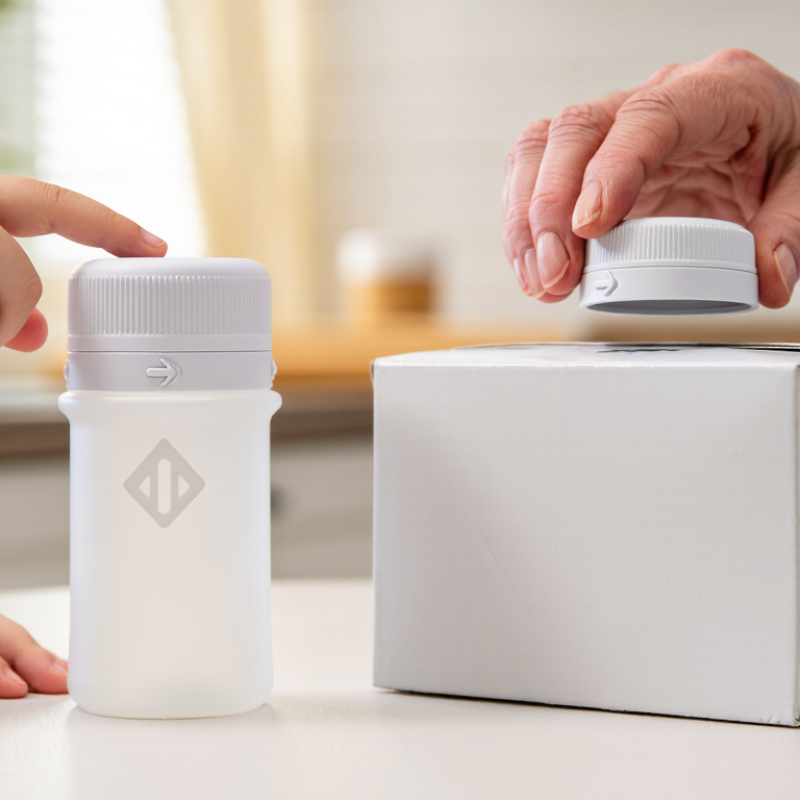
How to Design the Best Child Resistant Packaging in 2026?

Define Child-Resistant Packaging Goals and Risk Factors

Designing the best child-resistant packaging in 2026 starts with a clear safety goal. The package should delay access by young children without creating unnecessary difficulty for responsible adults. Define the intended product, user group, storage environment, and opening method before choosing materials. Keep it measurable. For example, set targets for opening force, closure strength, cycle life, and clear instructions.

Risk assessment should examine real household conditions. Consider small hands, limited grip strength, poor lighting, wet fingers, and repeated daily use. Children may drop, twist, shake, or imitate adult actions. Adults may have reduced dexterity or vision. A smooth surface can become difficult near a sink. A tiny label may fail in a dim cabinet. These details deserve early testing.

Use prototypes that reflect actual use, not only laboratory conditions. Test closure alignment, seal damage, accidental openings, and wear after repeated cycles. Independent testing against applicable safety standards strengthens reliability and supports responsible claims. Adult usability matters too. If a package is overly complicated, users may leave it open or transfer the contents elsewhere. That creates a different risk. An early design may pass a basic test yet still feel awkward at home. Revisit weak points, document every change, and involve safety specialists before production.

Choose Suitable Materials, Closures, and Locking Mechanisms

How to Design the Best Child Resistant Packaging in 2026?

Material selection should begin with the product, not the appearance. High-density polyethylene and polypropylene offer impact resistance, chemical stability, and consistent molding. Glass provides an excellent barrier, but its weight and breakage risk require careful handling. A 2024 Smithers packaging outlook highlights growing demand for recyclable formats, yet recyclability must not weaken safety. Fit matters. Use compatible liners to prevent leakage, swelling, or unpleasant odors.

Closures need a clear balance between resistance and accessibility. Push-and-turn caps, squeeze-and-turn systems, and dual-action lids can slow small children without exhausting older adults. Under ISO 8317 testing, packaging generally must prevent opening for at least 80% of tested children while allowing at least 90% of adults to open it. Those figures are useful, but real homes are messier. Test it wet. Test it with gloves. Test it after repeated opening.

Locking mechanisms should provide tactile feedback, audible clicks, and visible alignment marks. A hidden spring may improve security, but it can also create failure points. According to the 2023 National Poison Data System Annual Report, poison centers recorded more than 2.4 million human exposure cases in the United States. Packaging cannot solve every unsafe habit, but it can add crucial time. My practical mistake was trusting laboratory results too quickly; fatigue, damaged threads, and rushed users changed the outcome. Design reviews should include misuse testing, child-panel testing, adult usability studies, and repeated-drop inspections.

Balance Child Resistance with Adult Accessibility

How to Design the Best Child Resistant Packaging in 2026?

Balance Child Resistance with Adult Accessibility

Effective child resistant packaging must slow young children without frustrating responsible adults. That balance begins with real user needs, not appearance alone. A caregiver with arthritis may struggle with a stiff cap. An older adult may miss small opening arrows. Clear instructions matter.

Design teams should test several closure actions, such as push-and-turn, squeeze-and-pull, or lift-and-slide. Each action should provide noticeable feedback. A soft click can confirm correct engagement. Raised arrows can guide users under dim kitchen lighting. Text should remain readable after handling, moisture, and repeated opening.

Practical testing should include adults with different ages, strengths, and dexterity levels. Independent laboratory testing can verify resistance against recognized safety requirements. Designers should document opening force, misuse attempts, material changes, and every revision. A package that passes one test may still confuse users at home. That weakness deserves attention.

Simple access helps.

Packaging should also prevent partial closure. A lid that appears shut but remains loose creates unnecessary risk. Visual and tactile signals can reduce that uncertainty. However, adding too many steps may discourage proper use. This is where design teams must reflect honestly. More complexity does not always mean more protection. Careful observation, repeated testing, and plain instructions usually produce a safer, more usable result.

Validate Safety, Compliance, and Packaging Performance

How to Design the Best Child Resistant Packaging in 2026?

Child-resistant packaging must prove safety through testing, not appearance. A secure closure should resist access by young children while remaining practical for adults, including users with limited grip strength. Test the complete package, not only the cap. Materials, seals, hinges, and instructions can affect the result.

Use recognized testing laboratories and current child-resistant packaging standards for the target market. Compliance requirements may differ by country, so technical teams should verify every claim with qualified regulatory specialists. Keep test records, production samples, and change-control documents available. Small design changes matter.

Measure packaging performance under realistic conditions. Check opening force, reclosure strength, leakage resistance, drop impact, and repeated use. Expose samples to heat, cold, moisture, and transport vibration. A package can pass one test and still fail in daily handling. That risk is easy to underestimate.

User studies can reveal practical weaknesses. Some adults may misunderstand arrows, icons, or push-and-turn instructions. Clear labeling helps, but it cannot repair a poor mechanism. I have seen teams focus heavily on child resistance and overlook accessibility. That is a design gap worth questioning.

Build quality checks into production. Inspect closure alignment, seal consistency, and material thickness. Track failures instead of hiding them. Perfect results are rarely permanent. Packaging should be reviewed when materials, suppliers, dimensions, or filling processes change. Safety needs evidence, repeat testing, and honest reflection.

Prepare for Manufacturing, Labeling, and 2026 Market Needs

How to Design the Best Child Resistant Packaging in 2026?

Child resistant packaging for 2026 must balance protection, usability, and efficient manufacturing. A secure closure means little if older adults cannot open it comfortably. Test early with children and adults from different age groups. Record failed attempts, hand strength, grip changes, and confusing movements. Real hands reveal design problems quickly.

Prepare production before final artwork. Check material thickness, sealing temperature, mold tolerance, and closure alignment. A small variation can create a major safety issue. Run pilot batches on the actual filling line, not only in a laboratory. Inspect tamper evidence, leak resistance, drop performance, and repeated opening cycles. Some prototypes perform well once, then weaken after storage. That deserves honest review.

Labeling should support safe decisions at a glance. Use readable type, strong contrast, clear opening instructions, and durable printing. Include required warnings for each target market, with accurate translations and sufficient space. A QR code may provide extra information, but it should not replace essential instructions. In 2026, buyers will also expect lower material use, recyclable components, and reliable package tracking. These goals can conflict. Less material may reduce strength. Digital features may increase production complexity. Review each compromise with quality, compliance, and manufacturing teams before approval. Keep test records, supplier data, and corrective actions organized. That evidence builds trust when requirements change.

FAQS

What should child-resistant packaging achieve?

It should delay access by young children while remaining manageable for responsible adults. Set measurable targets for opening force, closure strength, and cycle life.

Which household conditions should designers consider?

Consider wet fingers, poor lighting, limited grip strength, and small hands. A smooth lid can be difficult near a sink.

How should prototypes be tested?

Test realistic use, including closure alignment, seal damage, accidental openings, and repeated cycles. Small hands matter. Lab tests alone may miss awkward movements.

Why does adult usability matter?

Adults with reduced dexterity or vision may struggle with complicated closures. If opening feels frustrating, someone may leave the package open. That creates another risk.

What should manufacturers check before production?

Check material thickness, sealing temperature, mold tolerance, and closure alignment. Test pilot batches on the actual filling line. Test the real line.

What makes package instructions effective?

Use readable type, strong contrast, durable printing, and clear opening instructions. A QR code can add details, but essential guidance should remain on the package.

How can a package meet changing market expectations?

Consider lower material use, recyclable components, and reliable tracking. These goals can conflict. Less material may reduce strength, so each trade-off needs review.

What records should teams keep?

Organize test results, supplier data, and corrective actions. Document design changes and review weak points. A package can pass once and still feel awkward at home.

Conclusion

Designing effective child-resistant packaging in 2026 starts with understanding the product’s risks, user environment, and potential access points. The process of how to design child resistant packaging should consider suitable materials, secure closures, tamper evidence, and locking mechanisms that reduce the chance of accidental opening while maintaining product protection. Packaging teams should evaluate durability, moisture resistance, repeated use, and compatibility with the contents before selecting a final structure.

Safety must be balanced with adult accessibility, ensuring that responsible users can open, close, and handle the package without unnecessary difficulty. Prototypes should undergo practical testing for child resistance, adult usability, seal performance, transport durability, and clear labeling. Early preparation for manufacturing is also essential, including consistent production tolerances, quality control procedures, recycling considerations, and adaptable labeling. By combining thoughtful design, validation, and production planning, manufacturers can create packaging that supports safety, convenience, compliance, and evolving market expectations.

Liam

Liam

Liam is a dedicated marketing professional with a profound expertise in the industry, where he excels at highlighting the unique advantages of our core products. With a keen understanding of market trends and consumer needs, Liam frequently updates our company’s professional blog, providing......