Creating unforgettable unboxing experiences for customers is an art. According to Linda Johnson, a leading expert in customer experience design, "The magic lies in the details." This emphasizes how every element contributes to the overall impression when customers open a package.
When considering how to design unboxing experiences for customers, focus on sensory engagement. Think about textures, colors, and scents. For instance, a soft-touch box, vibrant colors, or a subtle fragrance can enhance excitement. But it's easy to overlook these aspects in the rush to produce. This can lead to a generic experience that fails to connect.
Each unboxing experience should reflect the brand's identity. Incorporate personalized notes or unique wrapping styles. Yet, companies sometimes make the mistake of overcomplicating this process. A cluttered box can confuse customers, contradicting the goal of joy. Balance and simplicity often yield the most memorable experiences.
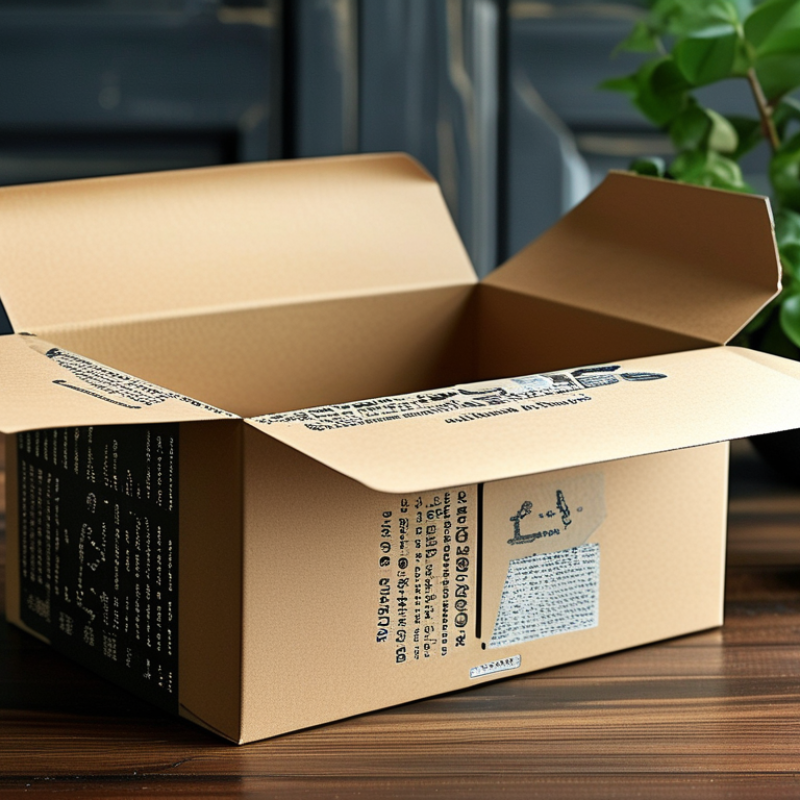
Unboxing experiences hold significant value in retail. They create memorable moments that connect customers to brands. A well-designed unboxing can lead to social sharing, enhancing visibility and word-of-mouth marketing. Customers often anticipate the joy of opening a package. This excitement can be a decisive factor in their overall satisfaction.
Consider using quality packaging that reflects your brand identity. Think about textures, colors, and materials. A tactile experience captivates customers' attention. Utilize custom inserts to tell a story or provide product information. Personal touches, like handwritten notes, can foster a deeper connection. But remember, overdoing it might feel insincere. Achieving a balance is essential.
Consistency matters. Every unboxing should align with your branding strategy. Inconsistencies can create confusion. Additionally, think about the environmental impact. Customers are increasingly mindful of sustainability. Simple, eco-friendly solutions can enhance your brand's reputation. Reflecting on feedback helps improve your approach over time. Listen to what resonates and what doesn’t. Unboxing is a chance to create lasting impressions and build loyalty.
Engaging packaging plays a crucial role in creating memorable unboxing experiences. It is not just about functionality; it’s about aesthetics too. Vibrant colors, textures, and shapes attract attention. Consider using eco-friendly materials, as they resonate with environmentally conscious consumers. These choices enhance the visual appeal while also making a positive statement. However, don’t overlook the importance of practicality. A box that is too difficult to open can frustrate customers.
Adding unique details can elevate the unboxing experience. Think about including personalized notes or unexpected surprises. These elements can create an emotional connection. Customers appreciate thoughtfulness and creativity. Nonetheless, be cautious with overdesigning. A cluttered package can distract from the product itself. Simplicity can often speak louder than excessive design elements.
Finally, consistency is key. Packaging should reflect your brand’s identity and values. When customers receive packaging that aligns with their expectations, it builds trust. However, regularly assessing your packaging strategy is essential. Analyze customer feedback and be open to making changes. Adaptability can lead to innovative designs that continually captivate your audience.
Personalization in unboxing experiences can significantly enhance customer satisfaction. According to recent studies, personalized packages can increase customer loyalty by up to 50%. This statistic highlights the growing importance of tailoring unboxing experiences to individual preferences. Simple touches like handwritten notes or custom packaging can make a big difference. They add a layer of thoughtfulness that standard packaging often lacks.
Implementing personalization isn’t always smooth. Brands face challenges in collecting and utilizing customer data effectively. Missteps can lead to irrelevant customization, which might frustrate customers instead of delighting them. While personalization can enhance the journey, the execution must be precise to avoid pitfalls. Surveys show that 70% of consumers appreciate brands that remember their preferences, emphasizing the importance of getting it right.
Incorporating elements like favorite colors or interests into the unboxing process can create memorable moments. However, it requires continuous effort and adaptation. Brands must regularly assess feedback to refine their approach. The balance between effective personalization and logistical feasibility can be tricky. Customers notice when brands put real thought into their packages, making them feel valued. This attention can turn an ordinary unboxing into an extraordinary experience.
| Aspect | Importance | Personalization Techniques | Customer Feedback |
|---|---|---|---|
| Packaging Design | High | Custom colors and themes | 90% express excitement over unique designs |
| Inserts & Notes | Medium | Handwritten thank-you notes | 75% feel valued with personalized messages |
| Additional Gifts | High | Free samples or small gifts | 85% more likely to share on social media |
| Unboxing Experience | Critical | Interactive unboxing tools | 80% feel more connected to the brand |
| Sustainability | Medium | Eco-friendly packaging materials | 70% appreciate sustainable practices |
Creating an unforgettable unboxing experience hinges on engaging the five senses. Sight is vital; packaging color and design grab attention. A well-designed box can evoke excitement before it’s even opened. Consider adding unique textures. Embossing or contrasting finishes can make the experience tactile. Choosing the right colors can influence mood, enhancing customer satisfaction.
Sound is another powerful element. The crinkle of tissue paper or the snap of a box lid adds anticipation. Light, subtle sounds can create a rich auditory environment. Aromas play a huge role too. Including a scented insert can surprise and delight. Imagine unboxing a package that smells fresh, like linen or citrus. These sensory details linger in memory, making customers feel valued and appreciated.
Reflecting on the overall experience is also essential. What can be improved? Could the elements integrate better? Some unboxings feel overwhelming and chaotic. Simplicity can often elevate the experience. Ensuring every aspect of the unboxing aligns seamlessly can build a more cohesive brand story. Inviting feedback can lead to further refinements, ensuring the experience becomes unforgettable over time.
Encouraging customer interaction post-unboxing can enhance brand loyalty. Simple, engaging tactics create a lasting impact. Invite customers to share their experiences on social media. A unique hashtag can unify their posts and expand your reach.
Consider implementing a surprise element inside the package. An unexpected note, a small gift, or a discount code can ignite excitement. These thoughtful additions can prompt customers to snap photos and share their delight online. Make sure to encourage them to tag your brand. It builds community and opens dialogue.
Feedback is vital. Ask customers about their unboxing experience. Their insights can help you improve. Engaging with comments can foster a strong connection. Remember, not every unboxing will go perfectly. Embrace the imperfections and learn from them. These reflections can guide future strategies and create even better experiences.
: Unboxing experiences create memorable moments, connecting customers to brands. They greatly influence customer satisfaction.
Quality packaging reflects brand identity. Textures and colors can captivate attention and enhance customer engagement.
Overdesign can distract from the product. A cluttered package may frustrate customers instead of delighting them.
Personalization enhances customer satisfaction and loyalty. Simple touches like handwritten notes can make a big difference.
Brands often struggle with collecting customer data effectively. Missteps in this area can frustrate customers instead of delighting them.
Consistency builds trust and aligns with brand expectations. Inconsistencies can create confusion for customers.
Regularly assessing customer feedback is essential. Being open to changes can lead to innovative designs.
Eco-friendly materials resonate with conscious consumers. They enhance visual appeal and promote a positive brand image.
Listening to feedback helps brands refine their approach. Continuous effort leads to memorable moments for customers.
Unique details, like unexpected surprises, create emotional connections. Thoughtfulness in design can significantly enhance the experience.
Creating unforgettable unboxing experiences for customers is crucial in today’s retail landscape. To achieve this, one must first understand the significance of these experiences, as they can greatly influence customer satisfaction and brand loyalty. Next, how to design unboxing experiences for customers involves crafting engaging packaging that not only protects the product but also captivates their attention. Incorporating personalization further enhances this journey, making customers feel valued and connected to the brand.
In addition, utilizing sensory elements such as textures, colors, and scents can elevate the unboxing experience, creating memorable moments that resonate with customers. Finally, encouraging customer interaction and social sharing after unboxing can amplify these experiences, turning satisfied customers into brand advocates. By focusing on these key aspects, businesses can create compelling unboxing experiences that leave a lasting impression.