Why is Barrier Property Essential in Food Packaging?

Time:2026-06-25 Author:Isabella
0%

Barrier properties in food packaging are critical for preserving food quality. Consumers often overlook how much packaging influences food freshness. It protects food from external elements like air, moisture, and light. These elements can lead to spoilage and degradation.

Why does food packaging need barrier properties? This question is essential for understanding modern food preservation techniques. Effective barriers can extend shelf life and maintain nutritional value. For instance, packaging materials with high barrier properties prevent oxygen from entering, reducing oxidation.

However, not all packaging materials are created equal. Some may offer limited protection, resulting in wasted food. This inefficiency can affect both consumers and manufacturers. Companies must continually explore new materials and technologies. Ultimately, the right barrier properties are vital for ensuring food safety and quality.
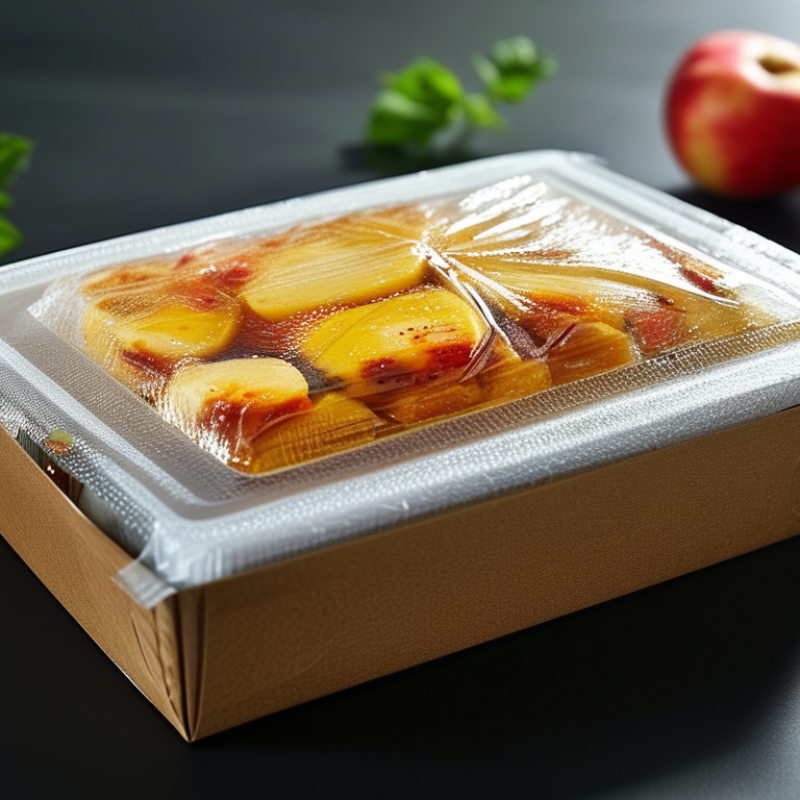
Why is Barrier Property Essential in Food Packaging?

The Concept of Barrier Properties in Food Packaging

Barrier properties in food packaging play a crucial role in preserving product quality. These properties are primarily concerned with preventing gas, moisture, and light from entering or escaping the packaging. Research shows that effective barrier materials can extend the shelf life of products by up to 50%, significantly reducing food waste.

In the packaging industry, materials such as polyethylene, polypropylene, and various laminates are commonly used for their inherent barrier characteristics. According to a 2021 industry report, packages with advanced barrier technology can retain flavor and nutritional content for longer periods. For instance, a well-designed multi-layer film can reduce oxygen transmission rates by about 90%. This is essential for packed goods like meats, dairy, and baked goods, which require protection from spoilage.

Despite technological advancements, challenges remain. Not all barrier solutions are suitable for every food product. Moreover, sustainability concerns are growing. Many traditional barrier materials are not biodegradable. This raises important questions about balancing performance and environmental impact. Ongoing innovations must ensure that packaging does not only protect food but also aligns with ecological goals.

Types of Barrier Properties and Their Functions

Barrier properties in food packaging play a crucial role in maintaining product quality. These properties help protect food from moisture, gases, and light. According to a report by Smithers Pira, around 25% of food waste occurs due to inadequate packaging. Therefore, understanding the types of barrier properties is essential for manufacturers.

There are several key types of barrier properties. Oxygen barriers prevent oxidation, which can lead to spoilage. High oxygen permeability can be detrimental to shelf life. Moisture barriers control the ingress of water vapor, which may compromise texture and flavor. A study published in the journal "Food Packaging and Shelf Life" indicated that products with enhanced moisture barriers showed an extended shelf life by up to 50%.

Light barriers are also significant. They prevent photodegradation, which can alter flavor and nutritional value. UV light can lead to serious quality issues. While many materials exist to address these challenges, not all are foolproof. The quest for the optimal barrier material continues to raise questions about sustainability and efficiency. In the end, the food packaging industry must constantly evolve to meet consumer demands and environmental standards.

Impact of Barrier Properties on Food Shelf Life

Barrier properties in food packaging play a crucial role in determining food shelf life. According to the Institute of Food Technologists, a key factor in food spoilage is the transmission of gases, moisture, and light. For instance, oxygen permeation can lead to oxidation, compromising the flavor and nutritional value of food. Research indicates that food products stored in packaging with low oxygen permeability can have shelf lives extended by up to 50% compared to those with conventional packaging.

Moisture control is equally significant. High moisture levels can lead to microbial growth, resulting in spoilage. Packaging materials with effective moisture barrier properties can reduce water vapor transmission and keep food fresher for longer. The Consumer Reports noted that packaged foods with adequate moisture barriers showed a remarkable improvement in sensory quality and user satisfaction. For instance, snack foods packed in moisture-resistant materials retained their crunchiness, illustrating the importance of barrier technology.

Despite advancements, challenges remain in achieving optimal barrier properties. The development of biodegradable and eco-friendly materials complicates the balance between sustainability and functionality. Researchers are still exploring solutions. Nonetheless, the importance of barrier properties in food packaging cannot be overstated. They are a vital factor in extending shelf life and ensuring food safety.

Challenges in Achieving Optimal Barrier Properties

Achieving optimal barrier properties in food packaging presents numerous challenges. One significant issue is the selection of materials that can effectively protect food from moisture, oxygen, and light. Each type of food has unique needs. For instance, moisture-sensitive items require materials that prevent water vapor transmission.

Another hurdle is the compatibility of barrier materials with the food itself. Some substances may react negatively, affecting taste or safety. This compatibility is crucial for maintaining food quality. The recycling of packaging materials can also pose a challenge, as it sometimes compromises barrier efficacy.

**Tips:** Consider using multilayer packaging. Combining different materials can enhance barrier performance. Evaluate the environmental impact of your choices. Always think about sustainability.

Quality control is essential during manufacturing. Small inconsistencies in the packaging process can lead to weak barriers. Always test your packaging under real conditions to identify potential failures early on. This proactive approach can save resources and improve product safety.

Why is Barrier Property Essential in Food Packaging?

The chart above illustrates the effectiveness of various barrier properties essential for food packaging. A higher percentage indicates better performance in preserving food quality by preventing the ingress of unwanted elements.

Future Trends in Barrier Technology for Food Packaging

Barrier technology in food packaging is rapidly evolving. This evolution focuses on enhancing the durability and functionality of packaging materials. Innovations in materials science are leading to the creation of new barriers that can effectively block moisture, gases, and light. These factors are critical for preserving food quality and extending shelf life.

New approaches involve biodegradable options that challenge traditional plastics. Researchers are exploring plant-based materials and coatings that offer similar barrier properties without environmental downsides. These new materials are not only sustainable but also provide effective protection against contamination. Such advances reflect a growing commitment to both food safety and environmental health.

There are still challenges to overcome. For instance, the balance between barrier effectiveness and cost is a persistent issue. Additionally, the extensive testing required can slow down the adoption of new technologies. The industry must continue to innovate, finding solutions that meet consumer demands while remaining economically viable. As we move forward, the importance of barrier properties will only increase in the quest for efficient food preservation.

FAQS

: What are barrier properties in food packaging?

: Barrier properties prevent gas, moisture, and light from entering or escaping packaging, preserving product quality.

How can barrier properties extend food shelf life?

Effective barrier materials can extend shelf life by up to 50%, reducing food waste significantly.

What materials are commonly used for barrier characteristics?

Materials like polyethylene, polypropylene, and laminates are used for their effective barrier properties.

Why is compatibility important in barrier materials?

Some materials may negatively react with food, affecting taste or safety, which is crucial for quality.

What are the sustainability concerns with traditional barrier materials?

Many traditional materials are not biodegradable, raising questions about their environmental impact.

How can multilayer packaging enhance barrier performance?

Combining different materials in multilayer packaging can improve protection against light and moisture.

What role does quality control play in barrier packaging?

Quality control is essential to prevent inconsistencies that can weaken barrier properties.

What future trends are emerging in barrier technology?

Innovations focus on sustainable, biodegradable materials that maintain effective barrier properties for food safety.

What challenges do new barrier technologies face?

Balancing effectiveness and cost, along with extensive testing, may slow down new technology adoption.

How does testing impact barrier packaging?

Testing under real conditions helps identify weaknesses early, improving resource use and product safety.

Conclusion

Barrier properties are crucial in food packaging as they play a significant role in preserving food quality and extending shelf life. These properties can be categorized into several types, including moisture, gas, and light barriers, each serving unique functions to protect food from environmental factors that cause spoilage. Understanding why does food packaging need barrier properties helps in addressing both consumer safety and production efficiency.

However, achieving optimal barrier properties presents challenges such as material selection and production techniques. As technology advances, future trends in barrier technology are likely to focus on developing innovative materials and strategies that enhance protection while being environmentally friendly. Ultimately, enhancing barrier properties in food packaging is essential for maintaining freshness, safety, and sustainability in the food industry.

Isabella

Isabella

Isabella is a dedicated marketing professional with a sharp focus on driving brand growth and engagement through strategic content creation. With an extensive background in digital marketing, she combines her passion for storytelling with her keen understanding of industry trends to deliver......